As demonstrations enter their 100th day, the rights body has warned that continued delays in resolving the crisis could further fuel public frustration, mistrust and instability….reports Asian Lite News Desk
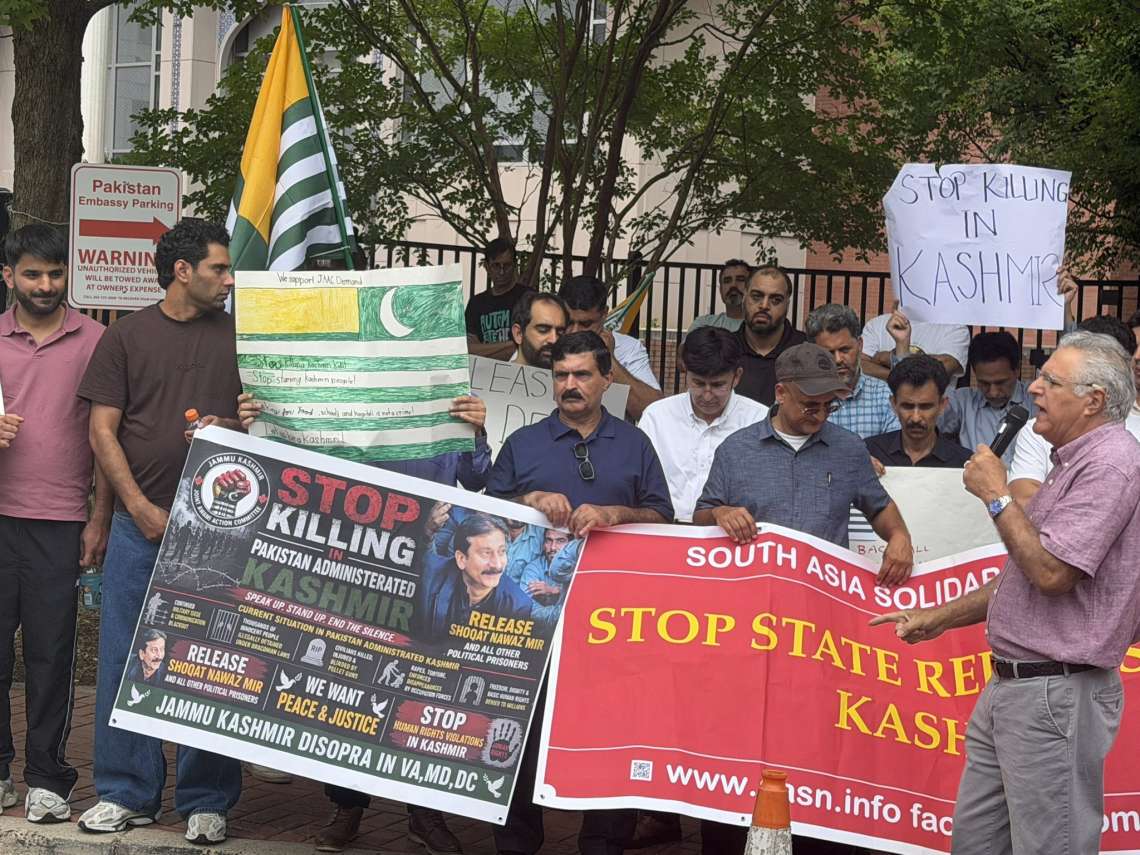
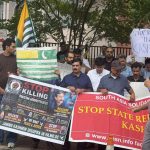
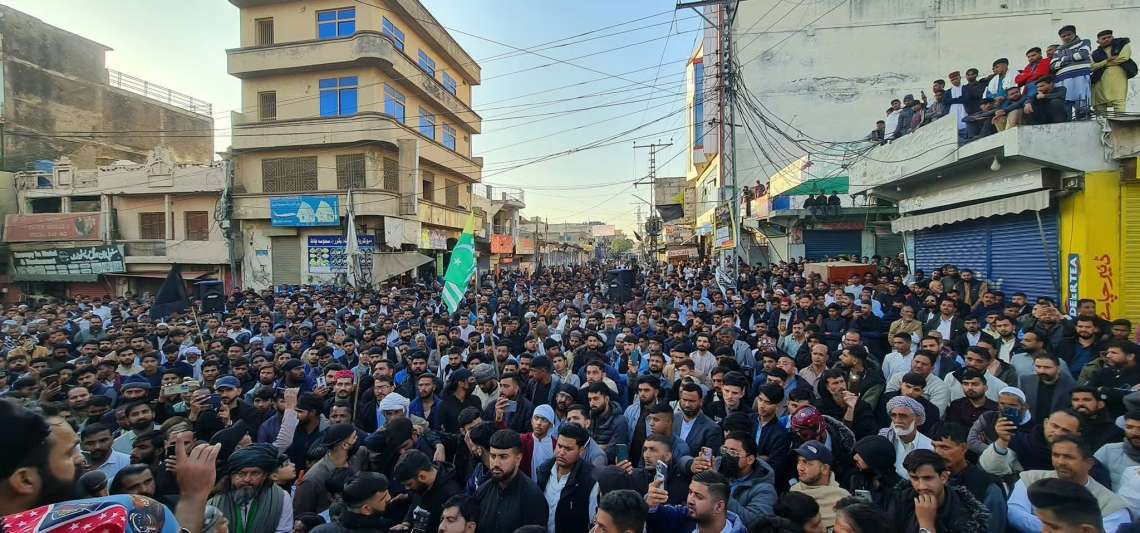
The Human Rights Council of PoJK (HRC-PoJK) has expressed serious concern over the prolonged protests and unrest in Pakistan-occupied Jammu and Kashmir (PoJK), particularly in Rawalakot and the districts of Poonch and Sudhnooti, as demonstrations entered their 100th day.
The rights body said the prolonged protests had created an atmosphere of uncertainty and were having a wider impact across PoJK. It stressed that “one hundred days are enough” and warned that further delays in meaningful dialogue could deepen public frustration, mistrust and instability.
The HRC-PoJK urged the government and all concerned stakeholders to immediately initiate sincere and result-oriented dialogue while exercising restraint and pursuing a peaceful and democratic resolution to the situation.
The council questioned how much longer people would have to live amid uncertainty and unrest, stressing that the time for dialogue had arrived. It said all sides should prioritise a peaceful, dignified and sustainable resolution.
In a separate statement, the rights body also expressed concern over the arrest of Javed Arif Abbasi, a member of the District Council in Bagh.
The HRC-PoJK said raising one’s voice for public rights through peaceful means was a fundamental democratic right. It maintained that if there were clear legal charges against Abbasi, the matter should be dealt with through a transparent legal process. Otherwise, it called for his immediate release.
The council further said differences of opinion should be addressed through dialogue and the rule of law rather than through arrests and pressure.
The Human Rights Council of PoJK describes itself as an independent, non-governmental and non-profit organisation working to protect human dignity, promote justice and strengthen accountability. It documents human rights concerns, advocates access to justice, highlights the concerns of affected communities and engages with institutions through peaceful, lawful and democratic means.