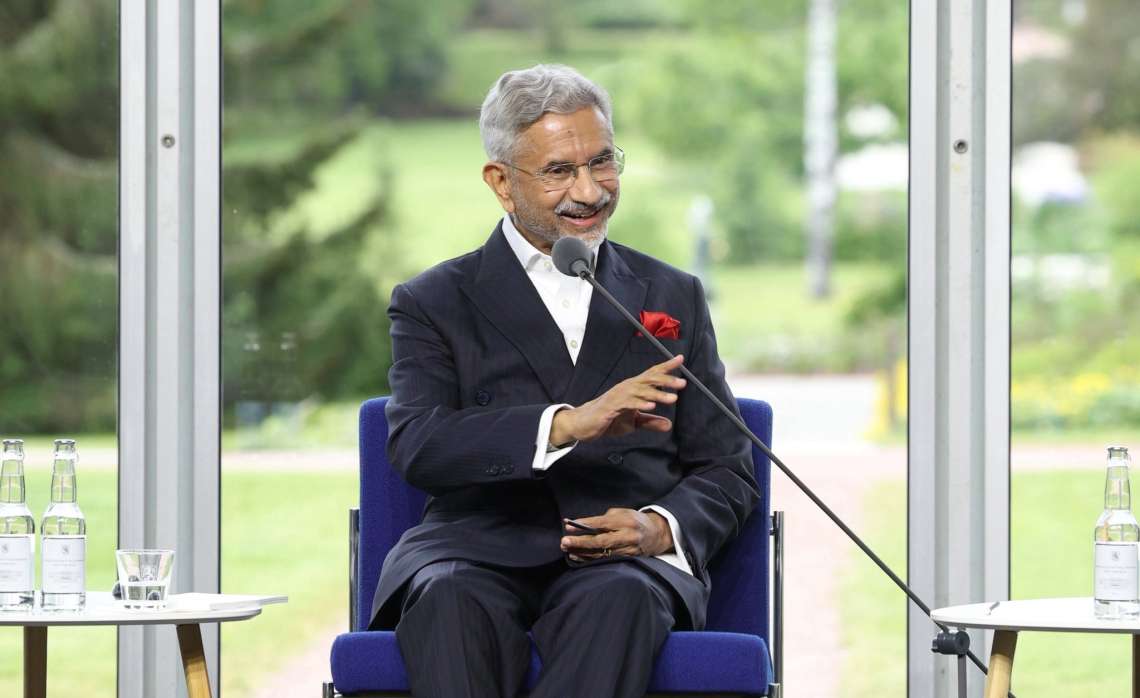
Jaishankar hits back at Western criticism, defends India’s Russian oil purchases, and calls out Europe’s “double standards” on arms, energy, and global security politics, reports Asian Lite News Desk
India’s External Affairs Minister S. Jaishankar has mounted a sharp defence of New Delhi’s position on the Russia-Ukraine conflict, pushing back against Western criticism over its continued purchase of Russian oil.
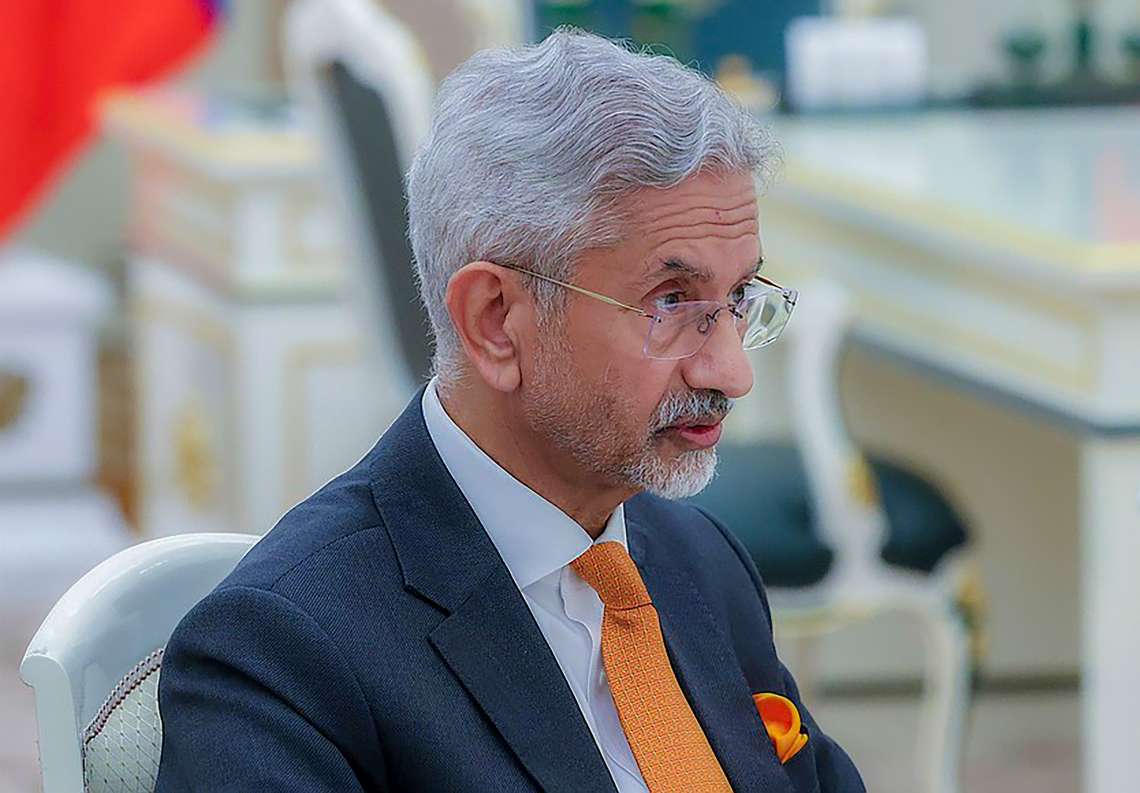
Speaking at the Kultaranta Talks in Finland during a session on ‘Emerging Powers and the New Geopolitical Competition’, Jaishankar addressed accusations that India has been “too sympathetic to Russia” and overly reliant on Russian crude.
Responding to a question from a journalist, the minister outlined India’s approach as a pragmatic one driven by economic necessity rather than political alignment.
“I’ll make two observations. I buy oil based on cost and availability. So at that point of time, much of the oil available in the market was Russian because Europeans were essentially buying oil from the Middle East, which was our traditional supplier. So circumstances pushed us in a certain direction,” Jaishankar stated.
He argued that global energy market shifts following Western sanctions on Moscow had limited India’s options, forcing it to adapt to changing supply dynamics.
In a pointed remark aimed at European critics, Jaishankar highlighted what he described as longstanding inconsistencies in Western positions on global security.
“No European country has been attacked with Indian weapons. I wish I could say that for Europe weapons vis-a-vis India,” he said.
When pressed further, the minister made his position explicit, referencing India’s concerns over arms flows in its neighbourhood.
“Europe sells weapons, which are used to attack India. Not just now but for many years. We Indians have never done anything to endanger Europe. I think that’s a reasonable point,” Jaishankar emphasised.
The comments form part of a broader pattern in India’s diplomatic messaging, which has sought to underline its strategic autonomy amid intensifying geopolitical rivalries.
Jaishankar also recalled that the United States had, at the outset of the Ukraine conflict in 2022, acknowledged India’s role in stabilising global energy markets. He noted that Washington had encouraged New Delhi to continue purchasing Russian oil to prevent sharp price increases and inflationary shocks worldwide.
“At that time, the US directly asked India to buy Russian oil to stabilise the oil market. We buy oil based on cost and availability,” he said.
The minister further questioned what he characterised as a selective application of moral standards in global energy and trade policies, suggesting that Western nations had themselves taken pragmatic decisions when faced with economic pressures.