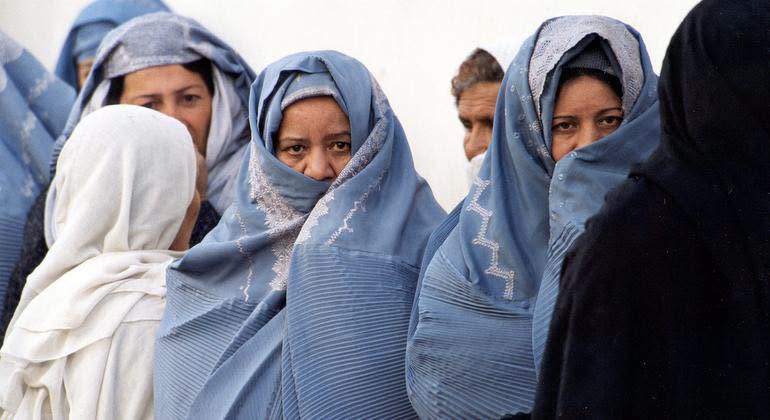
The initiative seeks to create income-generating opportunities for women, improve household livelihoods and support women-led economic activity in a challenging socio-economic environment.
The European Union has announced a €10 million allocation to launch the second phase of its Women’s Economic Empowerment through Local Enterprise Development (WE-LEAD) programme in Afghanistan, aimed at strengthening women’s livelihoods and expanding their participation in the economy, according to a report by Tolo News.
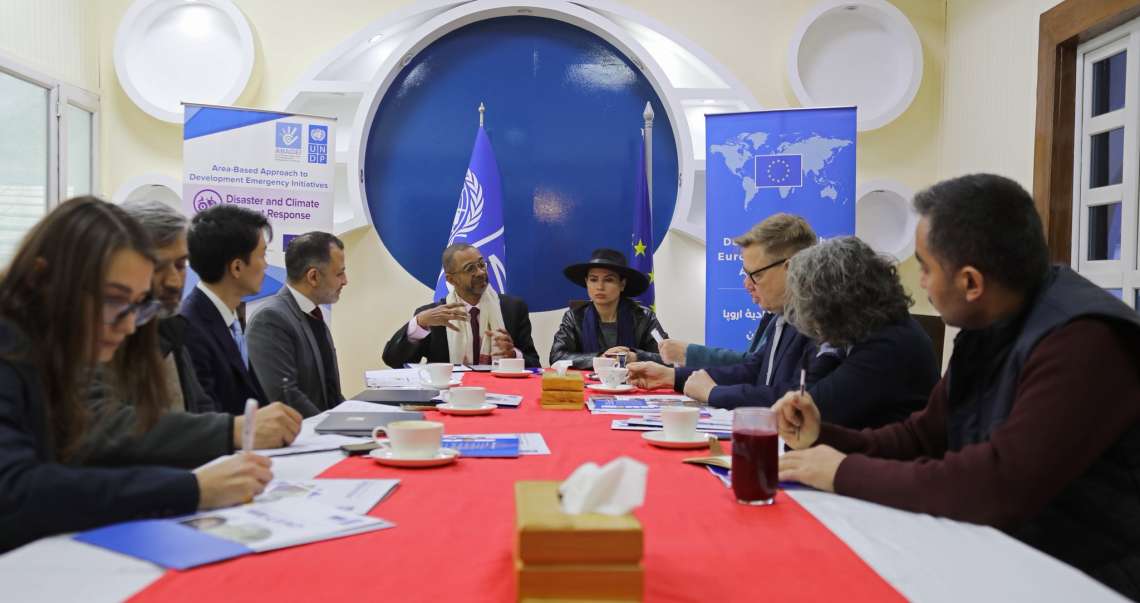
Citing the EU, Tolo News reported that the new phase will be implemented in partnership with the United Nations Development Programme (UNDP) and local Afghan institutions. The initiative seeks to create income-generating opportunities for women, improve household livelihoods and support women-led economic activity in a challenging socio-economic environment.
In a statement issued on January 22, the European External Action Service (EEAS) said WE-LEAD Phase II builds on the outcomes and lessons of the programme’s first phase, as well as UNDP’s Area-Based Approach for Development Emergency Initiatives (ABADEI). The second phase is designed to scale up successful interventions while adapting to Afghanistan’s evolving social and economic context.
According to the EEAS, the programme will support women at different stages of economic activity — ranging from informal savings groups to micro, small and medium-sized enterprises. This support will be delivered through a mix of financial and non-financial services tailored to local conditions. These include access to finance, skills development, mentorship, business development services and improved market linkages.

With a total budget of €10 million, WE-LEAD II focuses on addressing key barriers that restrict women’s economic participation, particularly limited access to capital, markets, skills and stable income opportunities. The EU said the programme will promote culturally appropriate and Sharia-compliant financial mechanisms, ensuring that economic support aligns with local norms while remaining inclusive and effective.
The initiative will be rolled out in selected underserved provinces in the Central and Central Highlands regions of Afghanistan. These areas are characterised by low levels of women’s labour force participation and limited access to formal financial services. By prioritising such regions, the programme aims to reach women who are often excluded from conventional development assistance.
The EEAS noted that implementation will rely on community-based platforms and local market systems to ensure safe, inclusive and sustainable engagement for women entrepreneurs. This approach is intended to reduce risks, strengthen local ownership and enhance the long-term viability of women-led enterprises.
Commenting on the initiative, Fariba Noori, head of the Women’s Chamber of Commerce and Industry, welcomed donor support for women’s capacity-building. “Donor institutions supporting women, especially those newly entering business, are extremely helpful,” she said, according to Tolo News. Noori added that women who are sole breadwinners could benefit significantly from targeted assistance, noting that 30–40 per cent support in cash or equipment could make a meaningful difference to household incomes.
The EU also confirmed that it has signed a formal agreement with UNDP to implement WE-LEAD Phase II across several underprivileged provinces in Afghanistan, Tolo News reported.