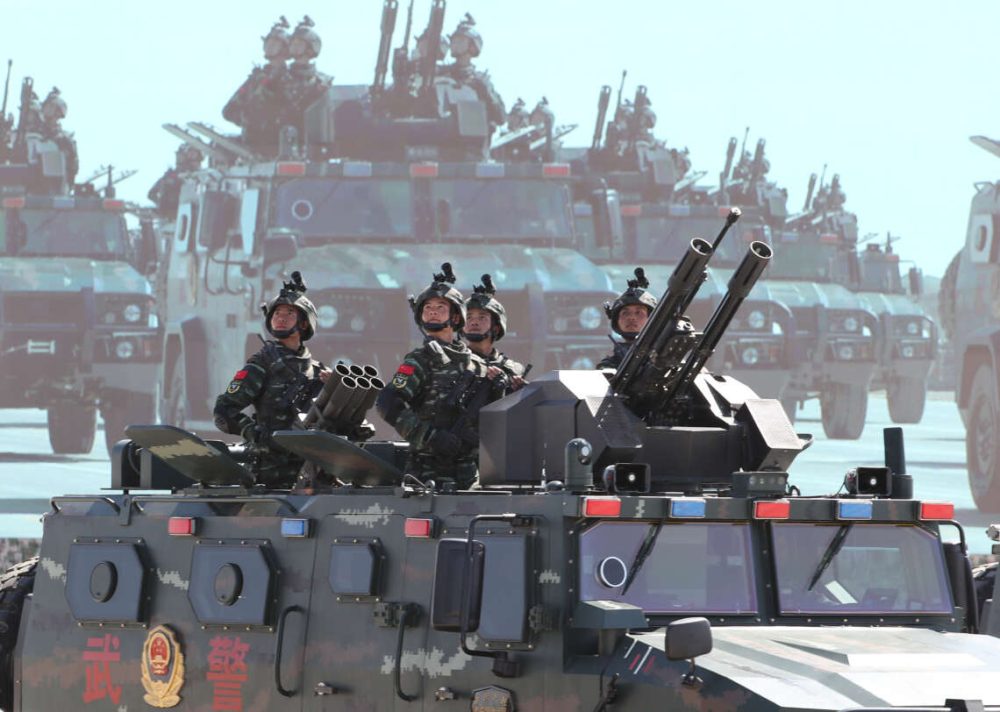
The East Turkistan Government-in-Exile has criticised recent China-Turkey diplomatic consultations, alleging that closer security cooperation is enabling Beijing to intensify repression in Xinjiang….reports Asian Lite News Desk
The East Turkistan Government-in-Exile (ETGE) has strongly criticised recent diplomatic consultations between China and Turkey, alleging that deepening ties between the two countries are enabling Beijing to strengthen its policies in Xinjiang, which the exiled body refers to as East Turkistan.
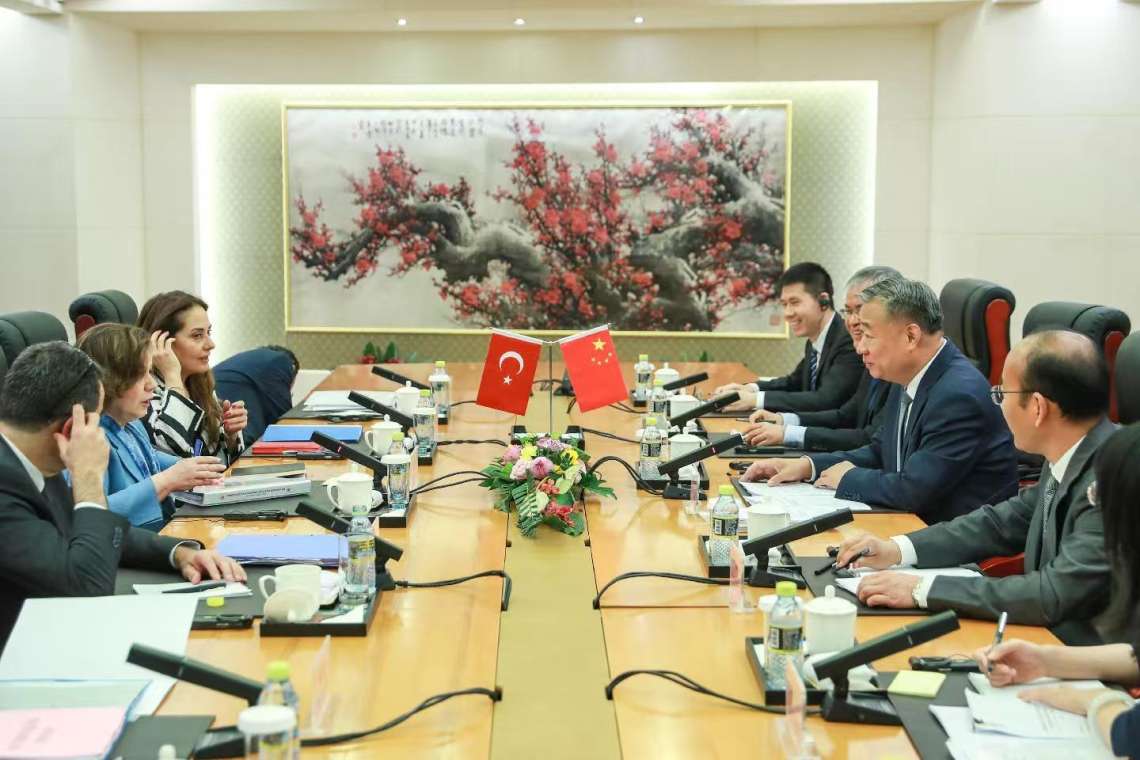
The statement followed political consultations held in Beijing on July 16 between Chinese Vice Foreign Minister Miao Deyu and Turkish Deputy Foreign Minister Berris Ekinci, during which both sides discussed expanding bilateral cooperation.
According to China’s Foreign Ministry, the talks focused on strengthening cooperation in areas including law enforcement and security. Beijing said Turkey reaffirmed its commitment to the “one-China principle” and pledged that Turkish territory would not be used against China’s “sovereignty, security and territorial integrity.”
Responding to the meeting, the ETGE accused Ankara of abandoning Uyghurs and other Turkic communities living in Xinjiang.
“This is the latest chapter in a decades-long betrayal of the Uyghur, Kazakh, Kyrgyz, and other Turkic peoples suffering under China’s genocide and colonial occupation of East Turkistan,” the organisation said in a statement.
The exiled government rejected Turkey’s position on Xinjiang, saying Ankara’s characterisation of the region represented “a grotesque inversion of the truth” and maintaining that East Turkistan is “an occupied country.”
Describing the growing relationship between Ankara and Beijing as “complicity” rather than diplomacy, the ETGE alleged that Turkey had assisted China in suppressing the East Turkistan independence movement.
“This is not diplomacy. This is complicity,” the statement said.
“For nearly three decades, Turkey has helped Beijing monitor, infiltrate, co-opt, criminalise, and suppress East Turkistan’s national independence movement. This collaboration has enabled Beijing to intensify its colonial occupation and genocide with impunity.”
ETGE Foreign Minister Salih Hudayar said he had previously urged Turkish Deputy Foreign Minister Levent Gumrukçu to support the people of East Turkistan and take a stand against what he described as China’s policies in the region.
“Instead, Ankara continues deepening cooperation with a genocidal empire bent on eradicating Turkic culture, identity, and existence in East Turkistan,” Hudayar said.
The ETGE further alleged that Turkey’s cooperation had enabled Beijing to extend its influence beyond China’s borders by targeting members of the East Turkistani diaspora.
“It allows China to co-opt diaspora organisations, coerce East Turkistani refugees, and suppress East Turkistan’s national independence movement globally. By helping Beijing silence resistance abroad, Ankara pushes East Turkistan toward irreversible demographic, cultural, and national destruction,” the organisation said.
Calling for international action, the ETGE urged governments and international organisations to condemn what it described as Turkey’s complicity in China’s policies, take concrete steps to end the “ongoing genocide”, and support what it called the decolonisation of East Turkistan and the restoration of its national independence in accordance with the principle of self-determination.
China has consistently rejected allegations of genocide and other human rights abuses in Xinjiang. Beijing maintains that its policies in the region are aimed at combating terrorism, separatism and religious extremism while promoting economic development and social stability. Turkey has also publicly supported the one-China policy while maintaining diplomatic and economic ties with Beijing.