European leaders are beginning preliminary discussions on a shared nuclear deterrent as concerns grow about the long-term reliability of US security guarantees…reports Asian Lite News
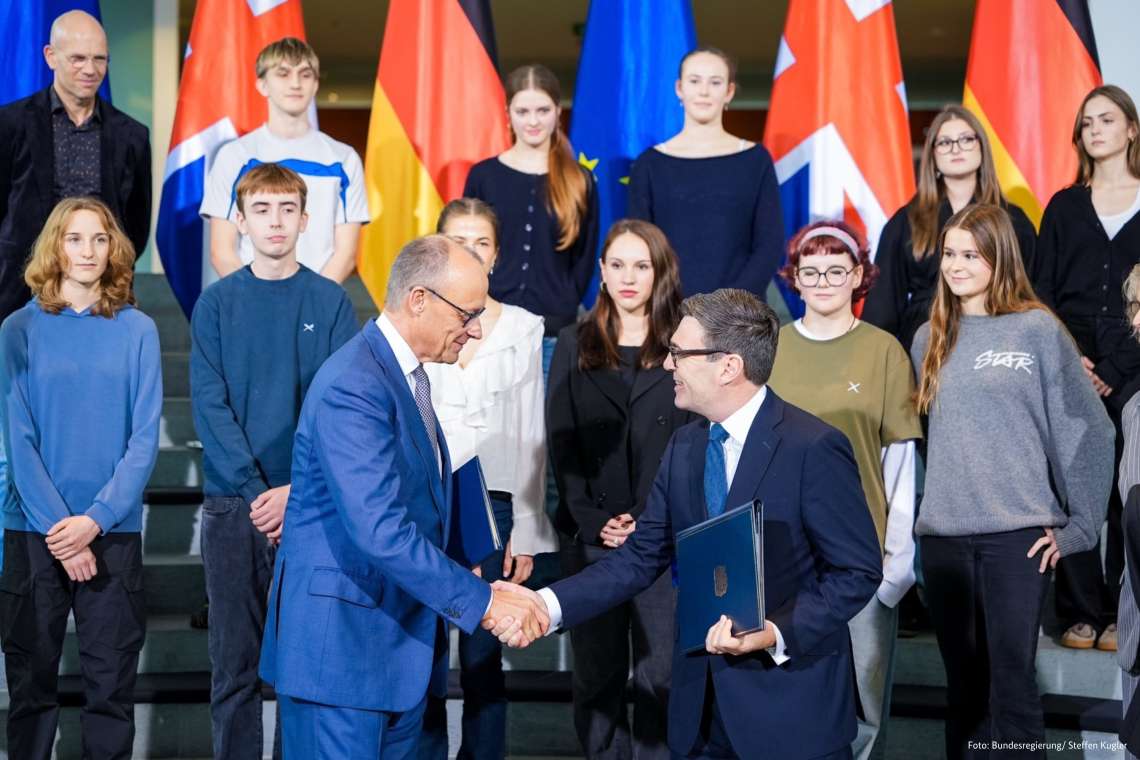
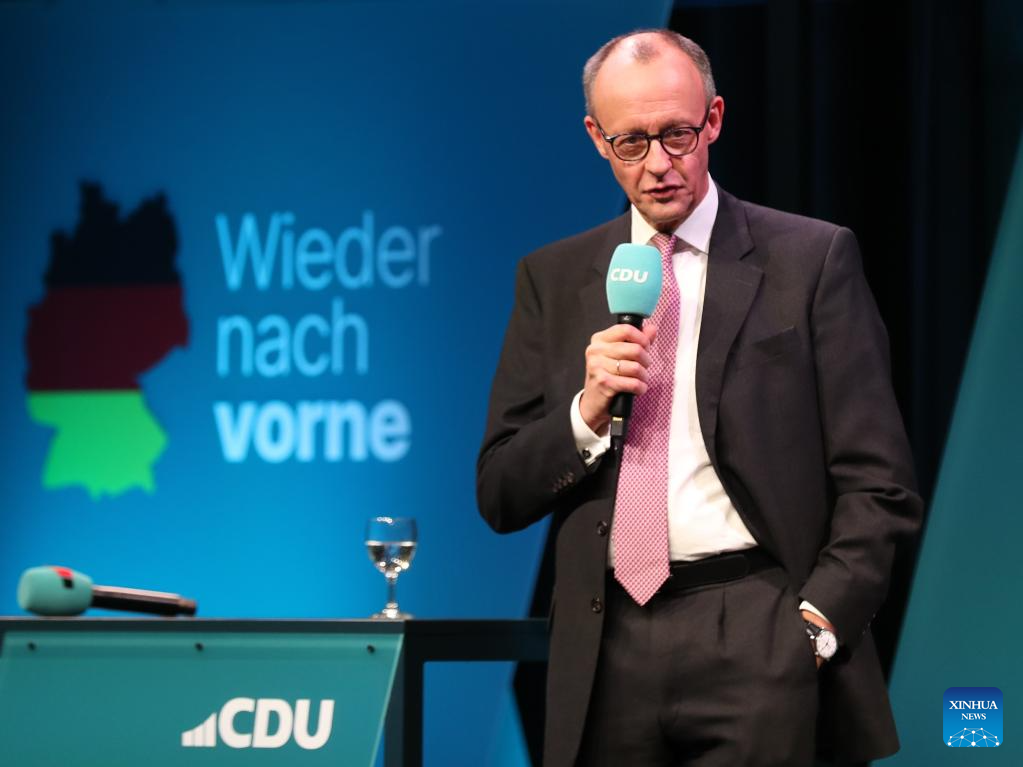
European nations are starting to discuss ideas around a shared nuclear umbrella to complement existing security arrangements with the United States, German Chancellor Friedrich Merz said, amid growing talk in Germany of developing its own nuclear defences. His remarks come as transatlantic relations face renewed strain and as European governments reassess their security strategies in response to shifting US priorities.
Merz said the discussions were still at an early stage and should not be interpreted as signalling an imminent change in policy. Speaking against a backdrop of uncertainty about Washington’s long-term commitment to European security, he said the talks were focused on strategic questions rather than concrete plans.
“We know that we have to reach a number of strategic and military policy decisions, but at the moment, the time is not ripe,” he told reporters on Thursday.
Germany is prohibited from developing nuclear weapons under the so-called Four Plus Two agreement that paved the way for reunification in 1990, as well as under the nuclear non-proliferation treaty it signed in 1969. These commitments have long formed the legal basis of Germany’s stance against possessing its own nuclear arsenal, even as it participates in NATO’s nuclear-sharing arrangements.
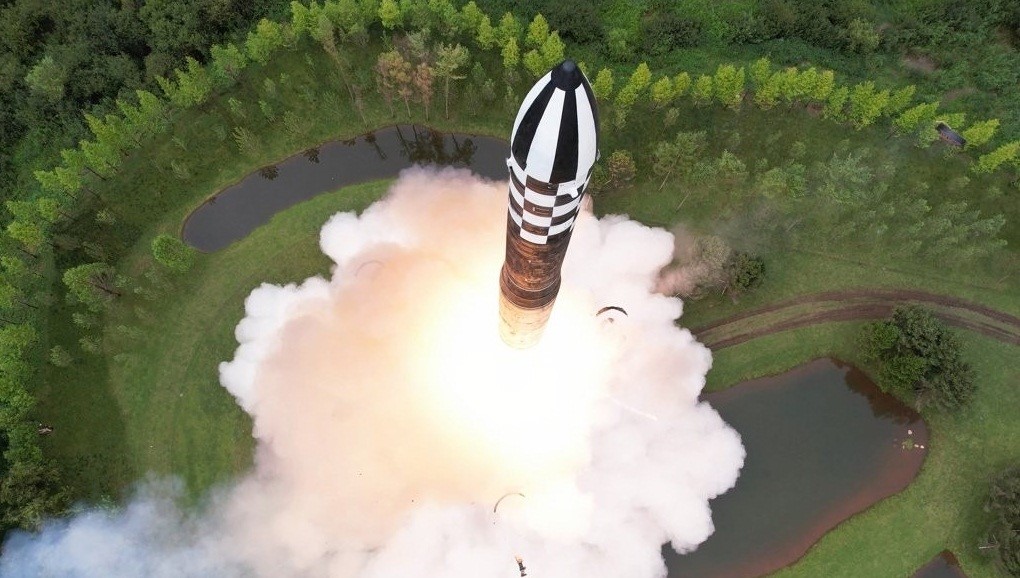
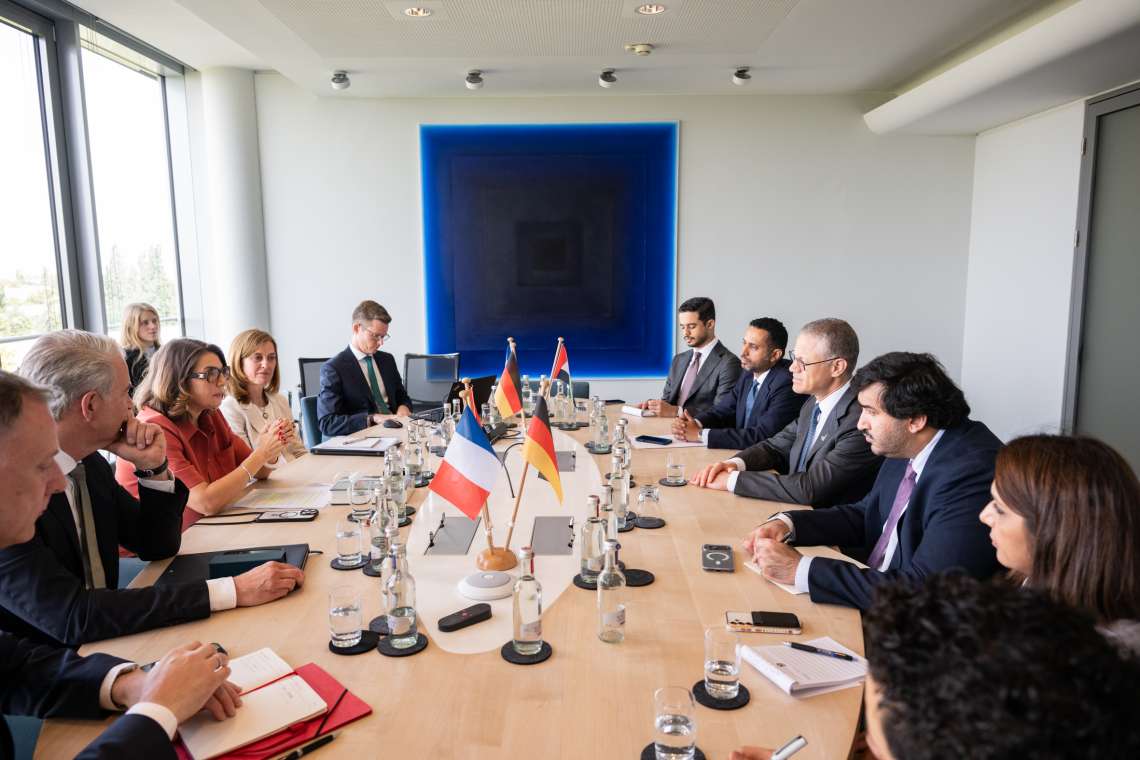
Merz said these treaty obligations did not prevent Germany from engaging in discussions with partners about joint solutions. He pointed in particular to Britain and France, the only two European countries that currently possess nuclear weapons.
“These talks are taking place. They are also not in conflict with nuclear-sharing with the United States of America,” he said.
European countries have traditionally relied on the United States for security, including the protection offered by its nuclear forces. However, defence spending across the continent has risen sharply in recent years, driven in part by pressure from Washington and by fears about instability on Europe’s borders.
Tensions have increased under President Donald Trump, who has questioned long-standing alliances and demanded that European countries shoulder a greater share of defence costs. His administration has also unsettled allies through statements about acquiring Greenland from Denmark, a NATO member, and through threats, later withdrawn, to impose tariffs on countries that resisted US demands.
Trump has repeatedly suggested that the United States might not defend allies that fail to meet spending targets, raising doubts in European capitals about the durability of American security guarantees. These concerns have fed into a broader debate about whether Europe should develop more autonomous defence capabilities, including in the nuclear sphere.
Merz’s comments were echoed by Thomas Roewekamp, head of the parliamentary defence committee, who said Germany had technical capacities that could be used in developing a European nuclear weapon. He stressed that Germany lacked key components but could contribute expertise to a collective effort.
“We do not have missiles or warheads, but we do have a significant technological advantage that we could contribute to a joint European initiative,” Roewekamp, from Merz’s centre-right Christian Democratic Union party, told Germany’s Welt TV.
The idea of a shared European nuclear deterrent has surfaced periodically in policy debates, particularly in France, where some leaders have argued that Europe should be less dependent on the United States. Critics argue that such moves risk undermining global non-proliferation efforts and could deepen divisions within NATO.
For now, Merz sought to play down expectations, emphasising that the discussions were exploratory and intended to complement, rather than replace, existing security arrangements. But his remarks underline how questions once considered politically taboo in Germany are now being openly debated as Europe confronts a more uncertain security environment.