
An MOD-run residential home in Devon is marking eight decades since the Polish Resettlement Act, which guaranteed sanctuary to Polish veterans who fought under British command in the Second World War…reports Asian Lite News
As the 80th anniversary of the Polish Resettlement Act 1947 approaches, Ilford Park Polish Home in Devon stands as a reminder of Britain’s long-standing commitment to Polish servicemen and women who fought alongside British forces during the Second World War.
After the war, many Polish troops were unable to return home. Political changes in eastern Europe meant Poland fell under Soviet influence, and some veterans faced the risk of persecution or exclusion. In response, the British Government created a pathway for those who had served under British command to remain in the UK.
In 1946, the Polish Resettlement Corps was formed as part of the British Army, allowing Polish personnel to continue serving during demobilisation and to prepare for civilian life. A year later, the Polish Resettlement Act 1947 formalised this commitment in law. It was the first immigration legislation passed by Parliament and treated Poles as a special category in recognition of their wartime contribution.
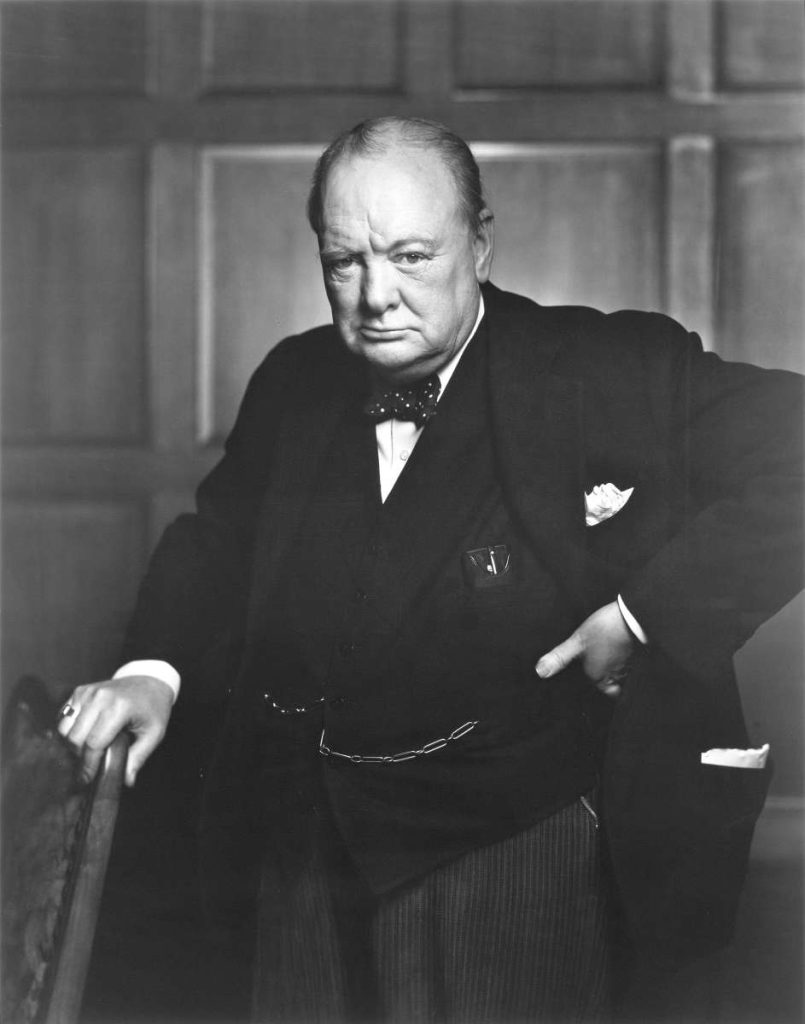
Winston Churchill described the policy in the House of Commons, saying: “Her Majesty’s Government will never forget the debt they owe to the Polish troops who have served them so valiantly and for all those who have fought under our command.”
Across Britain, 45 resettlement camps were created to house Polish veterans and their families. One of these was Stover Camp in Devon, which opened in 1948 on the site of a former military hospital built for anticipated American casualties from the D-Day landings. Over time, the camp developed into Ilford Park Polish Home, gradually shifting from a temporary resettlement centre into a permanent residential and nursing home. In 1992, following a ministerial decision, a purpose-built facility opened on the site.
Known locally as “Little Poland”, the home has maintained strong links with Polish culture and community life. More than 2,500 people and their families have lived there since it was founded. Residents mark Polish Constitution Day and Independence Day, alongside British national occasions, and Polish traditions remain central to daily life.
Today, Ilford Park is home to 40 residents with an average age of 91. Around 30% of staff are bilingual, and a Polish priest lives on site, holding daily Mass in the chapel. The home also works with organisations including the Polish Catholic Mission, the Polish Embassy, the Polish Consulate and Polish cultural groups.
Clare Thomas, the home manager, said: “We are incredibly proud of all that we do to support this unique group of people. Despite the increasing age of the people who live at Ilford Park, it remains a vibrant home, full of life where old friends reconnect, and new friendships are made.”
An internal Ministry of Defence survey recently found that all residents who responded said they felt safe and secure at the home. The MOD continues to oversee Ilford Park as part of its responsibility to those covered by the post-war resettlement scheme.
As the 80th anniversary of the Act approaches in 2027, the MOD says it remains committed to maintaining the historic pledge. Ilford Park continues to accept applications from those who meet the original criteria, including veterans who served under British command, Poles admitted to the UK because of wartime displacement, and their spouses and dependants.
For many residents, Ilford Park represents more than a care facility. It is a final chapter in a long story that began on the battlefields of Europe and ended in a quiet corner of south-west England, shaped by a promise made in the aftermath of war and still honoured decades later.