A teachers’ group in Bangladesh has condemned the installation of Muhammad Ali Jinnah’s portrait at a Dhaka University archive. …reports Asian Lite News Desk
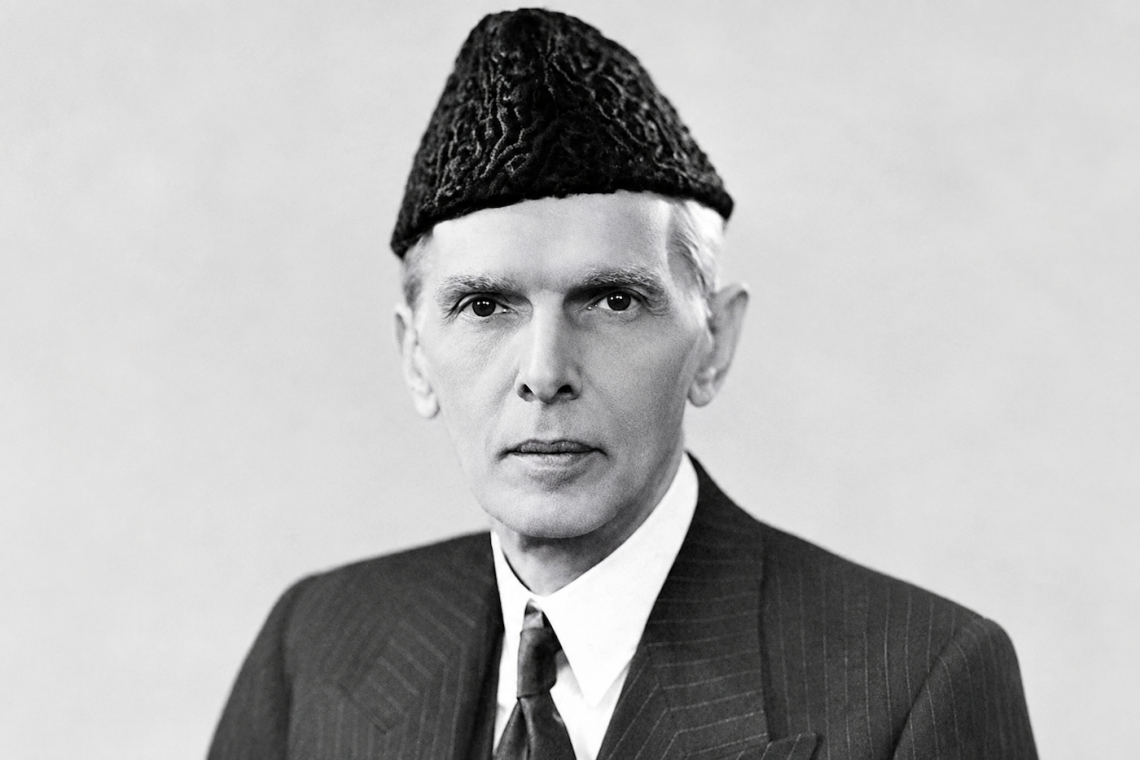
A teachers’ group in Bangladesh has condemned the installation of a portrait of Pakistan’s founder Muhammad Ali Jinnah at the Dhaka University Central Students’ Union (DUCSU) archive, along with the removal of historical photographs and documents linked to the country’s independence struggle.
The University Teachers’ Network described the changes as “unauthorised and unlawful”, saying historic material had been removed from the DUCSU photo gallery and replaced with displays including a portrait of Jinnah. The group’s claims were reported by Bangladeshi media.
The network said its representatives visited the archive after reports emerged about the changes. It alleged that photographs, including one of Sheikh Mujibur Rahman, had been removed, along with photographs and documents related to the March 25, 1971 massacre and subsequent atrocities on the Dhaka University campus.
The group said the DUCSU Museum is a protected part of Dhaka University and argued that any changes to university-protected infrastructure or museums require prior administrative approval.
“Student leaders cannot arbitrarily impose changes based on personal whims, partisan motives, or extremist religious views,” the network said in a statement.
The installation of Jinnah’s portrait has triggered a wider controversy on the Dhaka University campus. The university administration has also said it would take action over the display of photographs of Jinnah and former student leader Abdul Malek, stating that their roles conflict with the history of the Language Movement and the 1971 Liberation War.
The teachers’ network objected particularly to Jinnah’s inclusion in the archive, referring to his opposition to Bengali being recognised as a state language during the Language Movement in what was then East Pakistan.
The group also pointed to Pakistan’s lack of a formal apology for the 1971 genocide and described the portrait’s installation in a memorial dedicated to Dhaka University students’ struggles and sacrifices as “a grave insult to the Bengali nation”.
The network further criticised the removal of Sheikh Mujibur Rahman’s photograph, saying the decision came amid continuing political controversy surrounding his daughter, former Prime Minister Sheikh Hasina.
“Removing his portrait from the Ducsu museum — at a time when resentment toward his daughter, Sheikh Hasina, is being projected onto him — is not only insensitive but also a deliberate attempt to erase the true heroes from history,” the group said.
The teachers’ organisation described the changes as an attempt by what it called “certain extremist groups” to advance an anti-liberation political agenda. It said teachers and students at Dhaka University could not accept such an approach.
The controversy has also led to protests on campus. Students have torn down Jinnah’s photographs, while other students later placed photographs of Jinnah and Jamaat-e-Islami leader Ghulam Azam on the ground and stepped on them during demonstrations.
The DU administration has formed investigation committees to examine several recent developments involving DUCSU, including the display of Jinnah and Abdul Malek’s photographs at the archive.
The University Teachers’ Network called for an independent investigation separate from the university’s own inquiry. It also sought administrative and legal action against those responsible for any unauthorised alterations.
The group demanded a complete and transparent inventory of material removed from the archive and called for historic photographs and memorial items to be restored to their original locations.
The dispute comes amid continuing debates in Bangladesh over the presentation of the country’s political and historical legacy following the 2024 July-August demonstrations. The recent controversy at Dhaka University has brought renewed attention to how events surrounding the Language Movement, the 1971 Liberation War and later political developments are represented in public and educational institutions.