Qatar says Gulf states must strengthen their own defences as the Iran conflict exposes risks of relying too heavily on US military protection, reports Asian Lite News Desk
Gulf Arab states should move towards greater security self-reliance rather than depending exclusively on the United States and other international partners, Qatar’s Foreign Ministry spokesperson Majed Al Ansari said on Monday, as the continuing US-Iran conflict exposes the vulnerabilities of the region.
Speaking at the Hili Forum in Abu Dhabi, Al Ansari said the presence of international forces and Qatar’s strategic relationship with Washington remained important, but could not provide a complete security guarantee, according to AFP report.
“We need to realise in the Gulf that having international forces in the region, having a strategic alliance with the United States, is very important, but is not enough,” he said.
“Self-sufficiency when it comes to security is the only way forward. Yes, we need our partners. Yes, we need our allies. But we cannot depend on them alone for our security.”
His comments come after months of escalating confrontation between the US and Iran, with several Gulf states finding themselves increasingly exposed to the consequences of the conflict.
Qatar occupies a particularly sensitive position. It hosts Al Udeid Air Base, the largest US military installation in the Middle East, while simultaneously maintaining diplomatic channels with Tehran. Qatar has also emerged as one of the principal regional mediators seeking to prevent the conflict from escalating further.
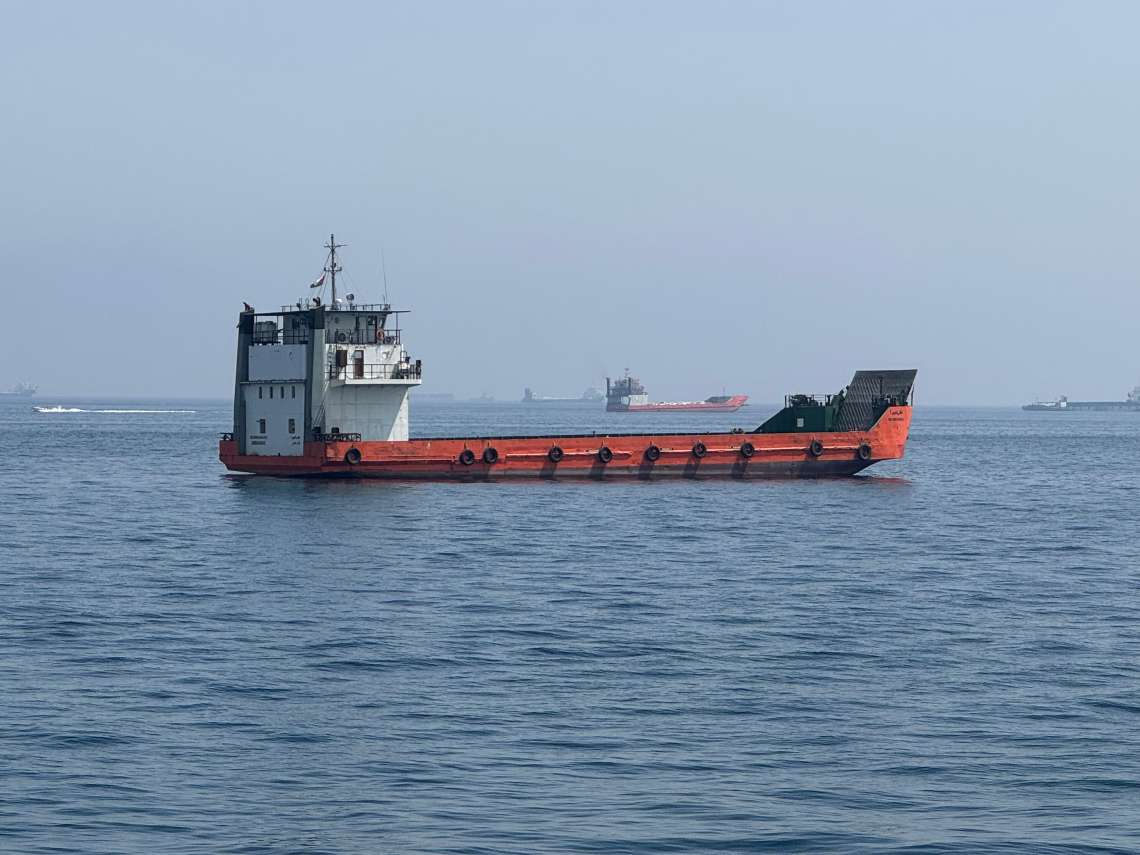
The war has also directly affected Qatar’s security and energy interests. Iranian attacks have targeted facilities and military-linked sites across the Gulf, while the disruption around the Strait of Hormuz has threatened one of the world’s most important energy shipping routes.
The latest escalation has sharply reduced commercial traffic through the strait. Reuters reported that average daily commodity-ship transits had fallen to about 10 over the past 10 days, the lowest level since May, after attacks involving US and Iranian forces and commercial vessels.
The economic consequences are significant for Qatar because of its position as a major liquefied natural gas exporter. Qatar shares the world’s largest gas field with Iran and depends heavily on maritime routes for energy exports. Industry data cited by Euronews showed Qatar had exported only 18 LNG cargoes during the previous six months, compared with 509 during the same period a year earlier.
Qatar has responded by intensifying diplomacy rather than abandoning its ties with Washington. Prime Minister and Foreign Minister Sheikh Mohammed bin Abdulrahman bin Jassim Al Thani travelled to Tehran on August 27 and met Iranian Foreign Minister Abbas Araghchi.
Their discussions included a proposed temporary joint shipping corridor through the Strait of Hormuz and a joint project to clear mines from the waterway. Doha has backed efforts by Iran and Oman to establish arrangements that could restore freedom of navigation.