Antonio Guterres calls for Afghan women to regain safe access to UN offices as restrictions enter their second year…reports Asian Lite News Desk
UN Secretary-General Antonio Guterres has urged the Taliban to immediately reverse its ban on Afghan women working for the United Nations, warning that continuing restrictions on women and girls are undermining fundamental rights and hampering the delivery of vital humanitarian assistance.
The appeal came as September 7 marked one year since Afghan women were barred from accessing UN premises in Afghanistan.
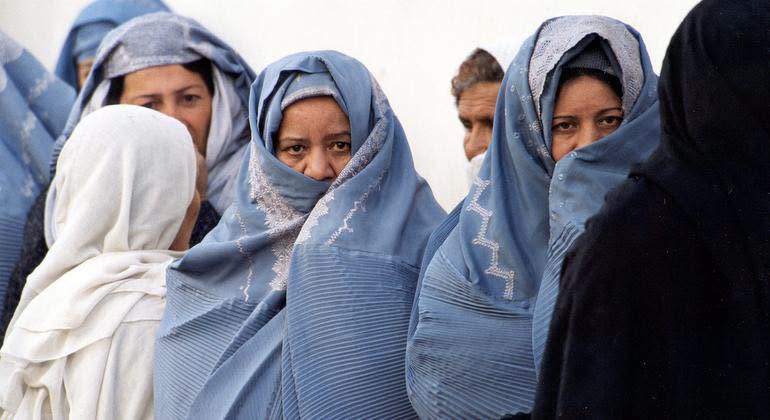
Guterres said the restrictions formed part of a wider pattern of discriminatory policies that continue to prevent Afghan women and girls from fully participating in public life, education and employment.
He said the measures were not only a violation of fundamental rights but also a major obstacle to Afghanistan’s economic development, stability and reintegration into the international community.
The UN chief called on the Taliban authorities to ensure Afghan women working for the organisation are granted safe and unhindered access to UN offices and facilities across the country.
“These restrictions are contrary to international law, including the UN Charter, and undermine the organisation’s capacity to carry out its mandate and deliver life-saving and other assistance to the Afghan people at a time when needs remain high,” Guterres said.
He stressed that allowing all UN personnel to access their workplaces was essential to reaching vulnerable communities, particularly women and girls.
“Ensuring that women can deliver humanitarian assistance and essential services to women and girls is critical to an effective and principled response,” he added.
Guterres also renewed his broader call for the Taliban to lift all restrictions imposed on Afghan women and girls and guarantee their “full, equal and meaningful participation” in every aspect of society.
The intervention follows renewed warnings from UN experts that institutionalised gender-based repression has deepened under Taliban rule.
Last month, a group of UN experts said a generation of Afghan girls had now been denied access to secondary education, warning of the long-term consequences of restrictions introduced since the Taliban returned to power.
“Five years may be a short period in the life of a country, but it is a long one in a child’s life,” the experts said.
“A generation of girls has now been denied secondary education.”
The experts described the Taliban’s policies as an intentional and targeted deprivation of fundamental rights and argued that the systematic discrimination could amount to persecution on gender grounds.
They also called for greater international recognition of “gender apartheid” as a distinct crime against humanity.
The UN experts raised further concerns over recent Taliban decrees affecting women, including rules governing court procedures and family matters, which they said could leave women and girls more vulnerable to violence, forced marriage and discrimination.
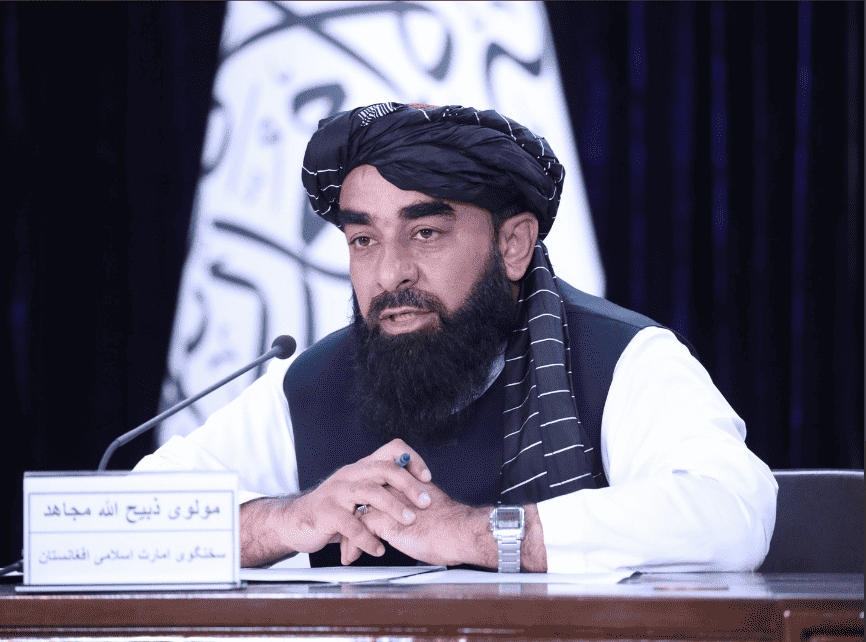
The Taliban has repeatedly defended its restrictions by saying they are consistent with its interpretation of Islamic law and Afghan cultural traditions.
However, international organisations and rights groups continue to demand the restoration of women’s access to education, employment and public life, warning that Afghanistan’s deepening isolation and humanitarian crisis cannot be separated from the continuing restrictions on half of its population.