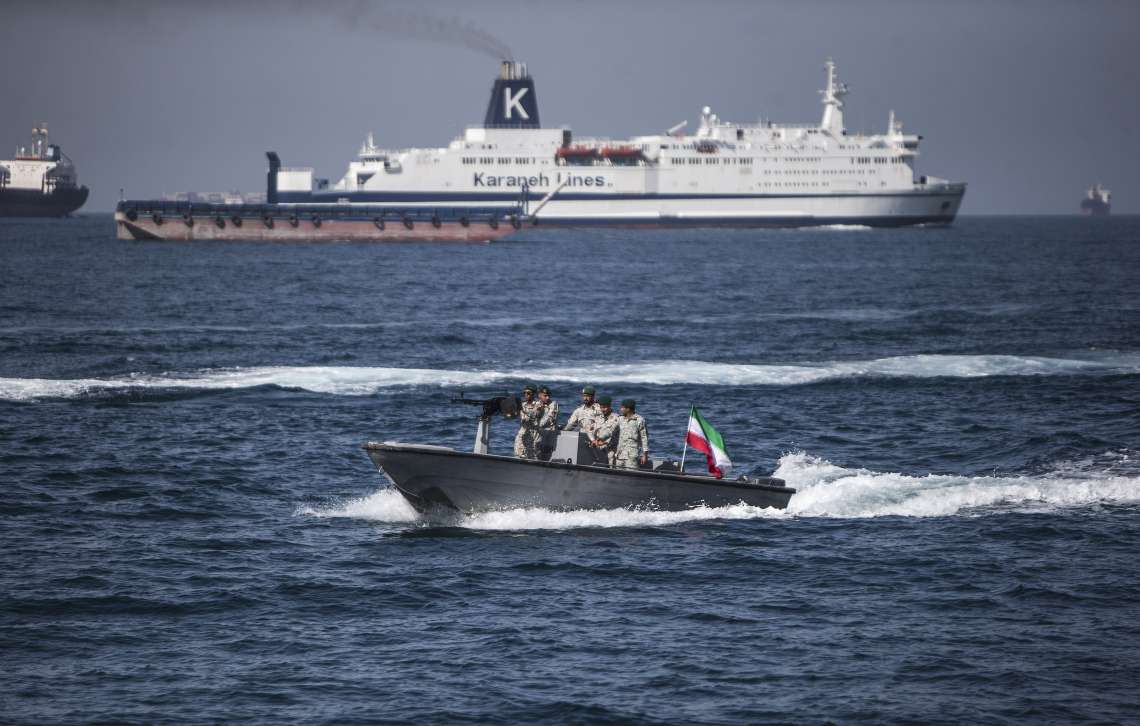
Iran proposes reopening the Strait of Hormuz within seven days and restarting nuclear talks with Washington, as conflict continues to disrupt global energy supplies…reports Arab Daily News Desk
Iran has proposed a seven-day plan to reopen the Strait of Hormuz and resume negotiations with the United States, offering a possible diplomatic route out of the nearly seven-month conflict that has disrupted one of the world’s most important energy corridors.
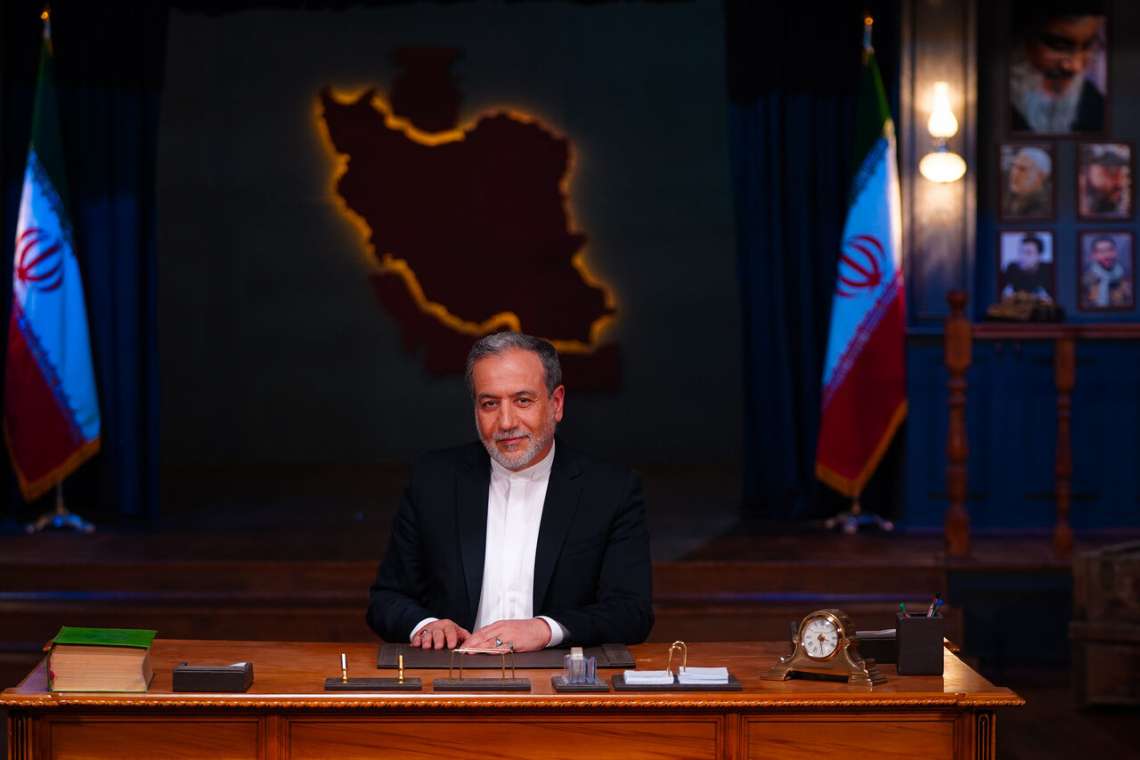
Iranian Foreign Minister Abbas Araghchi said the proposal was conveyed to US officials through intermediaries during discussions this week, according to a report by The New York Times. Under the plan, Iran would reopen the strategic waterway by the end of the seventh day if certain conditions were met, after which comprehensive talks on its nuclear programme would resume.
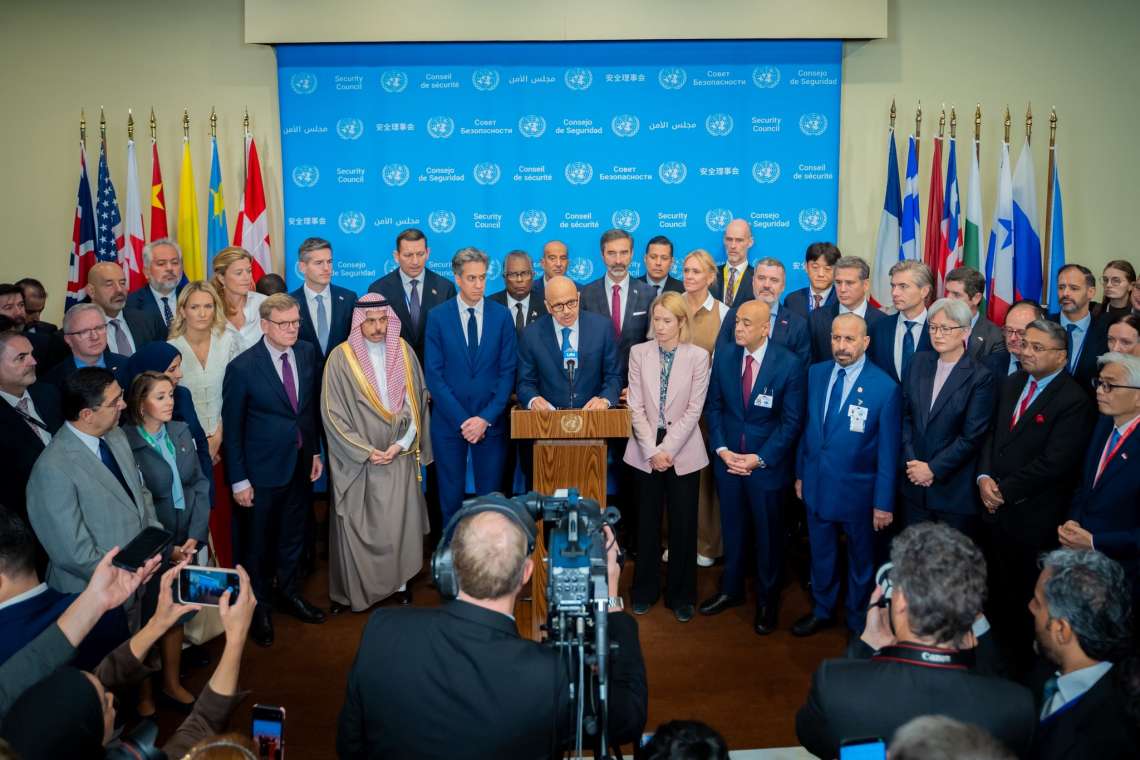
Araghchi disclosed the proposal while speaking to reporters on the sidelines of the UN General Assembly in New York. He said its terms were similar to a memorandum of understanding reached between Tehran and Washington in June.
“We have introduced a plan to the United States through the intermediators that if certain conditions are met, the Strait of Hormuz would be open on the end of the seventh day and talks would restart,” Araghchi said, according to the report.
He also indicated that Tehran would prefer an agreement before the US midterm elections in November. The White House has not publicly confirmed that it has accepted the proposal.

“We have introduced a plan to the US through the intermediators that if certain conditions are met, the Strait of Hormuz would be open on the end of the seventh day and talks would restart.”
- Abbas Araghchi, Foreign Minister, Iran
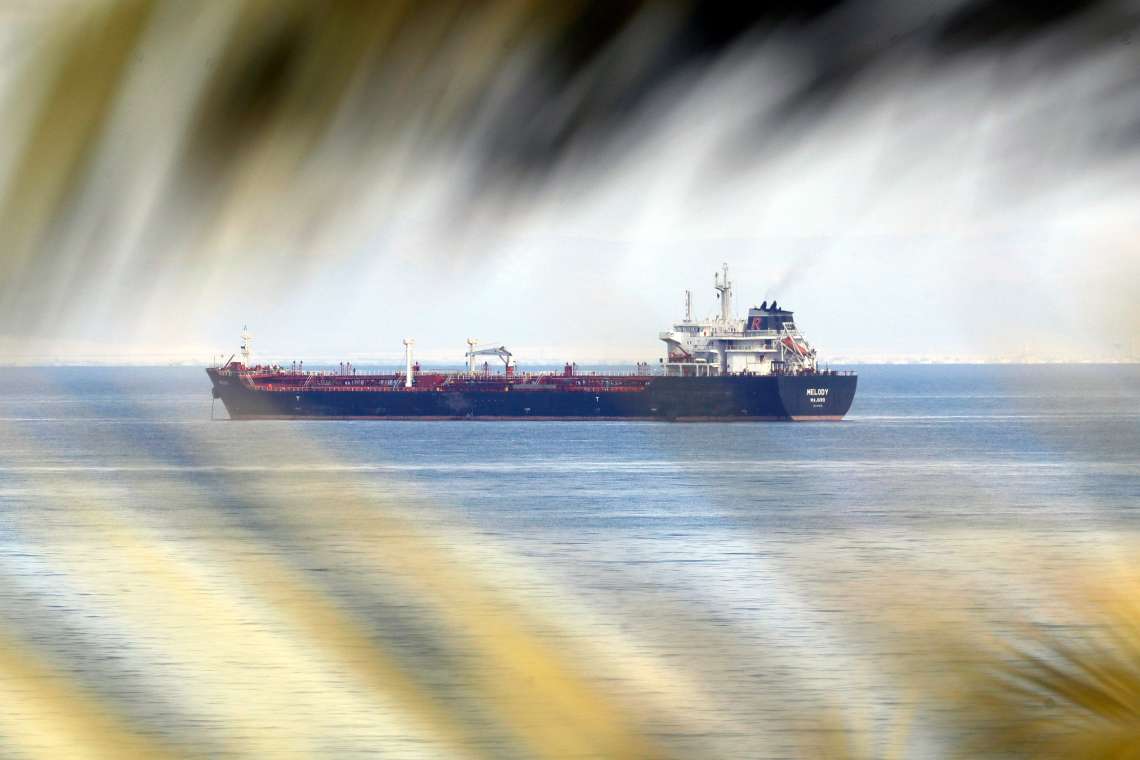
The offer comes as the dispute over the Strait of Hormuz remains central to the conflict. The waterway connects the Persian Gulf with the Gulf of Oman and Arabian Sea and carried about 20 million barrels of oil a day in 2025, equivalent to around a quarter of global seaborne oil trade, according to the International Energy Agency.
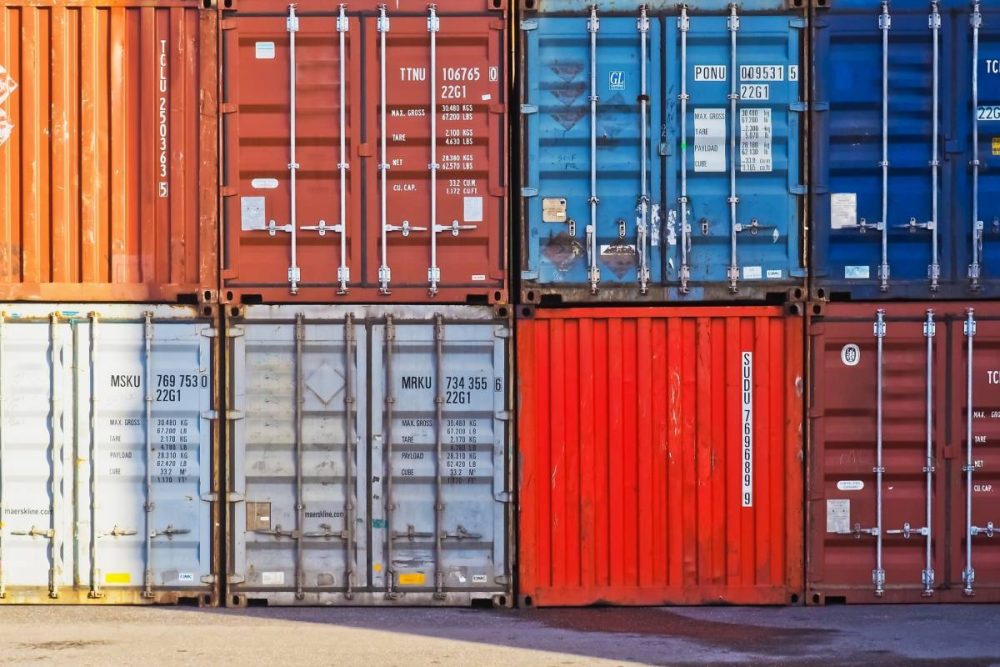
Traffic through the strait has fallen sharply during the conflict. Reuters reported this week that only 17 commodity vessels crossed during one recent weekend, compared with 37 the previous week and a pre-war average of about 125 vessels a day.
The disruption has also affected oil markets. The IEA said the near halt in Hormuz traffic had created the largest supply disruption in the history of the global oil market, with oil prices rising above $100 a barrel and fuel markets facing significant pressure.
Signs of a possible diplomatic opening emerged during this week’s UN gathering. US Secretary of State Marco Rubio said Washington was open to discussions with Iranian representatives, although no meeting had been scheduled at the time.
US President Donald Trump, addressing the General Assembly on Tuesday, said Iran faced a choice between reaching an agreement and continued military confrontation. His administration has maintained that preventing Iran from obtaining a nuclear weapon remains a central objective.
Iranian President Masoud Pezeshkian, speaking to the UN the following day, said Tehran was ready for dialogue and negotiations but rejected talks conducted under military pressure.
“We are ready for dialogue and diplomacy and negotiations without accepting the language of force,” Pezeshkian said. He also said Iran would not give up what it describes as its right to peaceful nuclear technology.
The nuclear issue remains a major obstacle. Washington has demanded safeguards to prevent Iran from developing nuclear weapons, while Tehran insists it has the right to maintain a civilian nuclear programme. Pezeshkian said Iran was not seeking nuclear weapons but would not accept restrictions on peaceful nuclear technology.
The Hormuz proposal also comes amid escalating attacks elsewhere in the region. Saudi Arabia said it intercepted several ballistic missiles during attacks linked to Yemen’s Iran-backed Houthi movement, including threats involving the areas around Yanbu and Taif. France has meanwhile announced plans to send troops and air-defence equipment to help protect Saudi Arabia’s strategic Yanbu energy facilities.
The wider security situation has increased pressure on regional energy routes. The Bab el-Mandeb Strait, another major shipping chokepoint linking the Red Sea with the Gulf of Aden, has also faced disruption as fighting involving the Houthis has intensified.
Iran’s seven-day proposal remains conditional and the response from Washington is unclear. Any agreement would have to address not only the reopening of Hormuz but also the wider conflict, Iran’s nuclear programme and competing US and Iranian security demands.