West Asia war damages over 40 oil and gas assets, disrupting global supplies; IEA warns of economic fallout and urges reopening of Strait of Hormuz, ASIAN LITE NEWSDESK reports
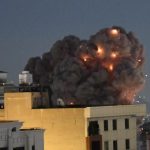
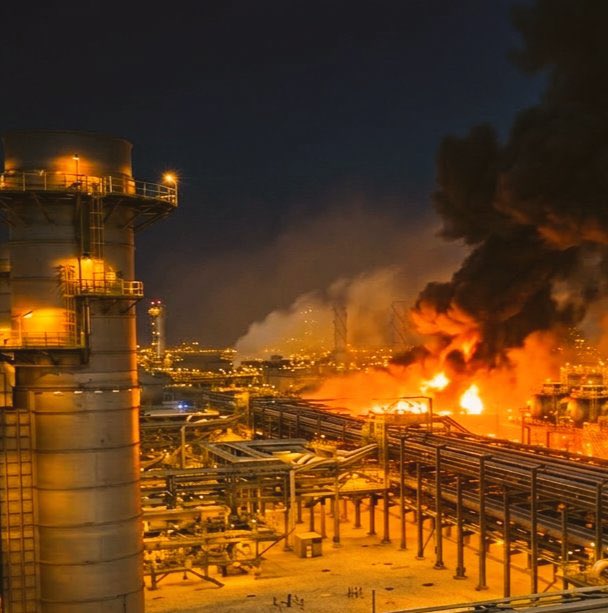
More than 40 oil and gas infrastructure assets across nine West Asian countries have been “severely or very severely” damaged amid the ongoing Iran war, the International Energy Agency (IEA) has warned. Fatih Birol, IEA Executive Director, said no country would be immune to the fallout from the disruption in global energy supplies.
Speaking at Australia’s National Press Club in Canberra, Birol likened the current crisis to “the two major oil crises of the 1970s and the 2022 natural gas crisis after Russia invaded Ukraine all put together.” He noted that while the 1970s oil shocks led to a combined loss of around 10 million barrels per day, the current conflict has already reduced global oil output by roughly 11 million barrels daily.
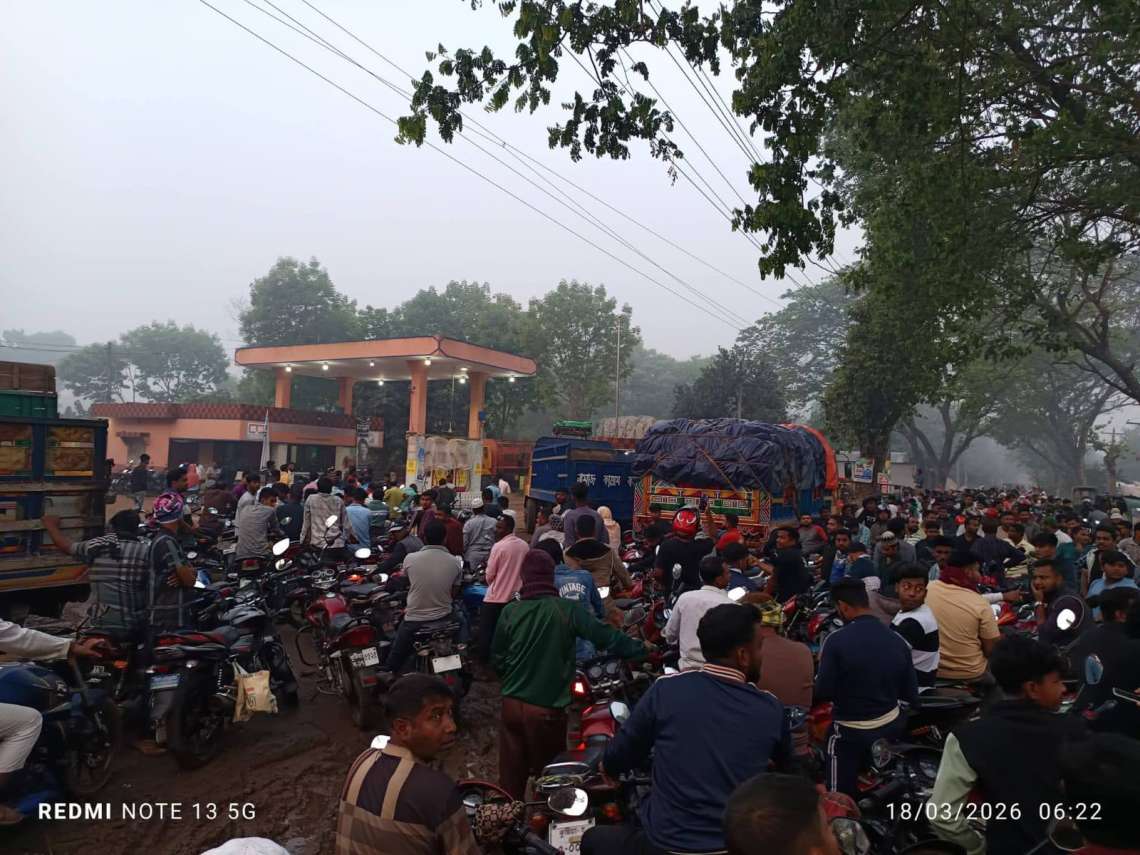
“The disruptions are not limited to oil and gas,” Birol said. “Vital arteries of the global economy — petrochemicals, fertilisers, sulphur, helium — are all impacted, which will have serious consequences worldwide.”
The IEA had announced in early March that it would release a record 400 million barrels from emergency oil reserves held by member countries to help stabilise supply and curb soaring prices. Birol added that discussions are ongoing with governments in Asia and Europe regarding the potential release of additional reserves if necessary.
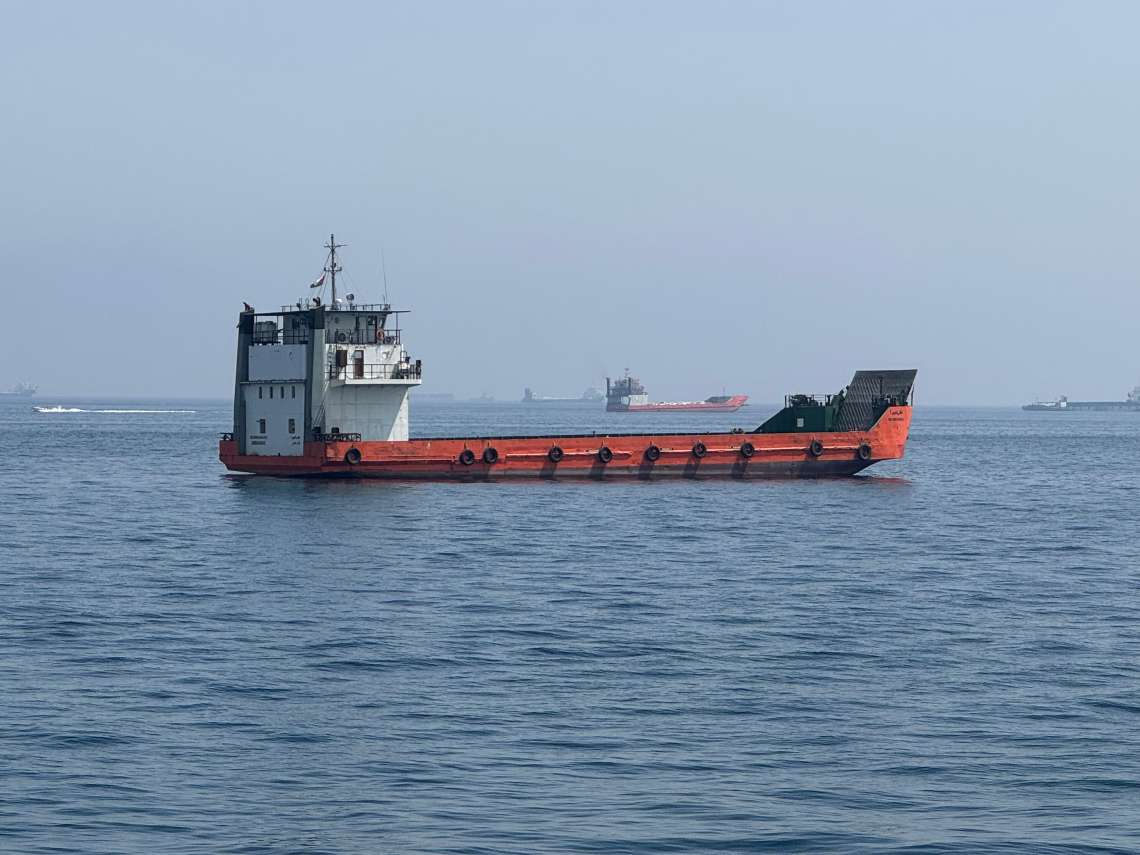
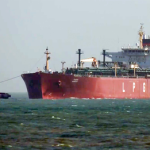
Shipping through the Strait of Hormuz — a critical conduit for global oil — has come to an almost complete halt due to the war. Birol stressed that reopening this key trade route remains the only long-term solution to the ongoing fuel supply disruptions.
The IEA chief warned that if the crisis continues to escalate, the global economy faces a “major threat,” underscoring the broader consequences of the conflict beyond energy markets.