UAE halts all trade and financial transactions with Iran after missiles from Iranian territory targeted maritime navigation, as regional tensions and US pressure escalate, reports Asian Lite News Desk
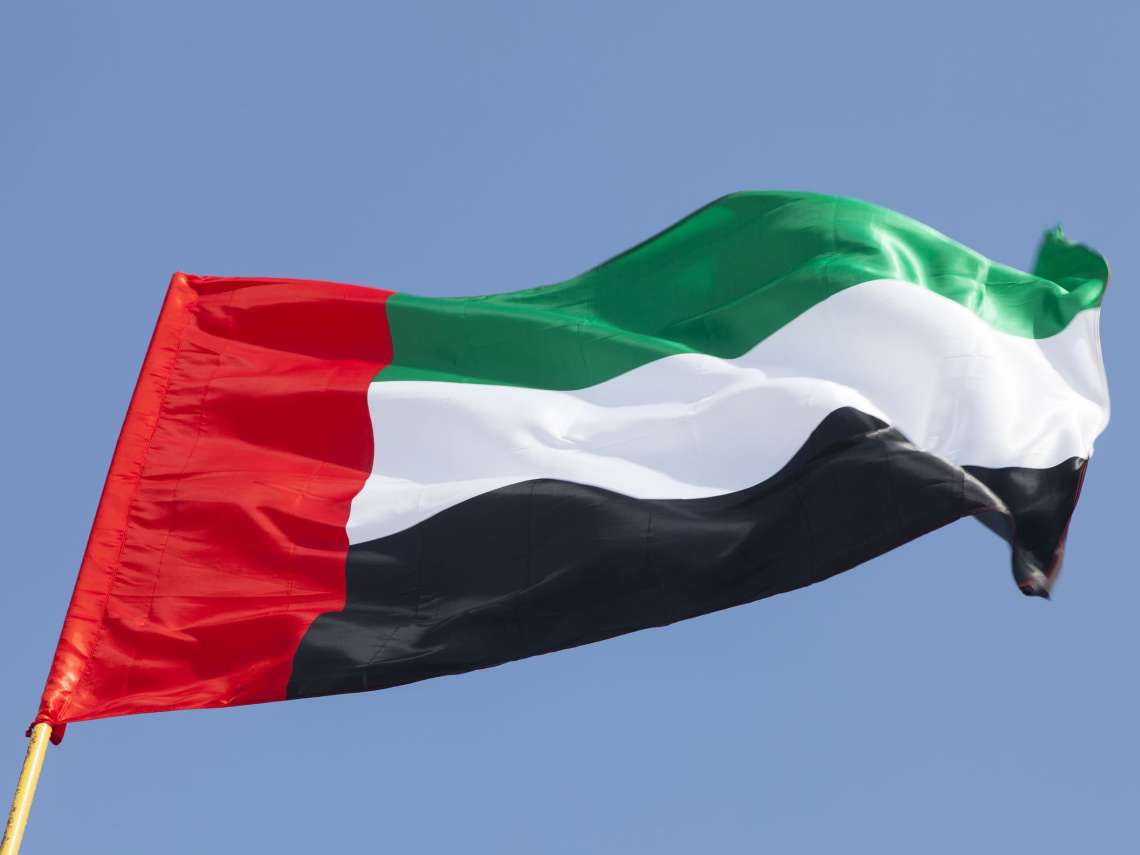
The United Arab Emirates has halted all trade, commercial exchanges and financial transactions with Iran until further notice, as tensions between the two countries escalate following the detection of two ballistic missiles launched from Iranian territory.
Afra Al Hameli, Director of the Strategic Communications Department at the UAE Ministry of Foreign Affairs, said the decision had been taken amid regional developments that threaten regional and international peace and security.
Al Hameli rejected allegations about the current state of the UAE-Iran economic relationship and reiterated Abu Dhabi’s commitment to dialogue, cooperation and regional integration as essential tools for promoting peace, stability and prosperity.
She said the suspension of economic activity with Iran reflected the UAE’s response to the current regional escalation.
Al Hameli also stressed that the UAE remained committed to protecting the integrity of the international financial system and operating in accordance with international law and global standards.
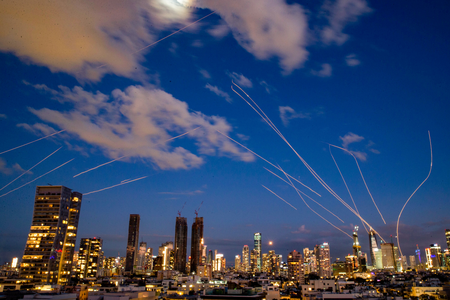
The announcement came after the UAE Ministry of Defence said assessments had determined that two ballistic missiles detected earlier had originated from Iran and were targeting maritime navigation.
The ministry said both missiles fell into the sea. It had earlier stated that one missile fell outside the UAE’s territorial waters, while the second fell within them.
No casualties or damage were reported in connection with the incident.
The Ministry of Defence said the UAE remained ready to respond to threats and would firmly counter any attempts to undermine the country’s security or the safety of maritime navigation in the region.
It said the measures were aimed at protecting the UAE’s sovereignty, security and stability, as well as its national interests, assets and resources.
Iran, however, has rejected the UAE’s claim that Tehran launched a missile towards the country.
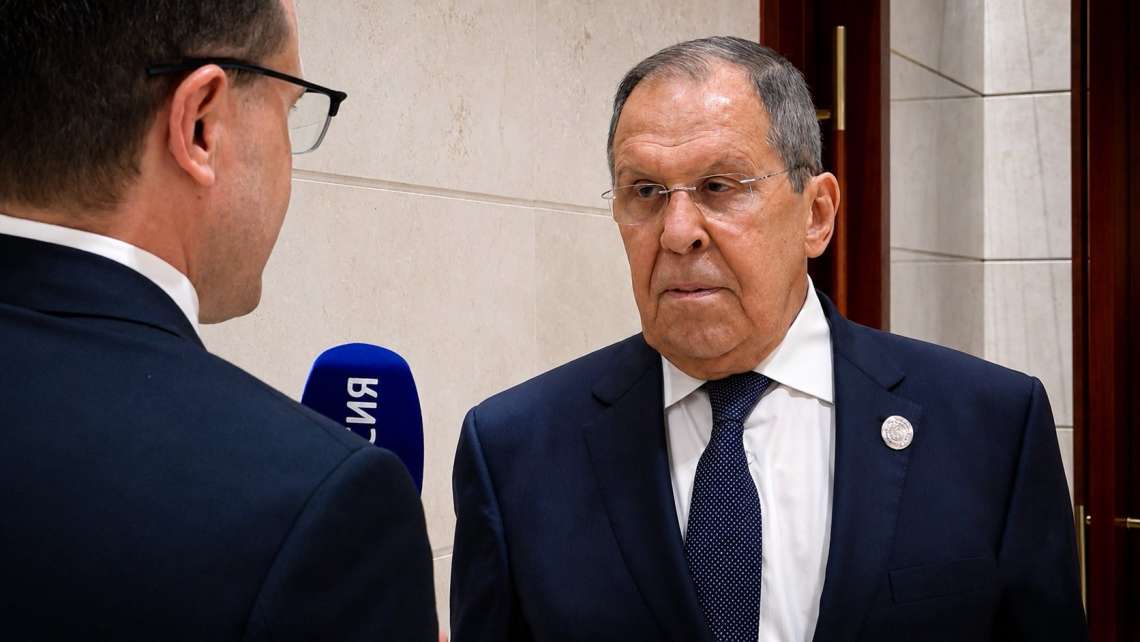
Iranian Foreign Ministry spokesman Esmaeil Baghaei said on Wednesday that the accusation was regrettable and argued that it ran counter to the principle of good neighbourliness and efforts to build trust between countries in the region.
Baghaei called on regional countries to avoid what he described as “baseless” accusations, pointing to what he said were existing complications caused by US and Israeli actions in the region.
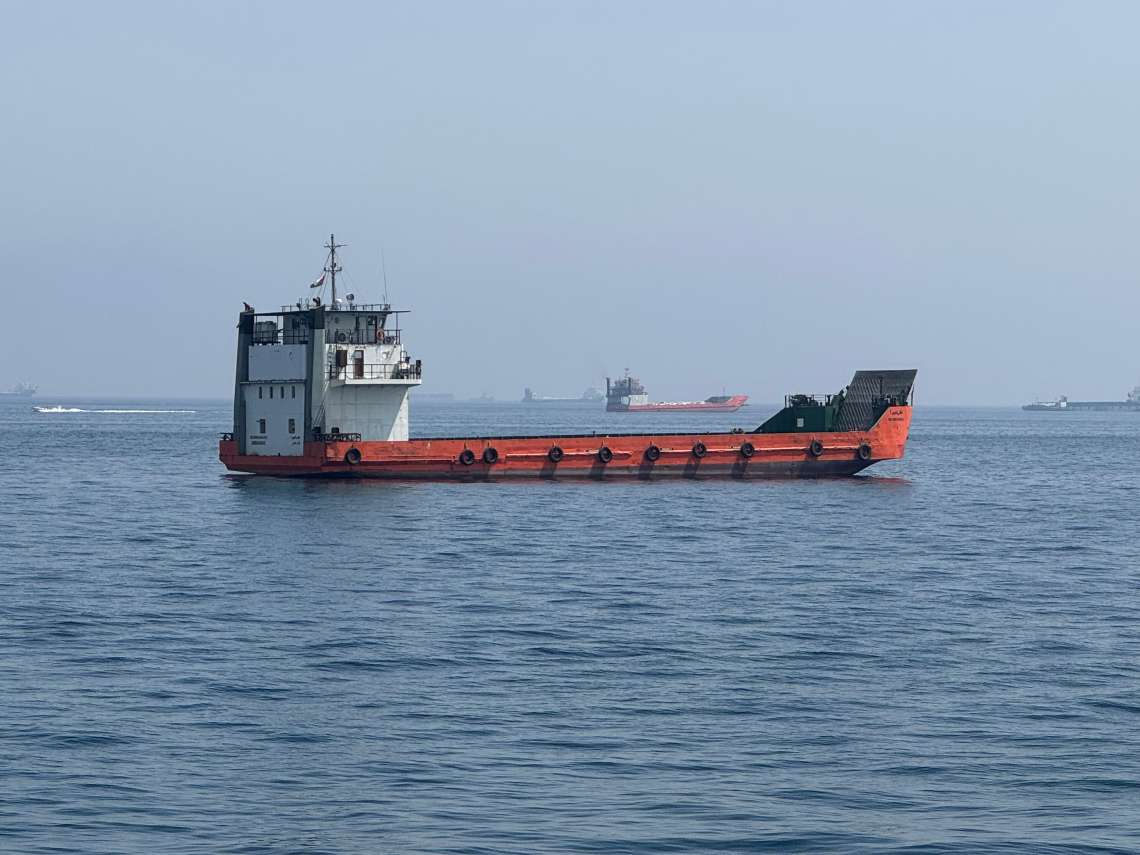
The latest developments come amid wider tensions surrounding Iran, the United States and the Strait of Hormuz, one of the world’s most important maritime routes for oil and liquefied natural gas shipments.
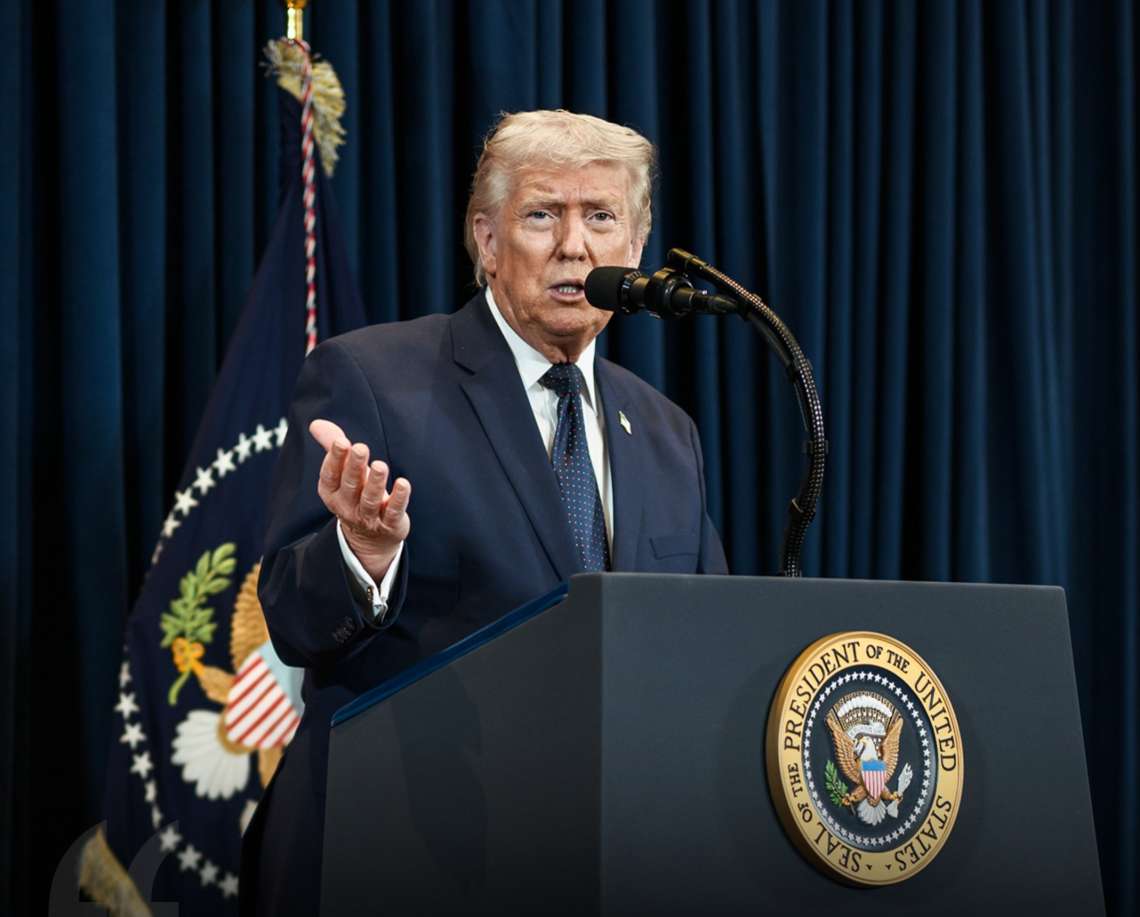
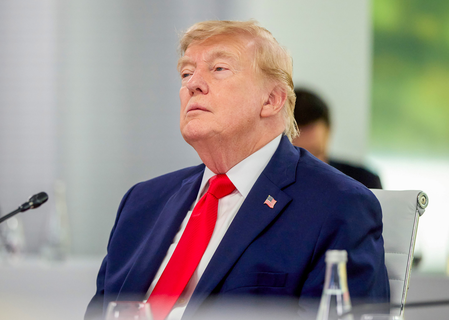
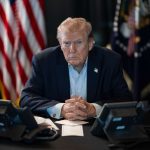
US President Donald Trump has also reportedly instructed his negotiating team to halt conversations with Iran, according to a CNN report citing US officials.
The team includes Vice President JD Vance and envoys Steve Witkoff and Jared Kushner. According to the report, Trump directed them not to engage with Tehran despite officials describing some earlier discussions as positive.
Trump has indicated that he wants Iran to demonstrate a renewed willingness to accept the terms of a deal before negotiations resume.
The White House is reportedly considering a strategy focused on increasing economic pressure on Tehran rather than launching further military strikes.
US Treasury Secretary Scott Bessent has previously warned that Washington would impose unprecedented measures against Iran as part of its financial campaign, including targeting bank accounts, cryptocurrency wallets and assets around the world.
Trump also said on social media that there were no talks or conversations with Iran underway or scheduled. He said a naval blockade remained in force and claimed the Strait of Hormuz was open and operating, while also stating that water mines had been removed or detonated.
Meanwhile, US Secretary of State Marco Rubio and UAE National Security Advisor Sheikh Tahnoon bin Zayed Al Nahyan discussed Iran, Lebanon and security in the Strait of Hormuz during a telephone call.
According to the US State Department, the two officials reviewed regional security issues and continued coordination between Washington and Abu Dhabi.
They also discussed efforts to hold Iran and groups supported by Tehran accountable for ongoing attacks, while Rubio stressed the importance of freedom of navigation through the Strait of Hormuz.