The United States has carried out fresh overnight strikes in Iran, targeting what Washington described as a military threat to US forces and commercial shipping in the region. The attacks came as President Donald Trump warned that military action could resume if ongoing negotiations with Tehran fail to produce an agreement acceptable to Washington…reports Asian Lite News Desk
The United States military carried out fresh overnight strikes against targets in Iran, according to multiple American media reports, as tensions between Washington and Tehran continued despite ongoing diplomatic negotiations.
US officials said the strikes targeted a military site that was believed to pose a threat to American forces and commercial vessels operating in the region.
According to CBS News, US forces also intercepted drones launched from Iran during the operation. A US official quoted by the broadcaster described the strikes as defensive in nature and said Washington still considered the ceasefire between the two countries to be holding.
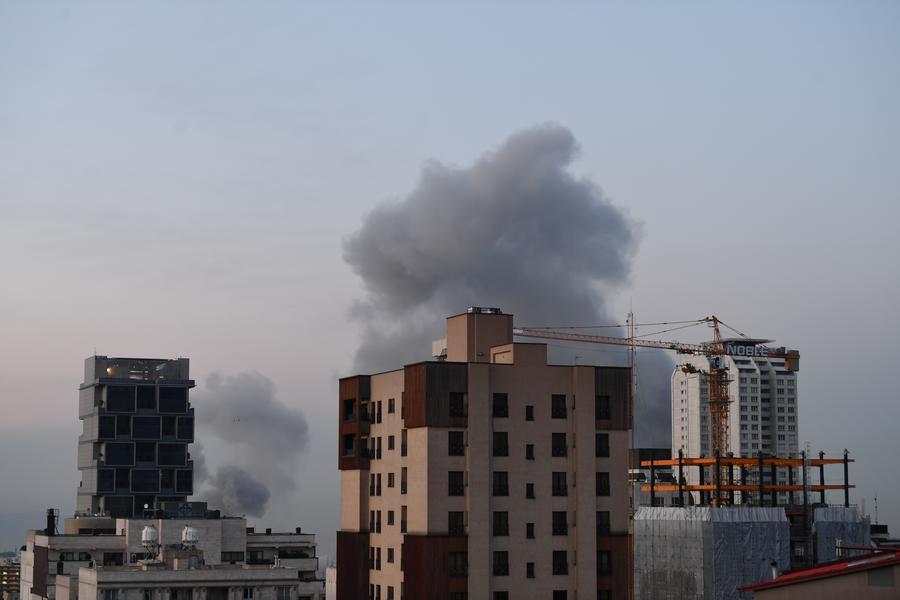
The developments came as explosions were reported near the Iranian port city of Bandar Abbas, which lies along the strategically important Strait of Hormuz.
Iranian news agency Fars reported that three explosions were heard east of Bandar Abbas at around 1.30am local time on Thursday. Air defence systems were subsequently activated in the area.
Authorities were investigating the source of the explosions, according to the report.
The Strait of Hormuz remains one of the world’s most critical energy shipping routes, carrying a significant share of global oil and gas exports.
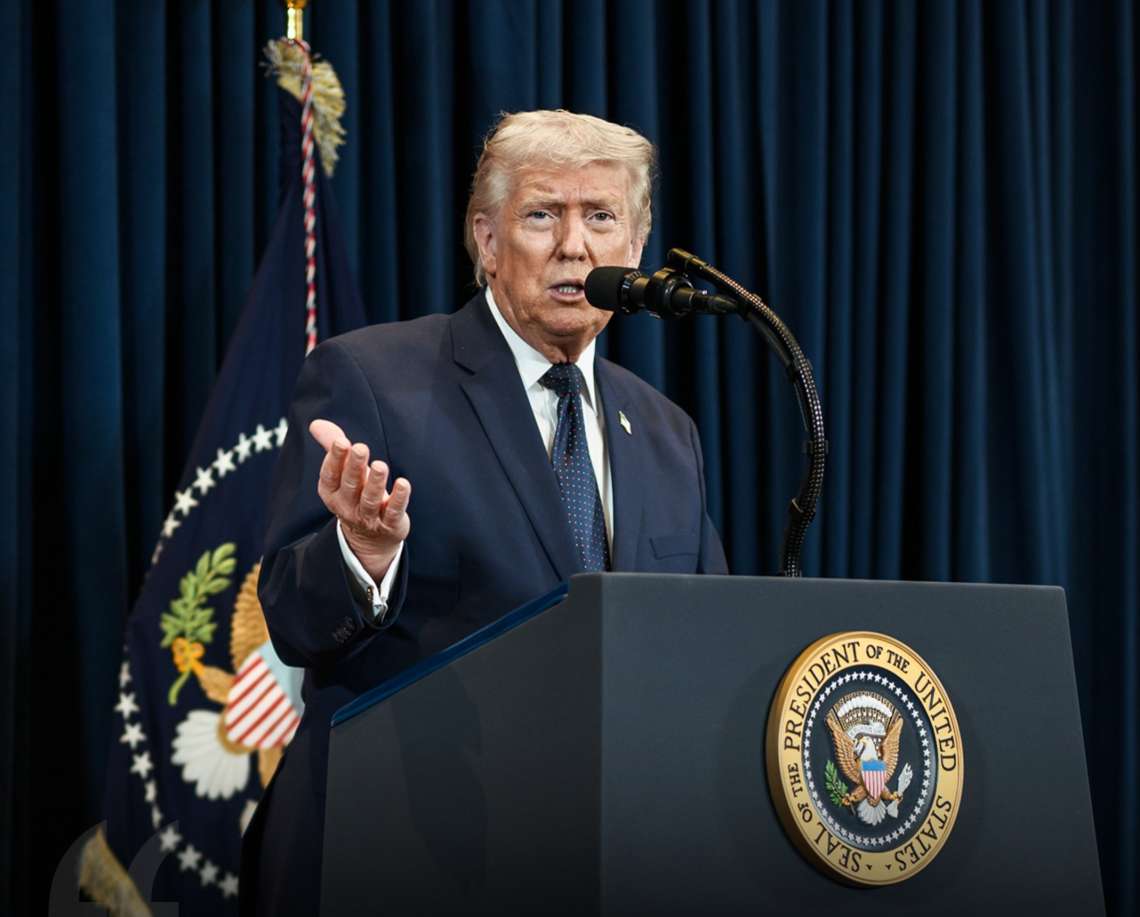
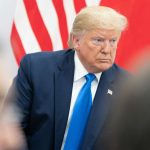
The latest military activity followed renewed warnings from US President Donald Trump, who said Washington remained prepared to resume military action if negotiations with Iran failed to meet American demands.
Speaking during a Cabinet meeting at the White House on Wednesday, Trump rejected suggestions that domestic political pressure linked to the upcoming midterm elections would affect his negotiating position with Tehran.
“They thought they were going to outwait me,” Trump said. “I don’t care about the midterms.”
Referring to the ongoing talks with Iran, Trump indicated that the United States remained dissatisfied with the current terms under discussion.
“We’re not satisfied with it, but we will be,” he said. “Either that or we’ll have to just finish the job.”
“They want to just make a deal,” Trump added. “I don’t think they have a choice.”
The White House also rejected reports carried by Iranian state media regarding a proposed draft agreement between Washington and Tehran.
Iranian state broadcaster IRIB had reported that an unofficial draft framework for a memorandum of understanding included a withdrawal of US forces from areas near Iran and the lifting of the US naval blockade on Iranian ports.
The White House dismissed the report as “a complete fabrication”.
Trump also said Iran would not receive sanctions relief in return for giving up its stockpile of highly enriched uranium.
When asked during a brief phone interview with PBS News whether the framework under discussion involved sanctions relief in exchange for Iran abandoning enriched uranium reserves, Trump replied: “No, no, not at all. Not sanctions relief, no.”
“They’re gonna give up their highly enriched uranium not for sanctions relief. No, no, not at all,” he added.
The latest developments come amid continuing tensions between the United States and Iran over nuclear negotiations, regional security and sanctions.
Washington and Tehran have remained deeply divided over Iran’s nuclear programme, military activities and the future of economic sanctions imposed by the United States.
The renewed military action is also likely to increase concerns about stability in the Gulf region, particularly around the Strait of Hormuz, where previous confrontations have raised fears over global energy supplies and shipping security.
Despite periodic diplomatic contacts, relations between the two countries have remained highly strained for years, with both sides accusing each other of escalating tensions and undermining regional stability.