The IMF forecasts a 0.3 per cent contraction across the Middle East and Central Asia in 2026, with Kuwait, Iraq, Qatar and Bahrain facing steep declines as the Strait of Hormuz remains disrupted…reports Asian Lite News Desk
Kuwait, Iraq, Qatar and Bahrain face double-digit economic declines in 2026, with the IMF warning that the Middle East conflict and disruption to energy shipments will weigh heavily on regional growth.
The economies of the Middle East and Central Asia are projected to contract in 2026 as the war in the Middle East and the closure of the Strait of Hormuz disrupt energy production, exports and trade, the International Monetary Fund (IMF) has warned.
In its October 2026 World Economic Outlook, released on Tuesday, the IMF forecast the region’s economy would shrink by 0.3 per cent this year, a sharp reversal from growth of 3.7 per cent in 2025. It expects a rebound of 6.3 per cent in 2027 as production, exports and logistics recover.
The 2026 forecast represents a downward revision of 2.2 percentage points from the IMF’s April outlook. The Fund said the change reflected an assumption of a longer closure of the Strait of Hormuz than previously anticipated, followed by a stronger recovery once the vital shipping route reopens.
The biggest economic declines are expected among smaller Gulf oil and gas producers, whose output and export routes have been particularly exposed to the disruption.
Four Gulf economies face double-digit falls
The IMF projects Kuwait’s economy will contract by 16.7 per cent in 2026, followed by Iraq at 16 per cent, Qatar at 15.6 per cent and Bahrain at 11.3 per cent.
The Fund expects sharp recoveries in 2027, forecasting growth of 19 per cent in Iraq, 18.8 per cent in Qatar, 17.1 per cent in Kuwait and 13.9 per cent in Bahrain.
It said the four countries were among the commodity producers most affected by interruptions to energy output and transportation, with the projected rebound reflecting the expected normalisation of production, exports and logistics.
Saudi Arabia is forecast to fare better, supported in part by more diversified export routes. The IMF projects the kingdom’s economy will contract by 3.3 per cent in 2026 before expanding by 7.9 per cent in 2027. Saudi Arabia recorded growth of 4.6 per cent in 2025.
The United Arab Emirates is forecast to contract by 3.9 per cent this year before growing by 7.7 per cent in 2027. Oman is an exception among the Gulf economies covered, with the IMF projecting growth of 4.1 per cent in 2026.
Hormuz disruption threatens global energy flows
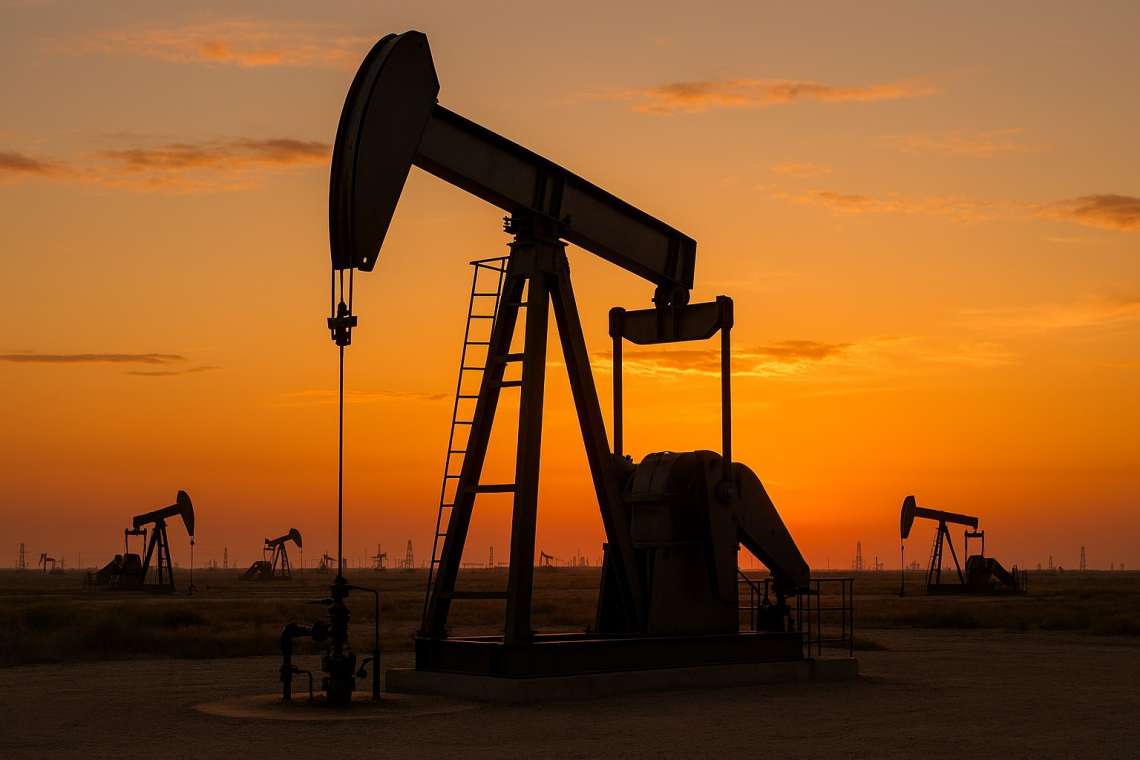
The Strait of Hormuz is one of the world’s most important energy shipping routes. Before the conflict began, about 20 million barrels of oil a day passed through the waterway, equivalent to roughly a quarter of global maritime oil trade, according to the IMF.
Its closure has forced Gulf producers to seek alternative export routes and disrupted the movement of energy supplies through the region.
The IMF said some Persian Gulf producers had redirected supplies to other ports, while production outside the Gulf had increased by about two million barrels a day.
Oil prices almost doubled during the early months of the conflict before settling at levels 20 to 40 per cent above their pre-conflict prices, the report said.
The disruption has implications beyond the oil-producing states. Higher energy costs can place pressure on import-dependent economies, inflation and household spending, while uncertainty over shipping and production can weigh on investment and trade.
Iran faces high inflation and deeper contraction
Iran’s economy is projected to shrink by 7.6 per cent in 2026, while inflation is forecast to reach 78.6 per cent.
The IMF attributed the downgrade to renewed military exchanges, the reimposition of a naval blockade and tighter sanctions.
The report also warned that a prolonged stalemate or further escalation in the Middle East or Ukraine could keep commodity prices higher and more volatile for longer.
Such a scenario would add to the uncertainty facing energy markets and economies already affected by disrupted supply chains and higher costs.