The global lender says closer engagement between Washington and Beijing could help strengthen economic stability….reports Asian Lite News Desk
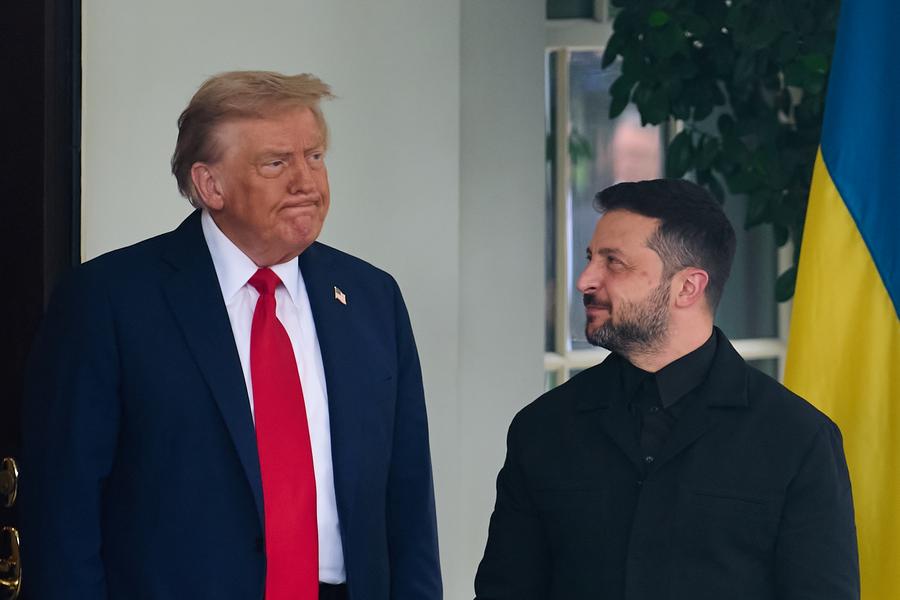
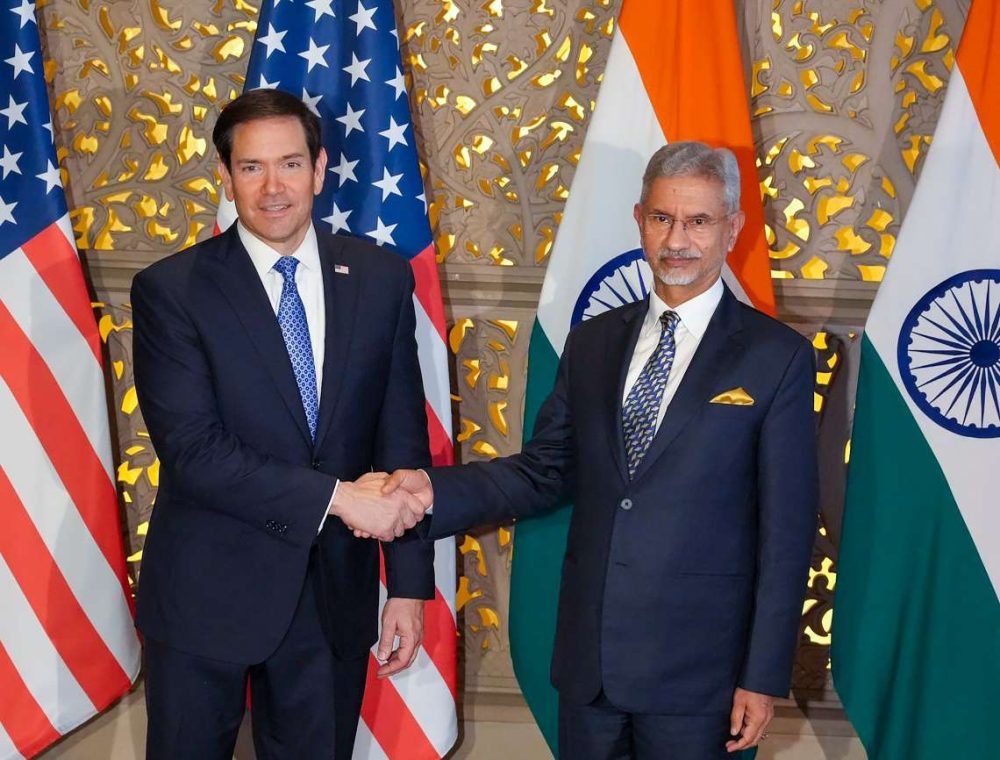
The International Monetary Fund (IMF) has welcomed planned talks between the leaders of the United States and China, saying engagement between the world’s two largest economies could help support global economic stability.
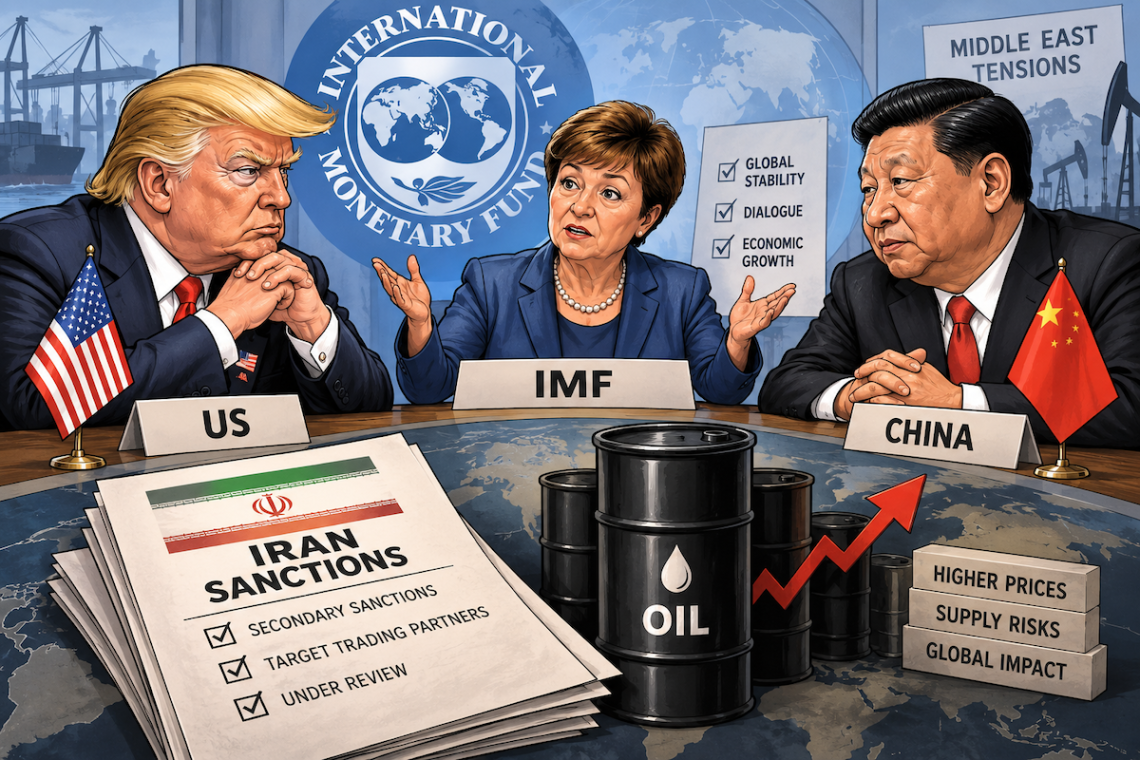
The IMF is also closely examining new US sanctions targeting Iran’s trading partners as the Middle East conflict continues to weigh on the global economy.
The comments came ahead of an expected meeting between the US and Chinese presidents later this month, amid continuing trade and economic tensions between Washington and Beijing.
“We think it’s very important that the leaders of the two largest economies are meeting, engaging, and having discussions on ways to resolve any of their tensions or conflicts,” IMF Communications Director Julie Kozack told reporters.
Kozack said closer engagement between Washington and Beijing would benefit not only the two countries but also the wider global economy, given their importance to international trade, manufacturing and financial markets.
“Having the US and China in discussions and finding ways to navigate any of the tensions they have is good for the US; it’s good for China, and that means it’s good for the global economy,” she said.
The IMF did not specify what outcomes it expected from the potential meeting.
On Iran, Kozack said the Fund was studying the US launch of Operation Economic Outcast, which includes secondary sanctions aimed at Iran’s trading partners.
“On the question on the new sanctions on Iran, this is something that we’re looking at closely,” she said.
Kozack said the IMF was still assessing the details of the measures and described the action taken so far as relatively limited.
The Fund plans to provide a more detailed assessment in its forthcoming World Economic Outlook and through its regional discussions on the Middle East.
Meanwhile, the IMF said the global economy had remained resilient despite six months of war in the Middle East. It expects global growth to remain around 3 per cent, although uncertainty remains elevated.
The conflict has pushed up oil, gas and refined fuel prices, adding to pressure on the global economy. The IMF also said shipping through the Strait of Hormuz had fallen to around one-tenth of pre-war levels.
Higher borrowing costs and elevated commodity prices are adding to the risks facing the global economy, the Fund said, as it continues to monitor the impact of geopolitical tensions and new sanctions.