India and China revive high-level Strategic Dialogue in New Delhi, stress border calm as key to trade, travel, BRICS cooperation and broader diplomatic reset….reports Asian Lite News
India and China have reaffirmed that calm along their contested border remains the cornerstone of any meaningful improvement in ties, as senior officials from both countries met in New Delhi for a fresh round of Strategic Dialogue talks.
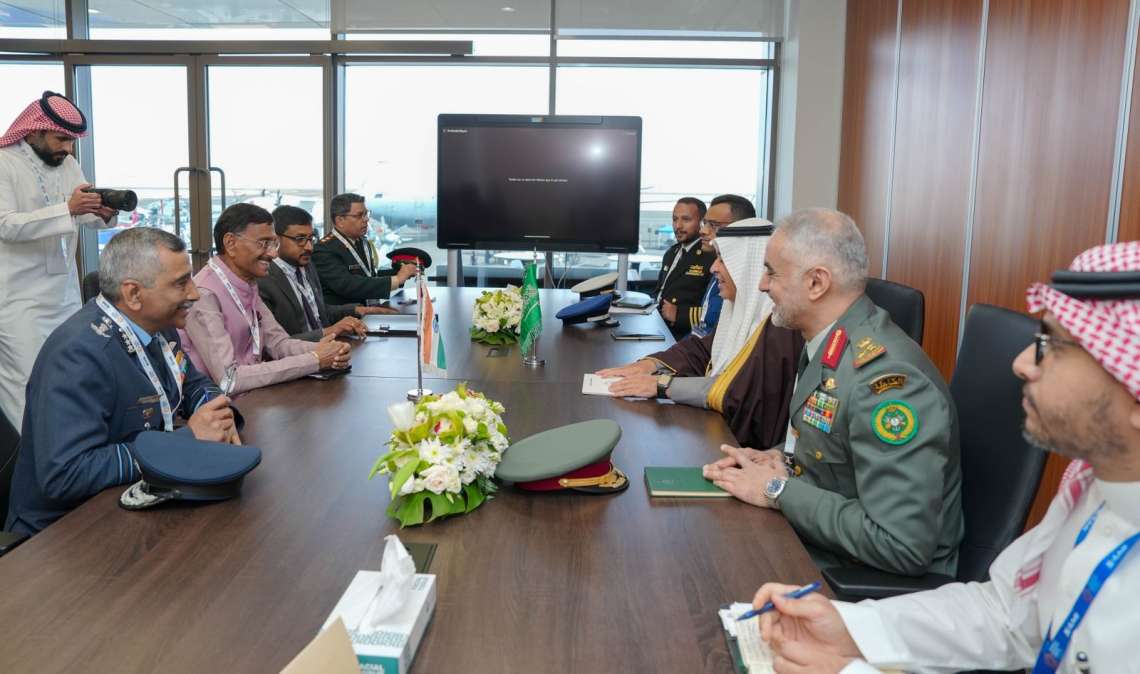
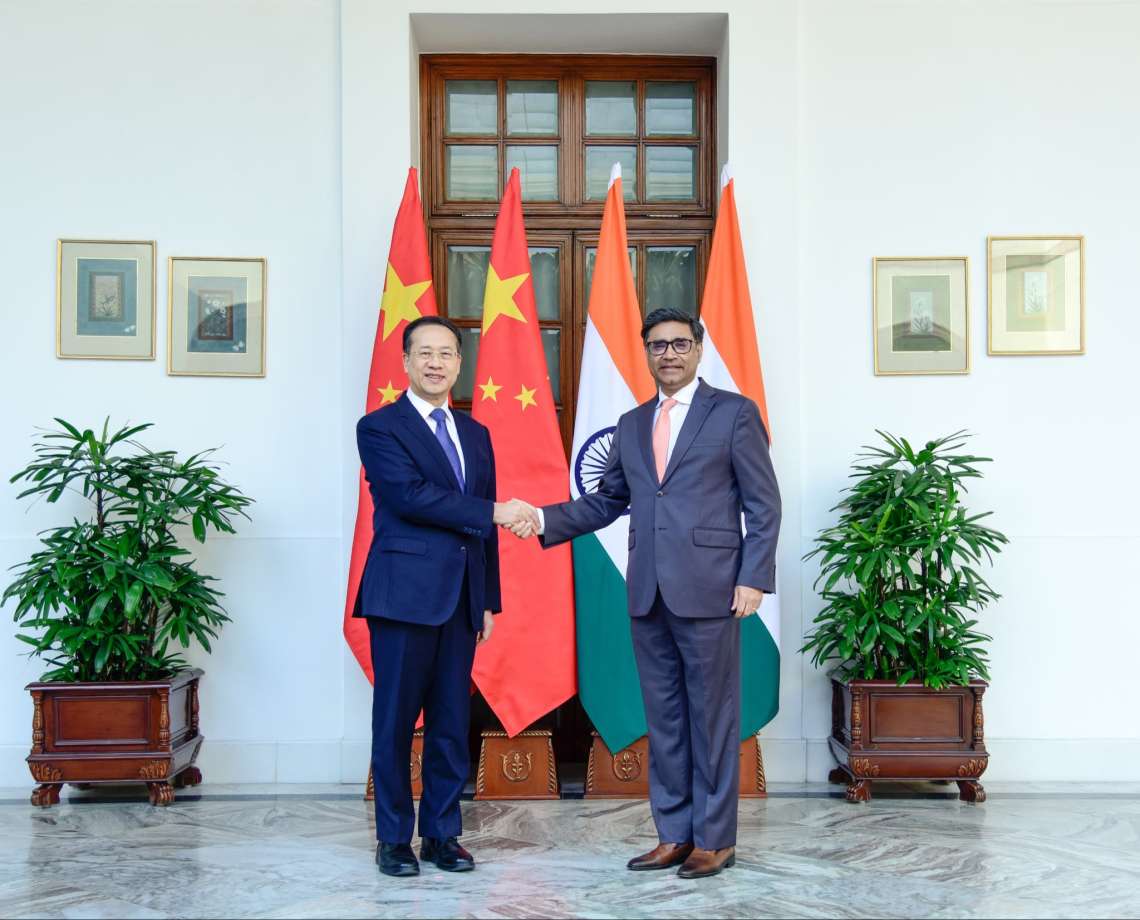
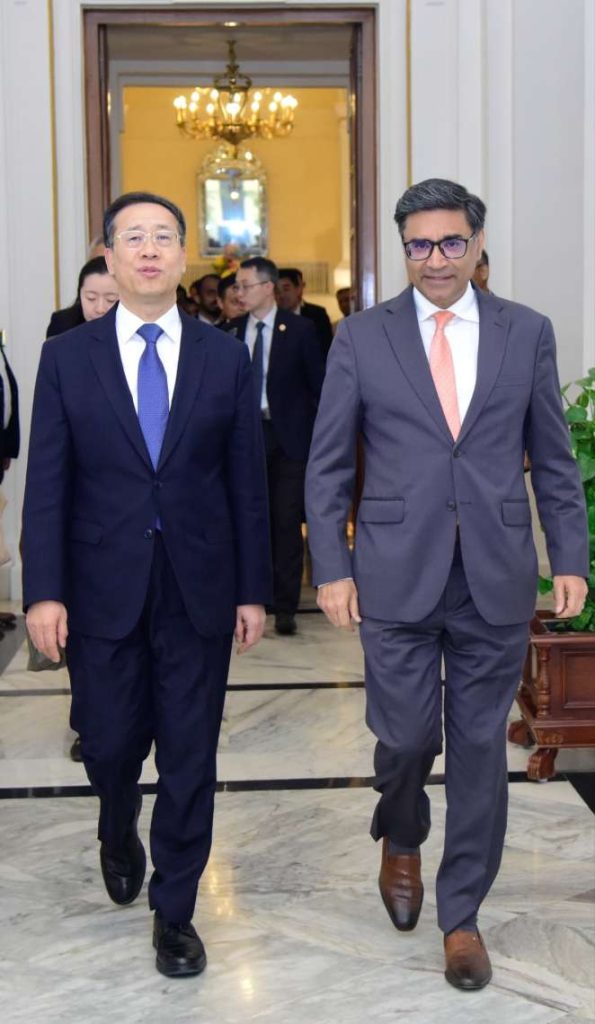
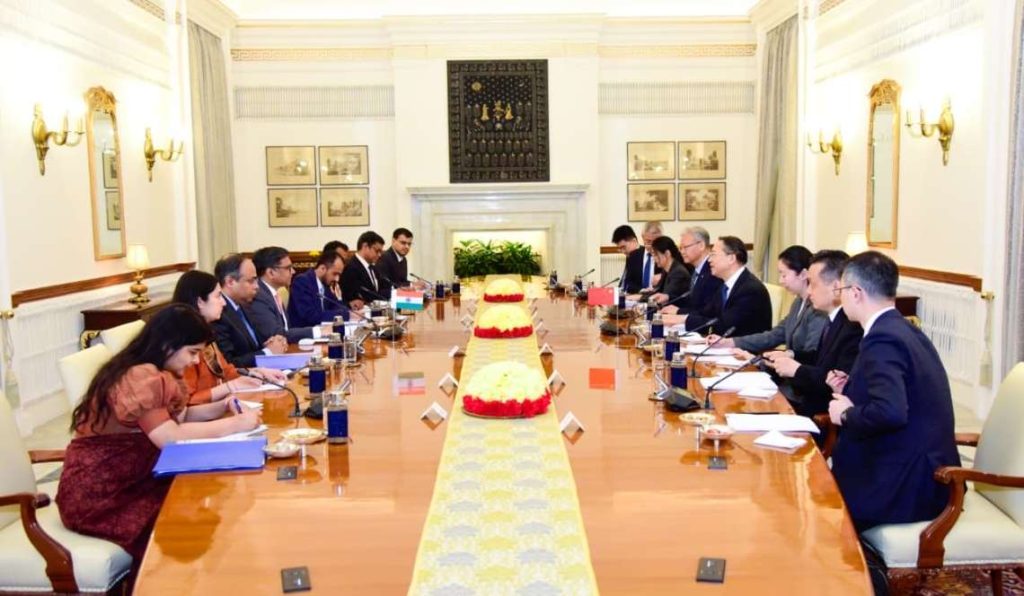
The discussions were held between India’s Foreign Secretary Vikram Misri and China’s Executive Vice Foreign Minister Ma Zhaoxu, who is in India to attend the BRICS Sherpa Meeting from February 8 to 10. The meeting marked another step in the cautious effort by both Asian powers to stabilise relations after years of strain following the military standoff in eastern Ladakh.
According to the Ministry of External Affairs, the two sides reviewed recent developments in bilateral relations and exchanged views on regional and global issues. The talks focused on consolidating progress made in easing tensions and exploring ways to further rebuild engagement across sectors.
At the heart of the discussions was a shared acknowledgement that peace and tranquillity in border areas are essential for broader cooperation. Both sides underlined that sustained stability along the Line of Actual Control would create the conditions necessary for normalising ties in trade, connectivity and people-to-people exchanges.
The two officials reiterated their commitment to implementing the guidance provided by their respective leaders. This includes approaching bilateral issues, especially trade-related concerns, from a broader political and strategic perspective rather than through a narrow transactional lens. The emphasis suggested recognition in both capitals that economic and diplomatic engagement cannot move forward in isolation from the security situation on the frontier.
Foreign Secretary Misri also welcomed the resumption of the Kailash Mansarovar Yatra, a significant pilgrimage for Indian devotees that had been suspended in recent years amid tensions and pandemic restrictions. He expressed hope that the pilgrimage would continue and expand in the coming seasons, signalling a gradual return of cultural and religious exchanges.
Connectivity and travel figured prominently in the talks. Both sides acknowledged the need to conclude an updated Air Services Agreement at an early date to facilitate smoother aviation links. They also agreed to continue practical steps to ease visa processing and encourage greater people-to-people contact, an area seen as critical to restoring trust.
Multilateral cooperation was another key theme, particularly in the context of India’s BRICS chairmanship this year. The Chinese side conveyed support for a successful BRICS Summit in India, underscoring the importance of cooperation among emerging economies at a time of global economic uncertainty.
In a notable diplomatic gesture, the Chinese delegation stated that Beijing understands and respects India’s aspirations for permanent membership of the United Nations Security Council. While China has traditionally taken a cautious line on Security Council reform, the acknowledgement is likely to be read in New Delhi as a positive signal.
The Strategic Dialogue comes at a delicate moment in India-China relations, with both sides attempting to strike a balance between competition and cooperation. While military disengagement at friction points has reduced immediate tensions, the broader relationship remains contingent on sustained peace at the border.
Meanwhile, former senior Indian diplomat Vidya Bhushan Soni said that the meeting between Foreign Secretary Vikram Misri and Executive Vice Minister of Foreign Affairs of China Ma Zhaoxu yesterday was an important one, as the country prepares to chair the upcoming session.
Soni, in a conversation with ANI, said that the meeting was important at a time when efforts are being made by some interested parties to bring down the importance of BRICS. He highlighted India’s commitment to multilateral diplomacy and stated that BRICS remains a significant platform, especially for India as one of its founding members. Referring to the role of China within the BRICS framework, the former diplomat stated that China has come to recognise the importance of India’s active participation and leadership.
He said, “It is very important that they have come up with this kind of approach. I think that is a sensible approach. Please bear in mind that India will be chairing the BRICS session, so we will be steering the deliberations in various sectors. Ever since the last BRICS Summit there have been such far-reaching changes on the international scene.”
“Efforts are being made by some interested parties to bring down the importance of BRICS. But India is committed to multilateral diplomacy. For us, BRICS is important because we are one of the Founding Members of that. I think China has realised that BRICS without India’s active participation and leadership role can’t really get anywhere… So, they took the initiative of coming and before our Chairmanship starts, we agree on various points so that there is no divergence of view and there is commonality so that we can move forward,” he added.