India is examining the national security and regional implications of the recently signed defence pact between Pakistan, Saudi Arabia and Turkey….reports Asian Lite News Desk
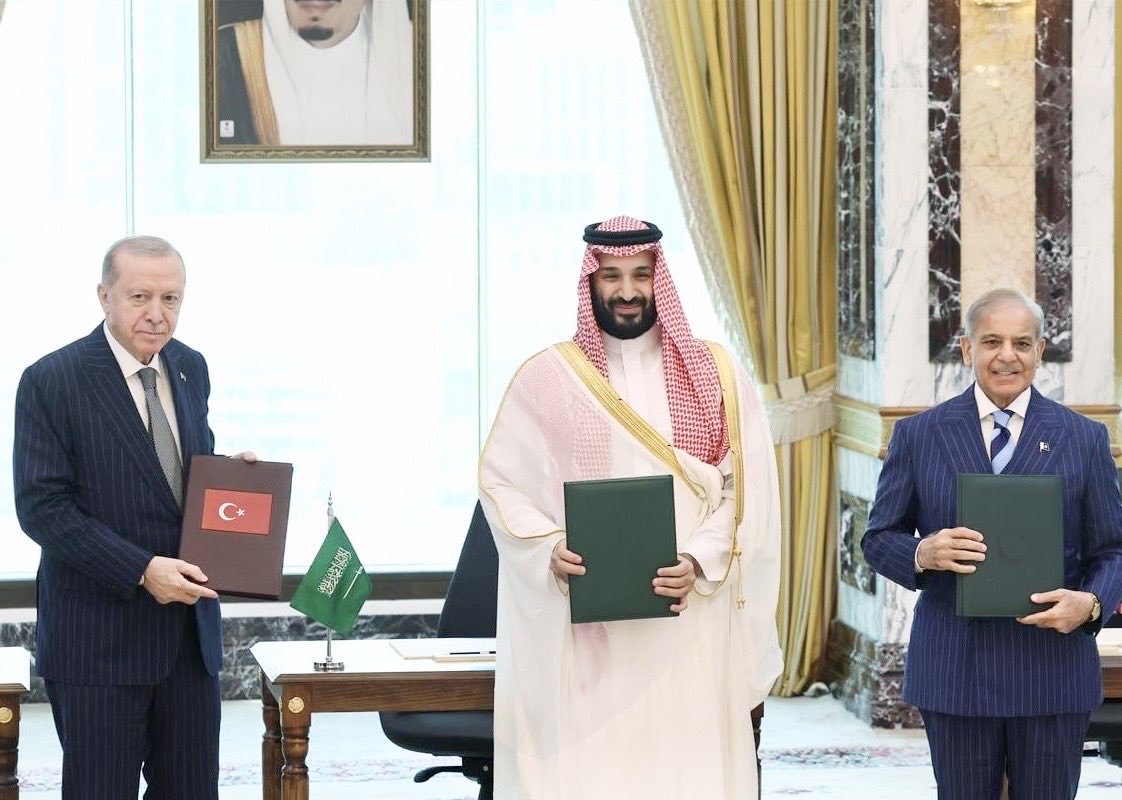
India is examining the implications of the recently signed Mecca Defence Pact between Pakistan, Turkey and Saudi Arabia, with the Ministry of External Affairs (MEA) saying New Delhi will take all necessary measures to protect its national interests.
Responding to questions about the agreement during a biweekly media briefing on Tuesday, MEA spokesperson Randhir Jaiswal said India was closely monitoring developments in West Asia and assessing the defence pact from the perspectives of national security and regional stability.
“Regarding the agreement that was signed recently, let me say that we continue to closely follow developments in the West Asia conflict. As far as this particular agreement is concerned, we are examining its implications, both from the perspective of our national security as well as considerations of regional stability, peace and stability. India remains fully committed to meeting or safeguarding its national interests and will take all necessary measures in this regard,” Jaiswal said.
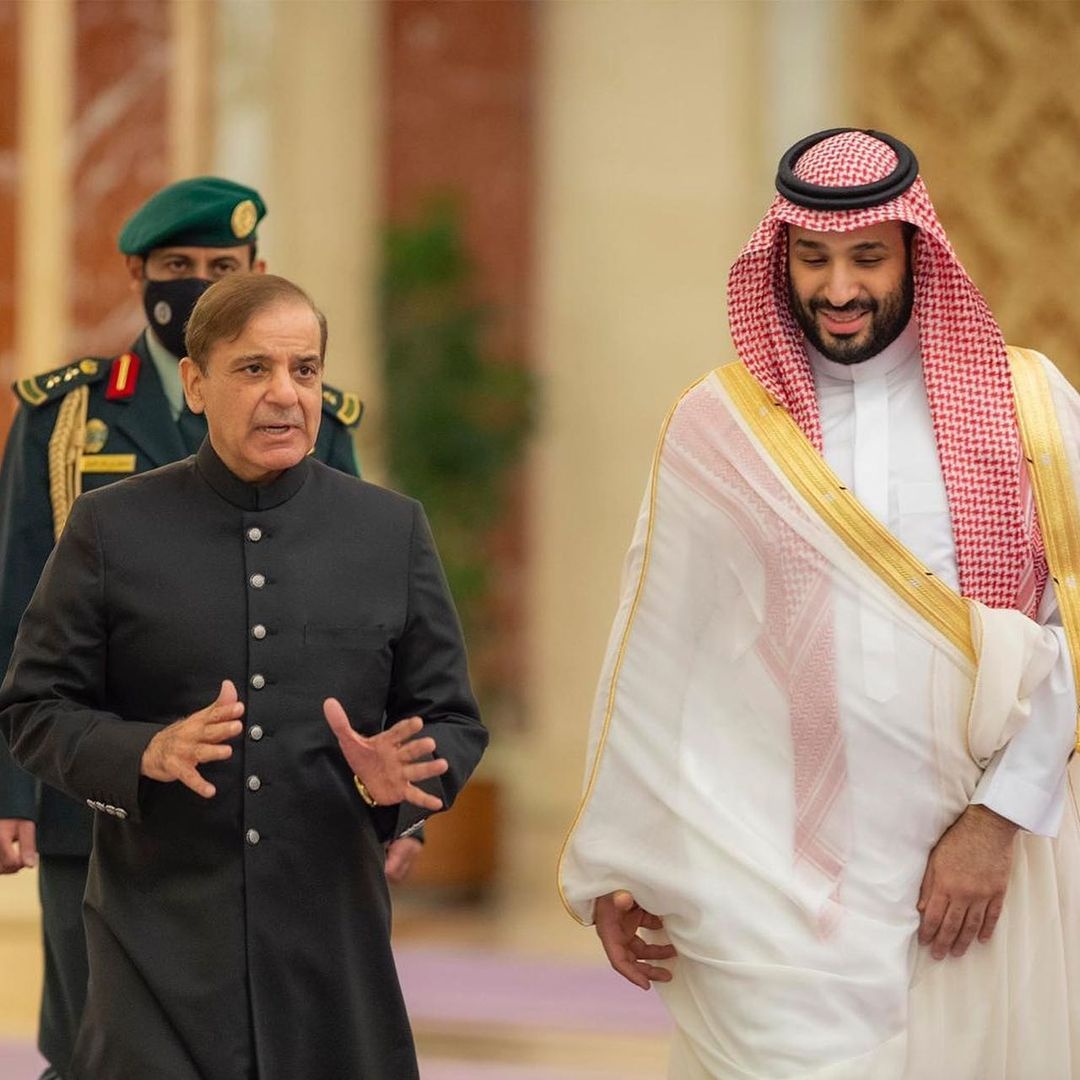
The pact, signed by Pakistan, Turkey and Saudi Arabia, has attracted attention over its potential implications for regional security and the balance of power in West Asia and South Asia.

Analysts have questioned how effective the agreement could be unless it establishes clear definitions of aggression, specifies circumstances that could trigger a military response and sets out mechanisms for coordinating the armed forces of the three countries.
A report published in Modern Diplomacy described the agreement as potentially serving as a “backup plan”, suggesting that the three countries could be preparing for circumstances in which they cannot fully depend on security guarantees from major powers.
The report also noted that the agreement uses broad language and does not appear to impose an explicit obligation on any of the three countries to go to war if another member comes under attack.
Meanwhile, Italian political adviser, author and geopolitical expert Sergio Restelli wrote in The Times of Israel that Pakistan’s Defence Minister Khawaja Asif had given the emerging alliance a more clearly defined adversarial dimension.
Restelli said Asif had called for Muslim countries to unite against Israel and advocated a joint military front, arguing that the threat posed by Israel extended beyond Palestine to the wider Muslim world.
“Asif called for Muslim countries to unite against Israel and advocated a united military front, arguing that the threat posed by the Jewish state extended beyond Palestine to the Muslim world as a whole,” Restelli wrote.
He noted that Pakistan has never recognised Israel and that Pakistani politicians have frequently adopted strongly anti-Israel positions. According to Restelli, Asif’s remarks carry added significance because they came soon after Pakistan entered the collective defence arrangement with Saudi Arabia and Turkey.
India’s assessment of the pact comes amid continuing tensions across West Asia and growing international focus on new security alignments involving regional powers.
The MEA’s comments indicate that New Delhi is assessing both the direct national security implications of the agreement and its potential impact on wider regional peace and stability.