India pushes ahead with Great Nicobar mega project to boost maritime power, but political opposition warns of ecological damage and risks to indigenous communities and biodiversity, reports Asian Lite Newsdesk
India’s ambitious plan to transform Great Nicobar Island into a major maritime and economic hub is gathering pace, but the project has also triggered a sharp political and environmental debate, with the government defending its strategic vision and the opposition alleging large-scale ecological and social risks.
According to official statements, the Great Nicobar Project is designed to position India at the heart of global shipping networks by leveraging its proximity to the busy East–West maritime corridor. The initiative aims to reduce the country’s dependence on foreign transshipment hubs such as Colombo, Singapore and Port Klang, where a significant portion of Indian cargo is currently routed due to limitations at domestic ports.
At the core of the project is a proposed International Container Transshipment Terminal at Galathea Bay, with a planned capacity of 14.2 million TEUs. The deep natural draft of over 20 metres and its proximity—around 40 nautical miles—to a key global shipping route give it a strategic advantage in attracting both transshipment and gateway cargo. The development is part of the broader Island Development Programme and is expected to enhance India’s maritime footprint in the Andaman Sea and the wider Indo-Pacific region.
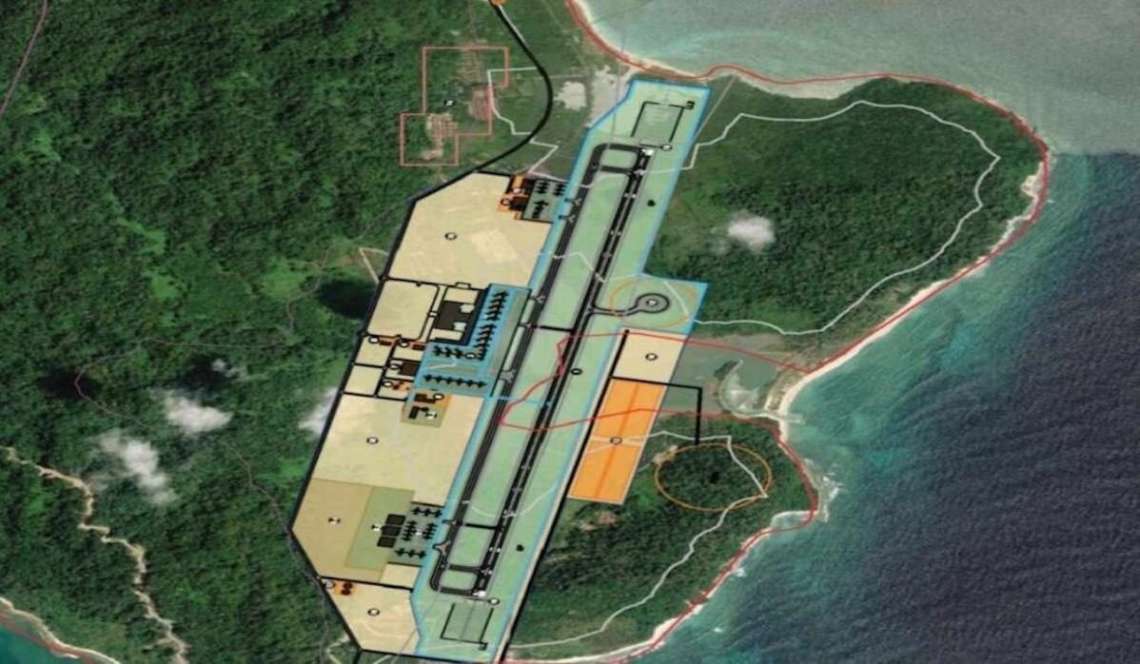
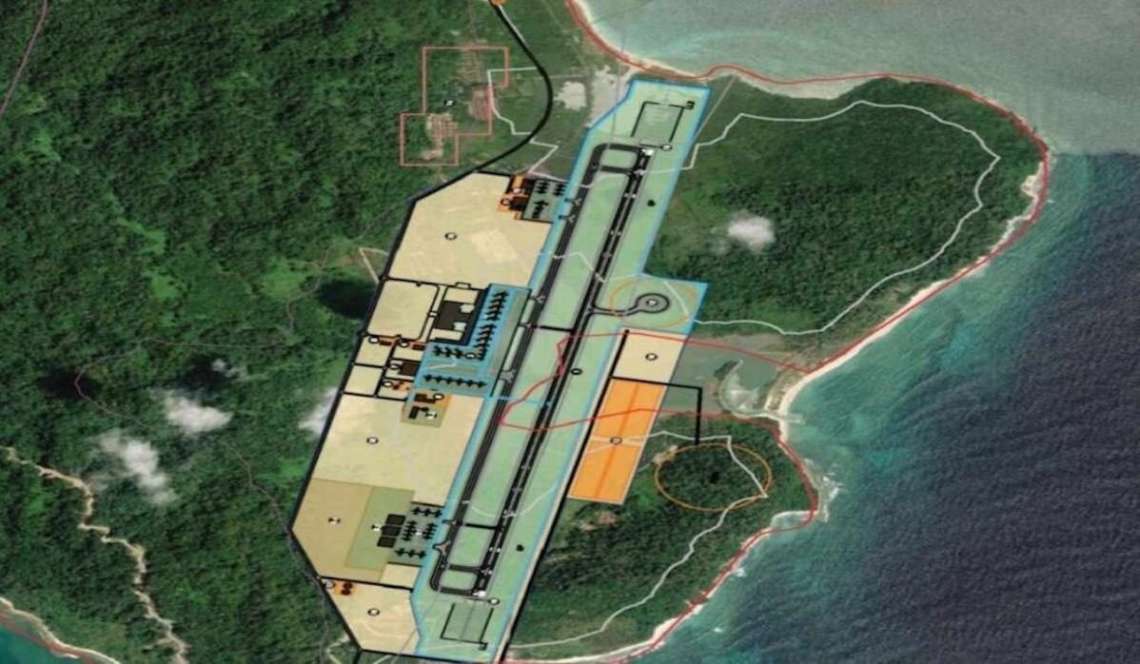
The project also includes a greenfield international airport, a 450 MVA gas–solar hybrid power plant, and a planned township to support economic activity and population growth linked to port-led development. Officials say the airport will improve connectivity and unlock tourism potential, with passenger capacity projected to rise from an initial one million to nearly 10 million annually in the long term. The island’s proximity to global tourist destinations such as Phuket and Langkawi is seen as an added advantage.
Government sources maintain that environmental safeguards have been built into the project framework. They note that only 1.82 per cent of the island’s forest cover is proposed for diversion, with compensatory afforestation planned over a significantly larger area. Authorities have also stressed that tribal welfare remains central, with no displacement of Shompen and Nicobarese communities and provisions to expand notified tribal reserve areas.
A green backlash
However, the project has drawn strong criticism from the opposition. Rahul Gandhi, Leader of the Opposition in the Lok Sabha, has alleged that the initiative could lead to large-scale deforestation, displacement, and ecological damage. After visiting the island, Gandhi described the development as “destruction dressed in development’s language,” warning that it could result in the loss of vast tracts of rainforest and undermine indigenous rights.
He further alleged that land was being taken from local communities and handed over to large corporate interests, while claiming that compensation mechanisms for settlers and tribal populations were inadequate. Gandhi also raised concerns about administrative functioning in the region, accusing local authorities of a lack of accountability and responsiveness.
“The main issue here is ecological theft,” he said, arguing that the environmental cost of the project far outweighs its projected benefits. He termed the initiative one of the “biggest scams” affecting India’s natural and tribal heritage and called for greater public scrutiny.
The government has rejected such claims, maintaining that the project is essential for India’s long-term economic and strategic interests. It argues that strengthening domestic transshipment capacity will help retain revenue, reduce logistical dependence on foreign ports, and improve supply chain resilience in a rapidly changing global environment.
Officials have also highlighted broader development efforts in the Andaman and Nicobar Islands, including infrastructure upgrades, tourism initiatives, and environmental programmes. Recent projects inaugurated by Amit Shah have been presented as part of a wider push to develop the region as a hub for economic activity, tourism, and maritime security.