Trump backs UAE’s OPEC exit as a boost for lower fuel prices, but analysts warn the move may trigger volatility rather than immediate relief in global markets….reports Asian Lite News
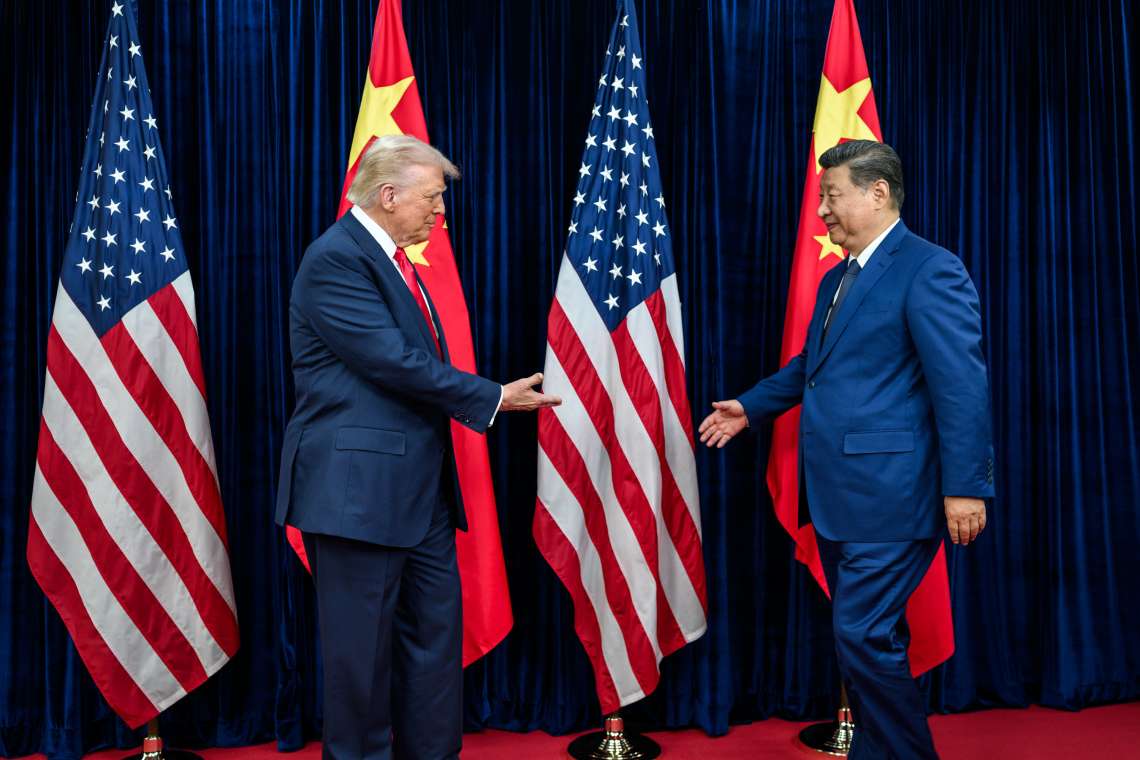
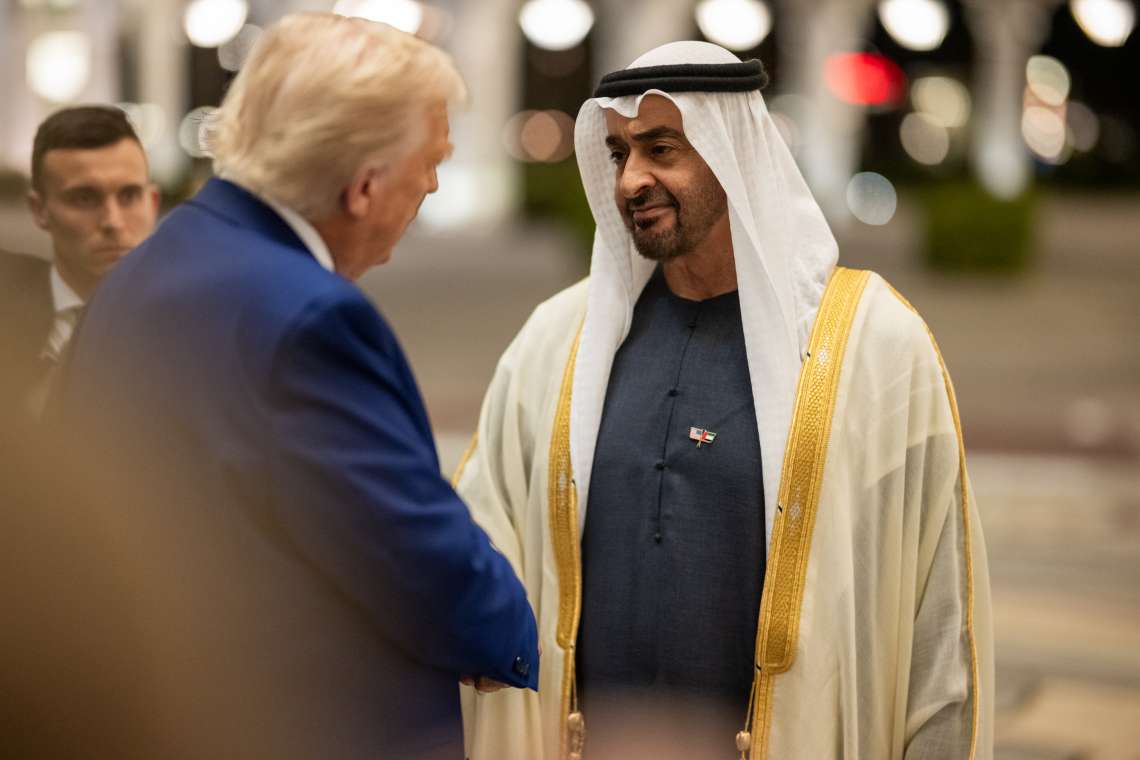
US President Donald Trump has welcomed the decision by the United Arab Emirates to exit the OPEC and the wider OPEC+ framework, suggesting the move could help ease global fuel prices at a time of heightened energy market uncertainty.
Speaking to reporters, Trump praised UAE President Mohammed bin Zayed Al Nahyan, describing him as a “smart leader” and indicating that the Gulf nation’s decision to pursue an independent oil production strategy could have positive implications for consumers worldwide. “It’s a good thing for getting the price of gas down, getting oil down,” Trump said, framing the development as a potential shift away from coordinated supply controls that have historically supported higher prices.
The UAE’s exit, announced earlier this week, marks a significant moment in the evolution of global energy governance. As OPEC’s third-largest producer, the country’s departure raises questions about the cohesion and long-term effectiveness of producer alliances that have sought to regulate output and stabilise markets. Analysts note that Abu Dhabi has increasingly pushed for greater flexibility in recent years, particularly as it expands production capacity and seeks to maximise returns from its hydrocarbon reserves.
However, market experts caution that the immediate impact on oil prices is far from straightforward. A report by ASK Wealth Advisors suggests that while the move could eventually weaken coordinated supply discipline, short-term effects may be shaped more by geopolitical tensions and existing supply constraints. The global oil market remains sensitive to disruptions, particularly those linked to the Strait of Hormuz, a critical chokepoint for energy shipments that has faced instability amid regional conflicts.
The report highlights that reduced coordination within OPEC+ could erode what is often described as the “cartel premium” — the price support derived from collective output management. Over time, this may result in a broader and more volatile trading range for crude oil rather than a clear downward trajectory. Investors, it warns, should avoid simplistic assumptions about price movements in an already complex and risk-laden market environment.
Economists have also raised concerns about the broader implications of the shift. Jeffrey Sachs cautioned that escalating geopolitical tensions combined with volatile energy prices could pose significant risks to the global economy. He described the UAE’s exit as a “strategic mistake,” arguing that coordinated supply management remains critical during a period of energy transition and geopolitical instability. Sachs warned that oil prices, already elevated above $100 per barrel in recent months, could surge further if supply disruptions persist.
The UAE’s decision is rooted in a combination of strategic and economic considerations. Having significantly expanded its production capacity, the country has increasingly found itself constrained by OPEC+ quotas. With global demand remaining resilient and energy security concerns intensifying, the opportunity cost of limiting output has grown. By stepping outside the alliance, Abu Dhabi gains the flexibility to adjust production in line with its national priorities.
Geopolitical factors have also played a role. Tensions in the Gulf, including disruptions linked to Iran and vulnerabilities in shipping routes, have underscored the challenges of adhering to production limits during periods of crisis. Infrastructure such as the Abu Dhabi Crude Oil Pipeline has provided some resilience, but analysts say it also highlights the need for greater autonomy in managing supply.
While the UAE is unlikely to flood the market with excess oil — a move that could destabilise prices and strain long-term customer relationships — its gradual increase in production could test the ability of remaining OPEC+ members, particularly Saudi Arabia, to maintain market balance.