China and US push for stability ahead of Trump’s Beijing visit, with Wang Yi stressing cooperation while warning Taiwan remains the most sensitive flashpoint in ties….reports Asian Lite News
China’s top diplomat Wang Yi and United States Secretary of State Marco Rubio held a high-level phone conversation on Thursday, focusing on stabilising bilateral ties and laying the groundwork for US President Donald Trump’s upcoming visit to China.
According to a statement released by China’s foreign ministry, the discussion underscored the importance of sustained engagement between the world’s two largest economies at a time of heightened geopolitical uncertainty. Wang emphasised that direct interactions between national leaders have historically served as the backbone of China-US relations, helping to steer the relationship through periods of tension.
He noted that under the leadership of Chinese President Xi Jinping and President Trump, bilateral ties have managed to retain a degree of stability despite persistent disagreements on trade, security, and regional issues. Wang described this stability as “hard-earned” and said it had delivered benefits not only to both countries but also to the wider international community.
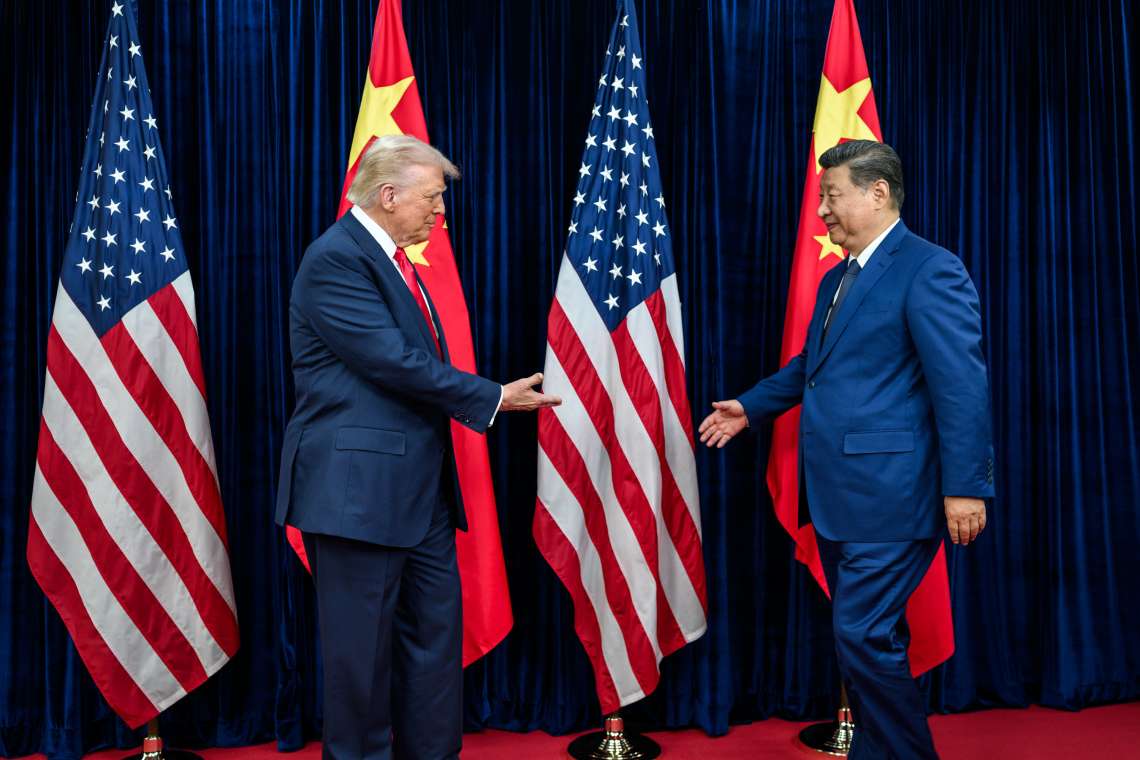
With Trump scheduled to visit Beijing on May 14 and 15, both sides appear keen to ensure that the high-stakes summit produces tangible outcomes. The visit had earlier been postponed due to US military operations in Iran, but its rescheduling signals renewed diplomatic momentum. Trump has also indicated that a reciprocal visit by Xi Jinping to Washington is expected later in the year, suggesting a broader effort to re-establish regular high-level exchanges.
During the call, Wang urged both sides to intensify preparations for the forthcoming meeting and to expand areas of cooperation while carefully managing longstanding differences. He called for a relationship rooted in mutual respect, peaceful coexistence, and what Beijing describes as “win-win cooperation”—language that reflects China’s preferred framework for engaging with major powers.
However, the conversation also highlighted enduring flashpoints. Wang reiterated that the issue of Taiwan remains at the core of China’s national interests and represents the most significant risk factor in its relationship with the United States. He urged Washington to honour its commitments and adopt what he termed “the right approach” to avoid further escalation.
The Taiwan question has consistently been a source of friction between Beijing and Washington, with the US maintaining unofficial ties with Taipei while adhering to its long-standing “One China” policy. Recent years have seen increased military and diplomatic activity around the Taiwan Strait, raising concerns about regional stability.
Rubio’s engagement with Wang signals continued diplomatic efforts by Washington to keep communication channels open, even as strategic rivalry deepens. While the US has emphasised the need to manage competition responsibly, it has also maintained pressure on China over issues ranging from trade practices to security concerns in the Indo-Pacific.
For both sides, the upcoming summit represents an opportunity to recalibrate ties that have been marked by both cooperation and confrontation. Analysts say the emphasis on stability reflects a shared recognition that prolonged tensions between the two powers could have far-reaching implications for global markets, security frameworks, and international governance.
Wang concluded the call by stressing that a stable and constructive China-US relationship would not only serve the interests of both nations but also contribute significantly to global peace and development. The tone of the conversation suggests cautious optimism, even as deep structural differences remain unresolved.
As preparations intensify for Trump’s visit, the focus will be on whether diplomatic engagement at the highest level can translate into meaningful progress on some of the most contentious issues shaping the 21st-century geopolitical landscape.