India and Indonesia have strengthened defence ties with missile agreements worth an estimated USD 630 million…reports Asian Lite News Desk
ndia and Indonesia have reinforced their strategic partnership with a series of defence agreements during Prime Minister Narendra Modi’s recent visit to Jakarta, with a report suggesting the cooperation strengthens Indonesia’s strategic autonomy in the Indo-Pacific while highlighting the two countries’ balanced foreign policy approach.
According to a report published by Eurasia Review, Prime Minister Modi’s visit to Indonesia from July 6 to 8 was the most significant leg of his broader tour of Indonesia, New Zealand and Australia, resulting in agreements that deepen defence and strategic cooperation between New Delhi and Jakarta.
The report said both countries have demonstrated that close cooperation between major regional powers is possible while maintaining productive relationships with competing global powers, including the United States and Russia, without becoming dependent on either.
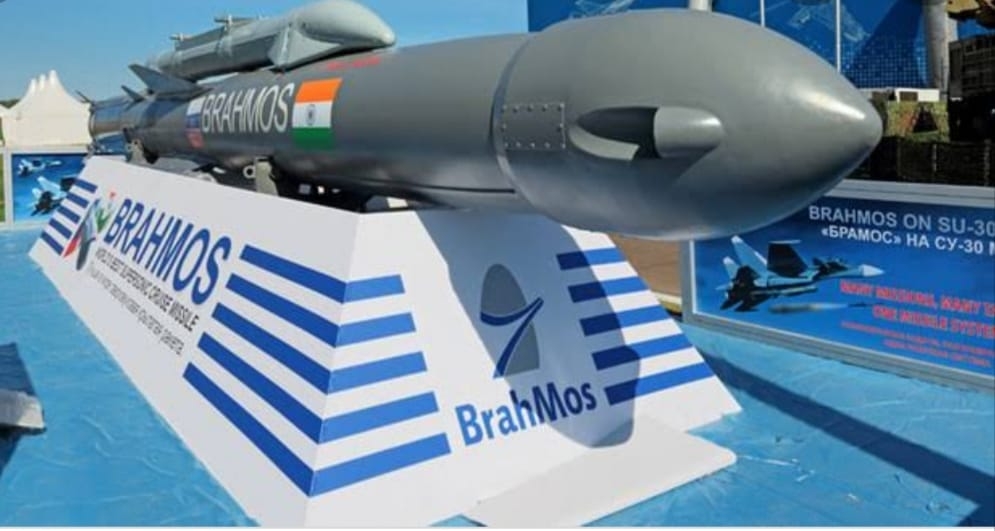
Among the key outcomes of the visit were two defence agreements involving Indonesia’s planned procurement of the BrahMos supersonic cruise missile system and Indian-made air-to-air missiles. The combined value of the deals has been estimated at around USD 630 million, according to the report.
Eurasia Review noted that India has already exported the BrahMos missile system to the Philippines and Vietnam. Developed by Indian engineers with support from Russian specialists, the missile can be launched from land-based platforms, warships, submarines and combat aircraft, and is capable of travelling at speeds of up to Mach 3.
According to the report, the timing of the agreements was significant as they were signed a day after China conducted a test launch of a long-range ballistic missile.
It said Indonesia could deploy the BrahMos system to strengthen the defence of its extensive coastline and safeguard maritime routes in the South China Sea and the Strait of Malacca, areas that have growing strategic importance amid regional security tensions.
The report argued that the acquisition of Indian missile technology enhances Indonesia’s ability to pursue an independent foreign and defence policy.
“The acquisition of Indian missile technology enhances Indonesia’s strategic autonomy in the broader Indo-Pacific region. More precisely, Indonesia has no intention of becoming anyone’s satellite state—neither China’s nor America’s,” it stated.
According to Eurasia Review, Indonesia also underscored the importance it attaches to its relationship with India through two symbolic gestures during Prime Minister Modi’s visit.
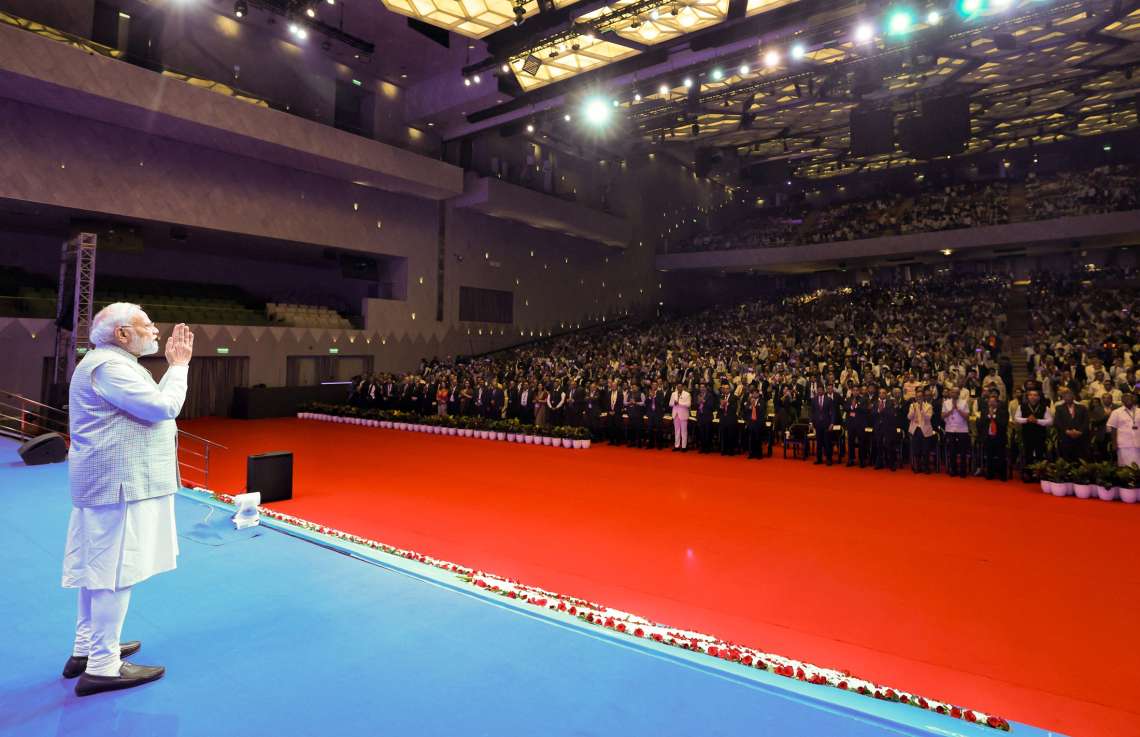
Indonesian President Prabowo Subianto conferred the country’s highest civilian honour, the Bintang Adipurna, on Prime Minister Modi. Accepting the award, Modi said it “belongs to the people of India” and reflected the enduring friendship between the two nations.
The report also highlighted Indonesia’s decision to invite Modi to address the People’s Consultative Assembly (MPR), noting that such invitations are extended to foreign leaders only on rare occasions.
According to Eurasia Review, the honours reflected Jakarta’s recognition of India’s growing strategic importance in the region as both countries continue to expand cooperation across defence, security and diplomacy.