Iran’s parliament has approved the general framework of a strategic action plan aimed at ensuring security and sustainable development around the Strait of Hormuz and the Gulf….reports Asian Lite News Desk
Iran’s parliamentary national security and foreign policy committee has approved the general outlines of a strategic action plan aimed at ensuring the security and sustainable progress of the Strait of Hormuz and the Gulf.
The plan was discussed during a committee meeting and approved without opposition, according to committee spokesperson Hassan Qashqavi. Lawmakers reviewed submissions from relevant Iranian bodies before endorsing the general framework.
The legislation was formally introduced in parliament on July 13, according to Iran’s official news agency IRNA.
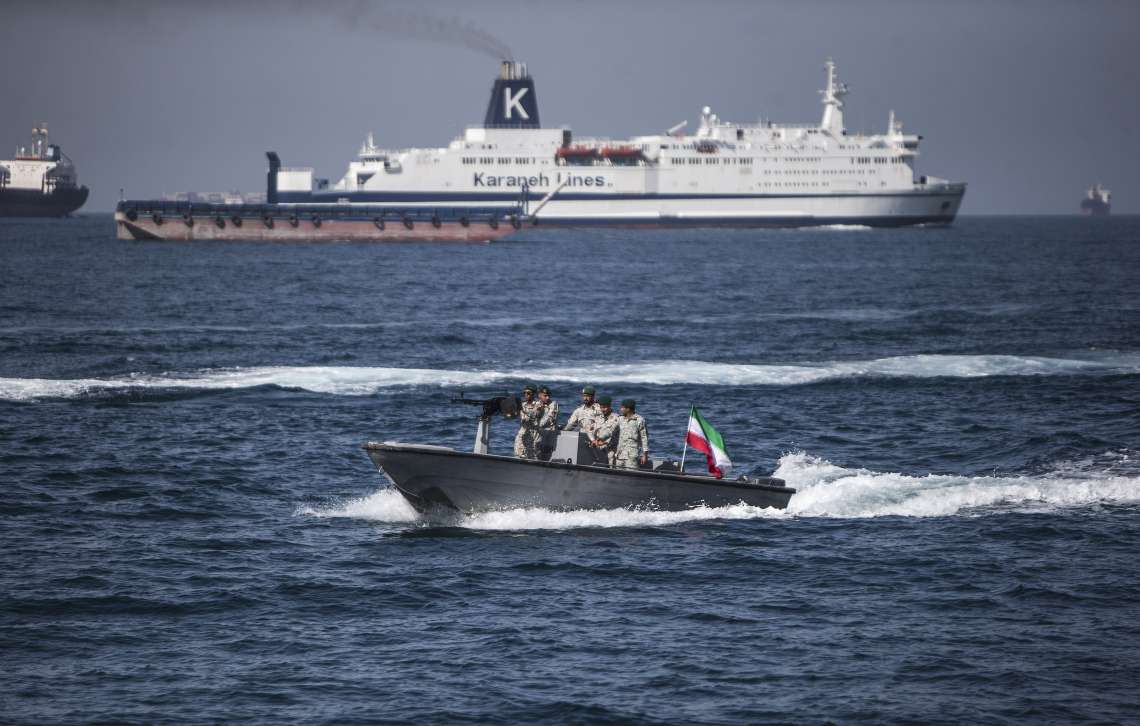
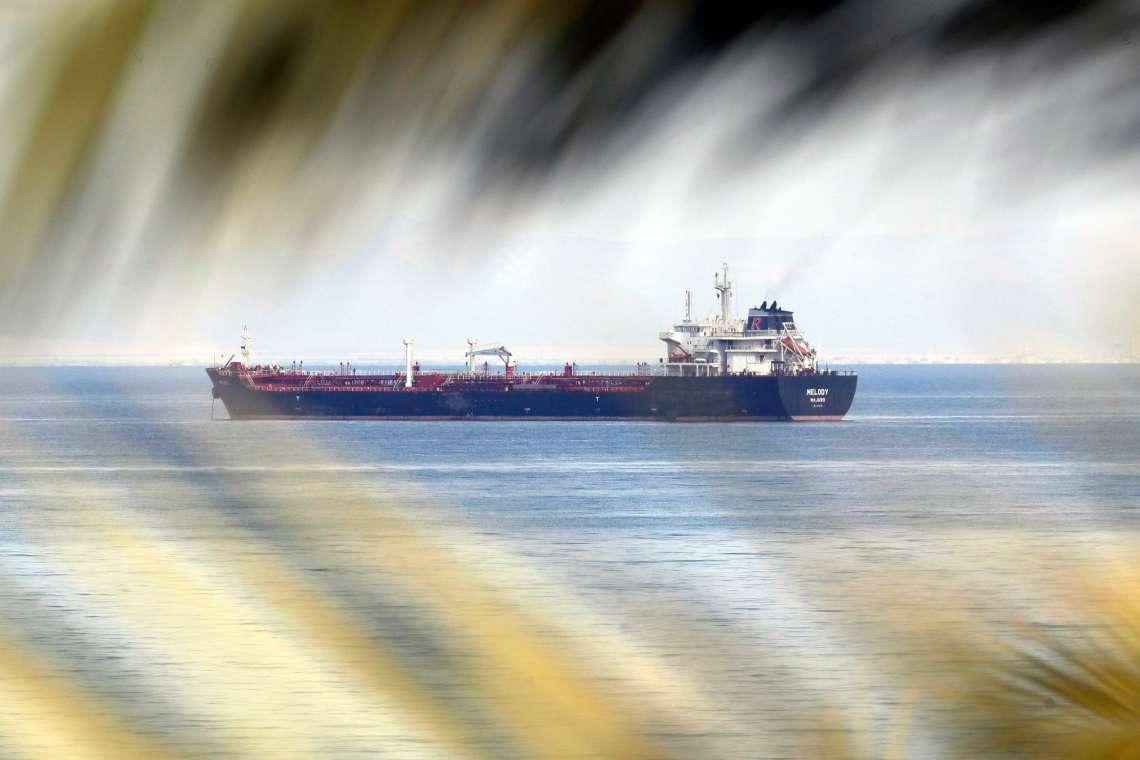
The development comes against the backdrop of heightened tensions surrounding the strategically important waterway, through which a significant share of global oil shipments passes.
Iran tightened restrictions on the strait on February 28, barring safe passage for vessels belonging to or affiliated with Israel and the United States following joint strikes on Iranian territory.
Tensions have since continued to affect maritime security and relations between Tehran and Washington.
In June, Iran and the United States signed a memorandum of understanding on ending the war on all fronts, including Lebanon. The two sides were expected to hold negotiations within a 60-day period to work towards a final agreement.
However, renewed escalation in the region has cast uncertainty over the future of those talks.
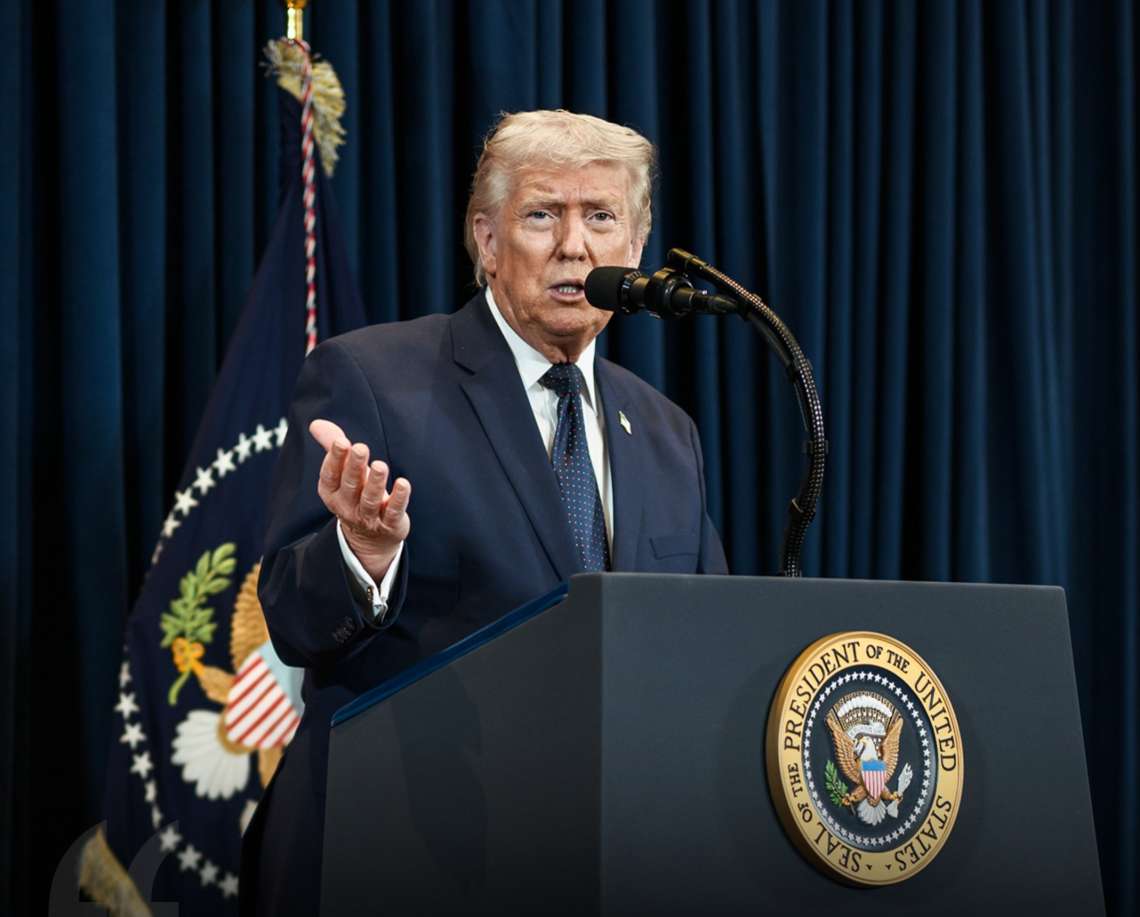
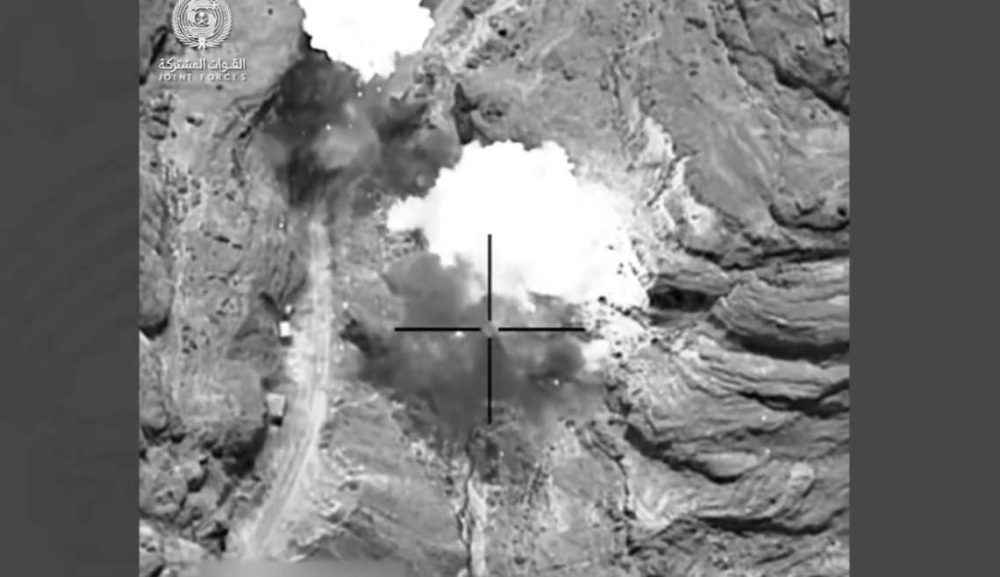
In July, the US military launched multiple waves of strikes against Iranian targets. Washington said the strikes were in response to Iranian attacks on vessels in the Strait of Hormuz and were intended at “degrading Iran’s ability to threaten commercial shipping.”
Iran subsequently responded with missile and drone strikes against US military bases and facilities in the region.
The latest parliamentary action also comes as Iran and Oman work on maritime arrangements for the waterway.
The two countries have been negotiating for several weeks over an agreement to designate a new route through the strait for safe maritime traffic.
The Strait of Hormuz connects the Persian Gulf with the Gulf of Oman and the Arabian Sea, making it a strategically important route for regional and international shipping.
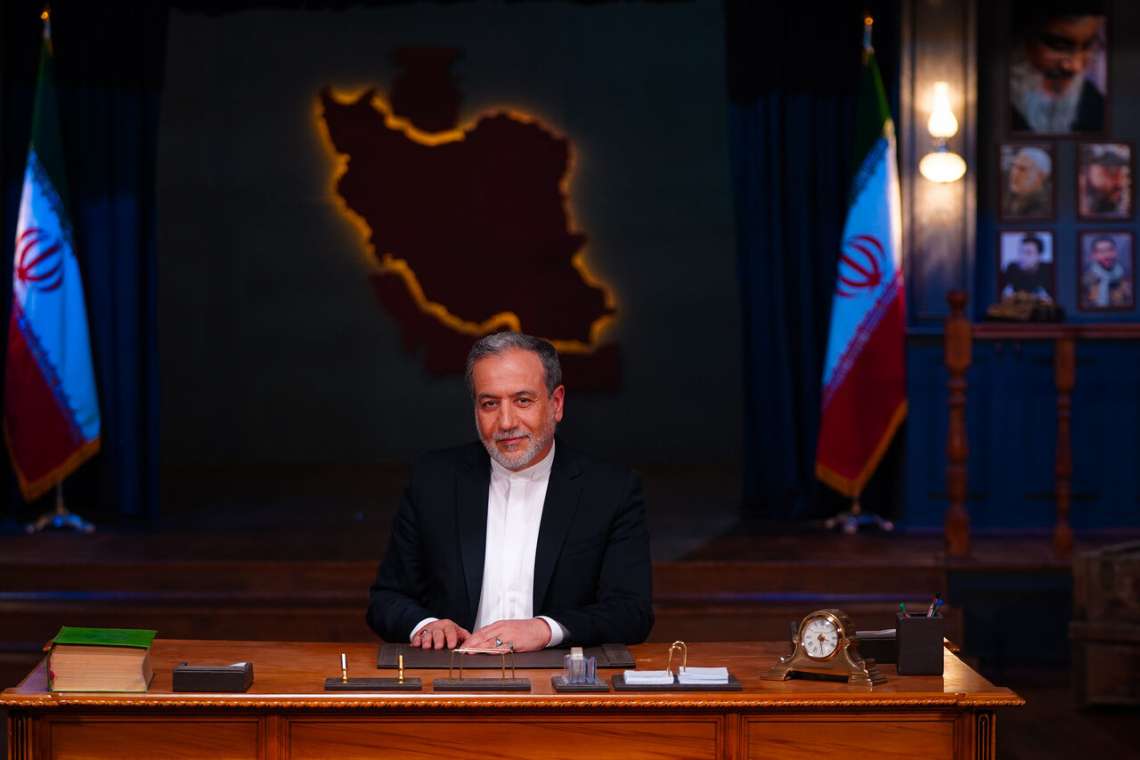
Meanwhile, Iranian Foreign Minister Seyyed Abbas Aragchi has said there are currently no negotiations taking place between Iran and the United States.
Speaking to reporters at the Centre for Political and International Studies of Iran’s Ministry of Foreign Affairs, Aragchi said intermediaries were continuing efforts to find a way to restart negotiations.
“We currently have no negotiations with the United States. Intermediaries are still making efforts to find ways to resume negotiations. From our perspective, there can be no resumption of talks until the United States ends its violations of the Memorandum of Understanding (MoU) and makes amends for the breaches it has committed,” Aragchi said.
He reiterated that Tehran would not consider resuming talks until it believed the United States had addressed what Iran considers violations of the memorandum.
“Until the violations of the memorandum of understanding by the United States are ended and the United States does not make amends for what it has violated, in our opinion, there is no possibility of resuming negotiations,” he noted.
The comments were reported by Iran’s semi-official Tasnim News Agency.
The parliamentary committee’s approval of the Hormuz security plan adds another layer to Iran’s response to the continuing regional tensions, particularly over maritime security and relations with the United States.
The plan will now move forward within Iran’s legislative process as Tehran continues to focus on securing the strategic waterway and managing the wider security situation in the Gulf.