Islamabad’s mediation push comes as the country battles energy shortages, inflation and dependence on an IMF bailout programme…reports Asian Lite News
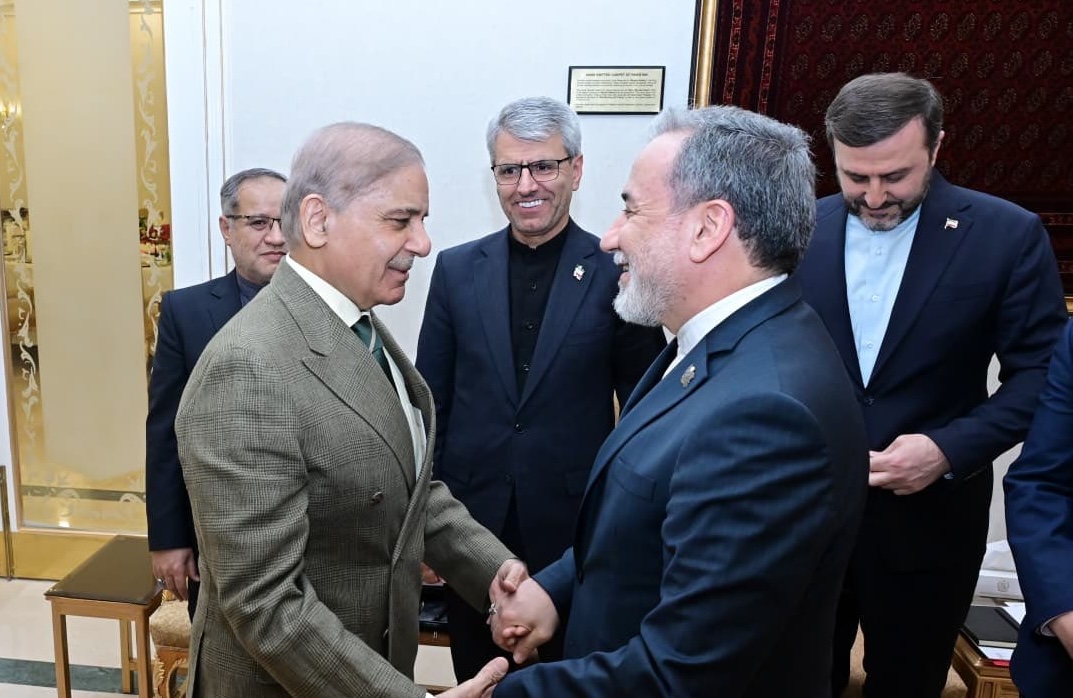
Pakistan’s diplomatic efforts to resolve the US-Iran conflict are driven not only by geopolitical interests but also by urgent economic needs, according to a recent report.
Successful mediation could mitigate risks to oil and gas prices, relieve pressure on the electricity sector, stabilise relations with Gulf states, and expand economic opportunities with Iran, as stated in a report on www.calcalistech.com.
Pakistan, an energy importer, relies heavily on Gulf state ties and is currently under an IMF bailout programme. It is pursuing mediation while depending on a $7 billion IMF programme, with its central bank aiming to boost foreign exchange reserves to about $18 billion by the end of June.
“This is a large economy with significant potential, but one that remains highly sensitive to external shocks,” the report noted.

Official data shows that oil comprised 16.64 per cent of Pakistan’s imports in the first quarter of its fiscal year.
“Any increase in oil prices or disruption to shipping directly affects inflation and the currency. For a government attempting to stabilise prices and restore economic confidence, volatility in the regional energy market becomes an immediate challenge,” the report added.

Pakistan is also heavily reliant on the Gulf for liquefied natural gas (LNG), particularly from Qatar, and the ongoing conflict has exposed this vulnerability.
Additionally, the country’s electricity shortage has reportedly doubled to 3,400 megawatts, with some northern areas experiencing power outages of up to seven hours daily.
The Pakistani Ministry of Commerce has noted that “due to the lack of formal banking channels with Iran, some transactions still take place through barter.” Thus, “Pakistan has a clear interest in preventing tensions between Washington and Tehran from escalating into a prolonged conflict,” the report concluded.