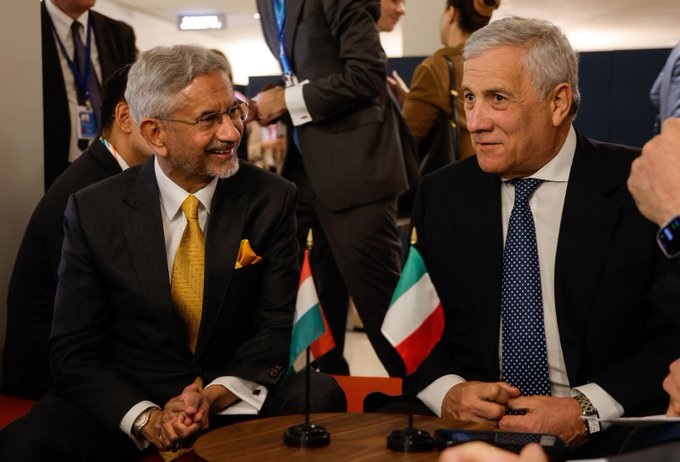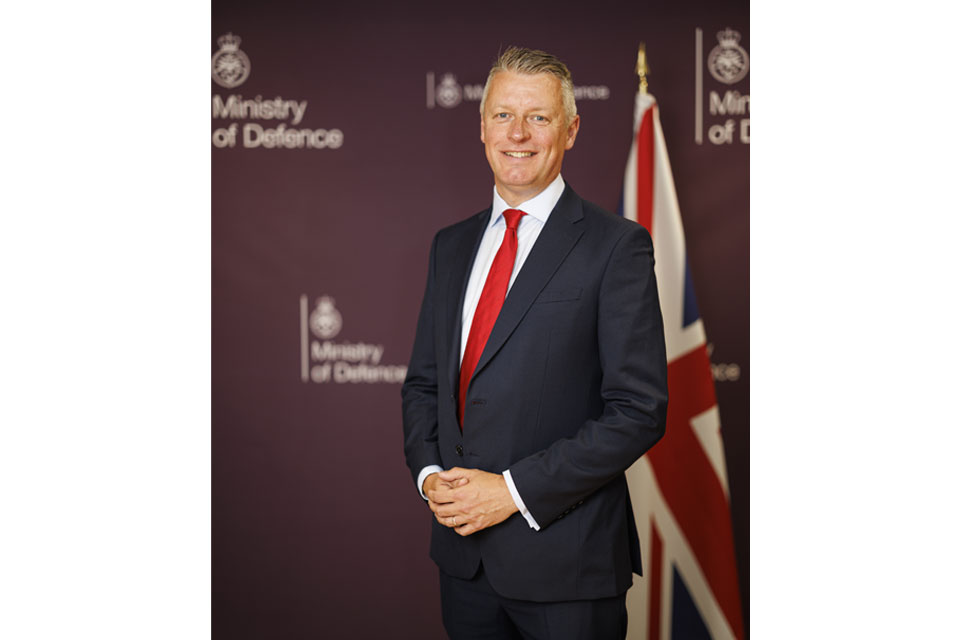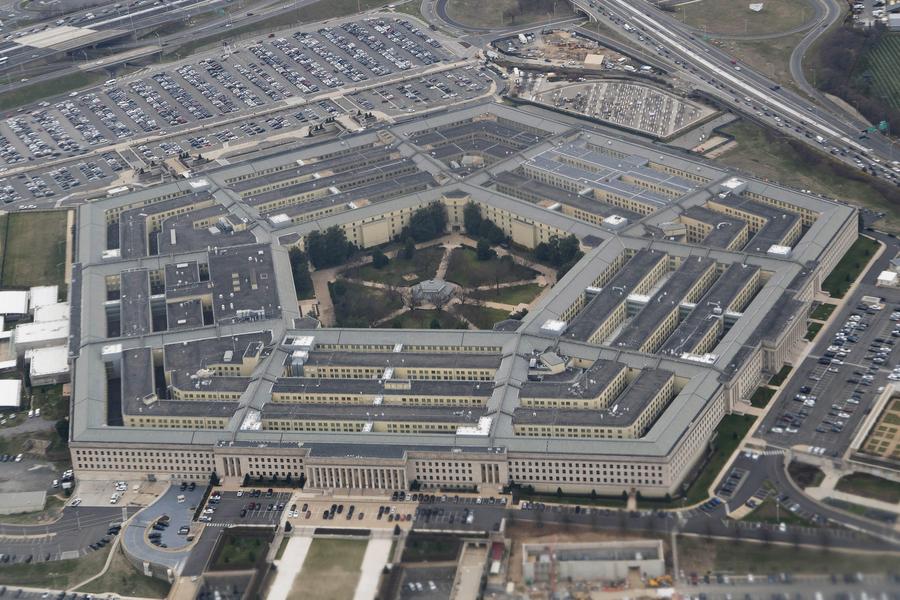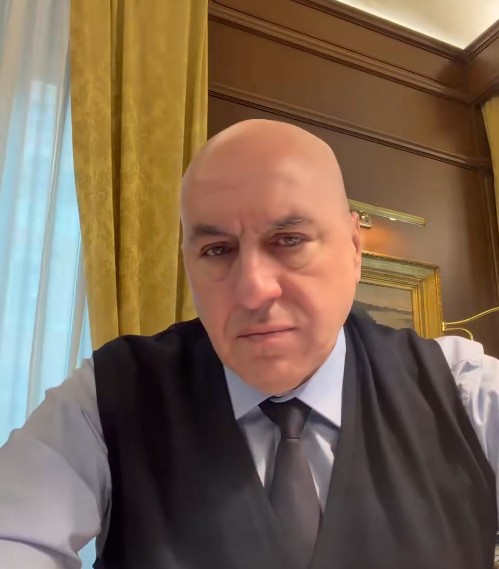
Italy’s Defence Minister Guido Crosetto has criticised US President Donald Trump’s recent comments about Italy and NATO, saying he does not understand the US leader’s approach.
Crosetto insisted relations between Rome and Washington remain strong despite tensions over US actions linked to the Strait of Hormuz…reports Asian Lite News Desk
Italy’s Defence Minister Guido Crosetto has said he does not understand US President Donald Trump’s recent attitude towards Italy, while stressing that the relationship between the two countries remains strong.
Speaking on the Caffe della domenica programme on Radio 24, Crosetto said Italy’s ties with the United States were not dependent on individual governments or leaders.
“Our bond with the United States does not depend on governments, on Prime Ministers; it is deep and very solid. I don’t understand Trump’s attitude these days also because it seemed to me from what I had seen on television that there were no problems in relations with Italy,” Crosetto said, according to Italian news agency Adnkronos.
The minister said his own relations with US officials had remained unchanged, including with the American ambassador to Italy.
“My relations with the United States, even in these hours, are always absolutely normal and have not changed…. they have not altered, including those with the American ambassador in Italy, with whom relations are excellent and who I think is also in great difficulty these days,” he said.
Crosetto said some of Trump’s positions appeared to come from his own views, but argued that Italy had not given the US any reason for criticism from a defence perspective.
“Many of Trump’s attitudes stem from his own reflections….perhaps often not shared, but there is nothing from a defence point of view, nor from other points of view, that can be attributed to Italy,” he said.
He added that Italy had contributed significantly compared with other European countries, including through the use of military bases, and said Rome had respected existing agreements.
“Compared to other European nations, we have done much more, even just in the use of bases: where we have fully respected the treaties, other nations have decided not to respect them and have denied their use,” Crosetto said.
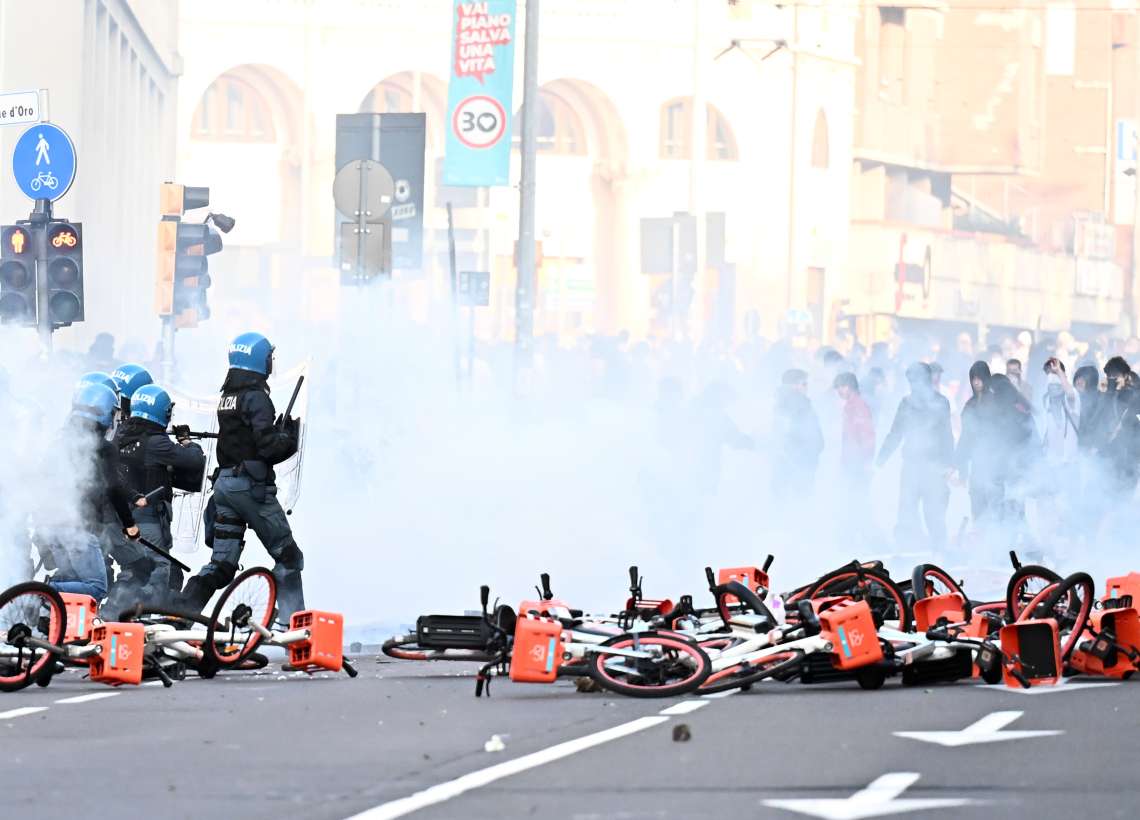
The comments came after Trump criticised Italy and NATO in relation to support for US actions connected to the Strait of Hormuz over the past 48 hours.
Crosetto said international relations had become increasingly unpredictable in recent years, particularly between the United States and other countries, as well as in dealings involving Iran.
“Unfortunately, in recent years, we have been accustomed to a series of ups and downs in international relations, even more so in relations between the United States and other countries and Iran,” he said.
He added that a recent memorandum was not the conclusion of the diplomatic process.
“It’s not easy, it won’t be easy, and this memorandum signed a few days ago is not the end of a path that will still be very long,” Crosetto said.
Discussing Italy’s potential role in the post-war management of the Strait of Hormuz, Crosetto said Italian forces were prepared but any mission would require approval and specific conditions.
“From the point of view of defence and military, we are absolutely ready; every mission of this type requires significant preparation and organisation,” he said.
Crosetto said Italian ships, including minehunters, were already positioned in Djibouti and ready to act if parliamentary authorisation was granted and required conditions were met.
He stressed that Italy’s role would not involve taking part in a military confrontation.
“We are not sending ships to wage war, but we are sending ships to carry out a humanitarian demining operation, therefore not prepared to confront someone who might attack you or perceive you as hostile,” he said.
The United States and Iran are currently engaged in direct talks following the signing of a memorandum of understanding, with discussions focused on achieving a stable peace and reaching an agreement over Tehran’s nuclear programme.