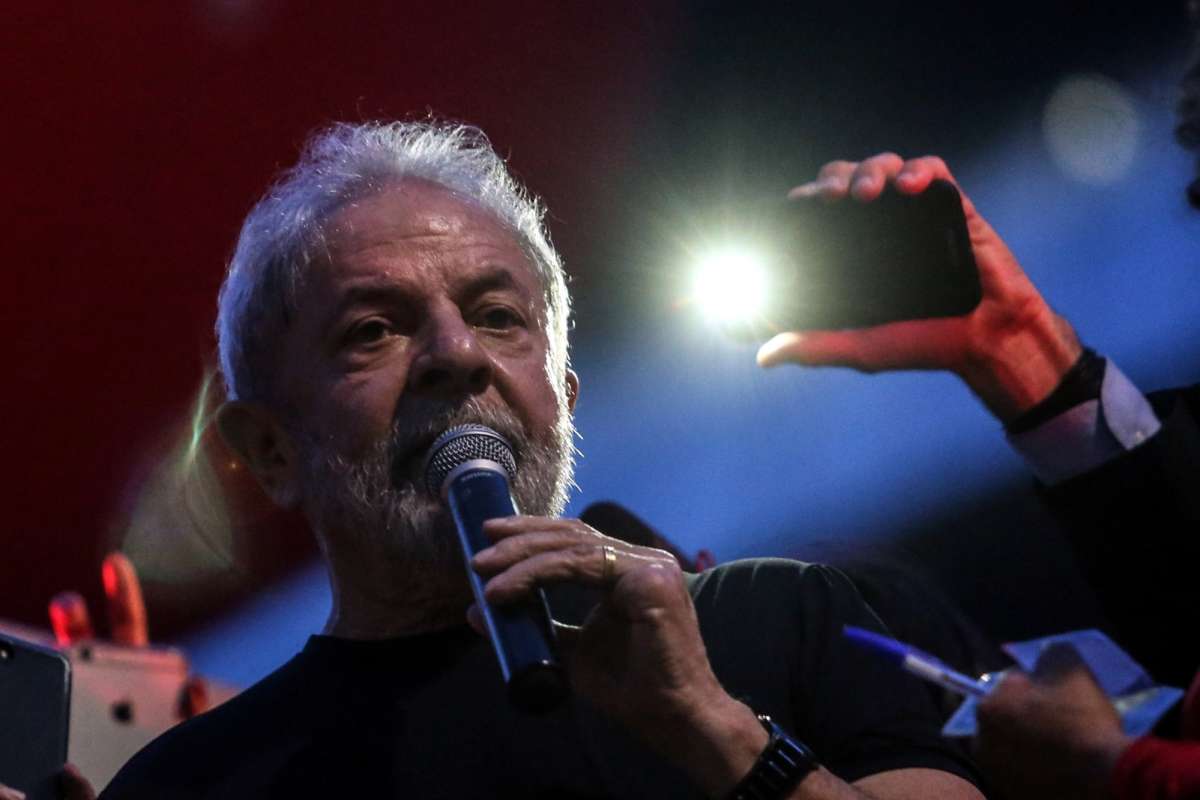
Brazilian President Luiz Inacio Lula da Silva has criticised US President Donald Trump’s proposal to impose a 20 per cent toll on commercial ships transiting the Strait of Hormuz, calling it an act of “piracy”….reports Asian Lite News Desk
Brazilian President Luiz Inacio Lula da Silva has accused US President Donald Trump of turning the United States into a “pirate” state after Washington announced plans to impose a 20 per cent toll on commercial ships transiting the Strait of Hormuz, one of the world’s most strategically important maritime routes.
The criticism followed Trump’s announcement on Monday that the United States would assume the role of “GUARDIAN OF THE HORMUZ STRAIT” and begin collecting a 20 per cent fee from ships passing through the waterway.
The proposed policy marks a significant shift in Washington’s position. Less than a month earlier, US Secretary of State Marco Rubio had argued that no country has the authority to charge vessels for using the Strait of Hormuz, describing it as an international waterway protected under international law.
Speaking at a public event in São Paulo state on Monday, Lula strongly criticised Trump’s proposal, saying it amounted to piracy.
“President Trump tweeted that he will unblock the Strait of Hormuz. But for every ship… the oil owner must pay him 20 per cent. This used to be considered piracy,” Lula said.
“A major nation like the United States… cannot now become a pirate,” the Brazilian president added.
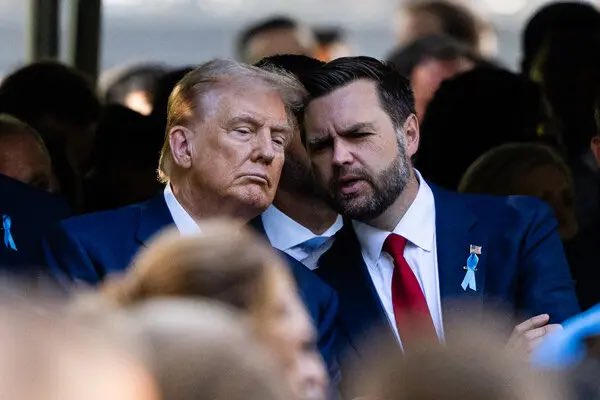
Lula’s remarks came hours after Trump announced not only the new transit charges but also the return of a naval blockade targeting Iranian ships and vessels trading with Tehran. According to the announcement, commercial shipping not linked to Iran would continue to be allowed through the strategic waterway.
The Strait of Hormuz is one of the world’s busiest maritime chokepoints and serves as a critical route for global oil and gas shipments. Any disruption to navigation through the strait has the potential to affect global energy markets and international trade.
Trump’s latest proposal has also renewed attention on comments made by Rubio on June 23.
At the time, the US Secretary of State had said: “No country is allowed to charge tolls or fees on an international waterway. That’s existing international law.”
Rubio’s earlier position appears to conflict directly with the new policy announced by Trump, which would require commercial vessels to pay Washington for passage through the strait.
Following Trump’s announcement, the United Nations’ International Maritime Organization also reiterated its legal position, stating that there is “no legal basis” for imposing mandatory transit fees on ships using international straits.
Lula also linked the latest developments in the Gulf region to the economic challenges facing Brazil, arguing that rising tensions have already contributed to higher oil prices and increased costs for consumers.
According to the Brazilian president, the impact has extended beyond fuel prices to essential food items, including beans, rice, tomatoes and onions.
The Brazilian government has introduced temporary measures aimed at shielding consumers from rising fuel costs following the renewed conflict involving Iran. It is also using revenue generated from a tax on crude oil exports, introduced earlier this year, to help offset some of the economic impact.
The proposed US toll policy is likely to draw further international scrutiny as governments and maritime organisations examine its compatibility with international maritime law and its potential implications for global shipping and energy markets.