India plans to use the proposed in absentia trial of Lashkar-e-Taiba chief Hafiz Saeed to strengthen its case against Pakistan before FATF, Interpol and the UN…reports Asian Lite News Desk
The National Investigation Agency’s (NIA) decision to name Lashkar-e-Taiba (LeT) chief Hafiz Saeed in the chargesheet filed in connection with the Pahalgam terror attack is expected to form the basis of a wider diplomatic and legal campaign against Pakistan at international forums, officials said.
According to officials, India intends to pursue an in absentia trial against Saeed, a move they believe will strengthen its case before bodies such as the Financial Action Task Force (FATF), Interpol and the United Nations Security Council (UNSC).
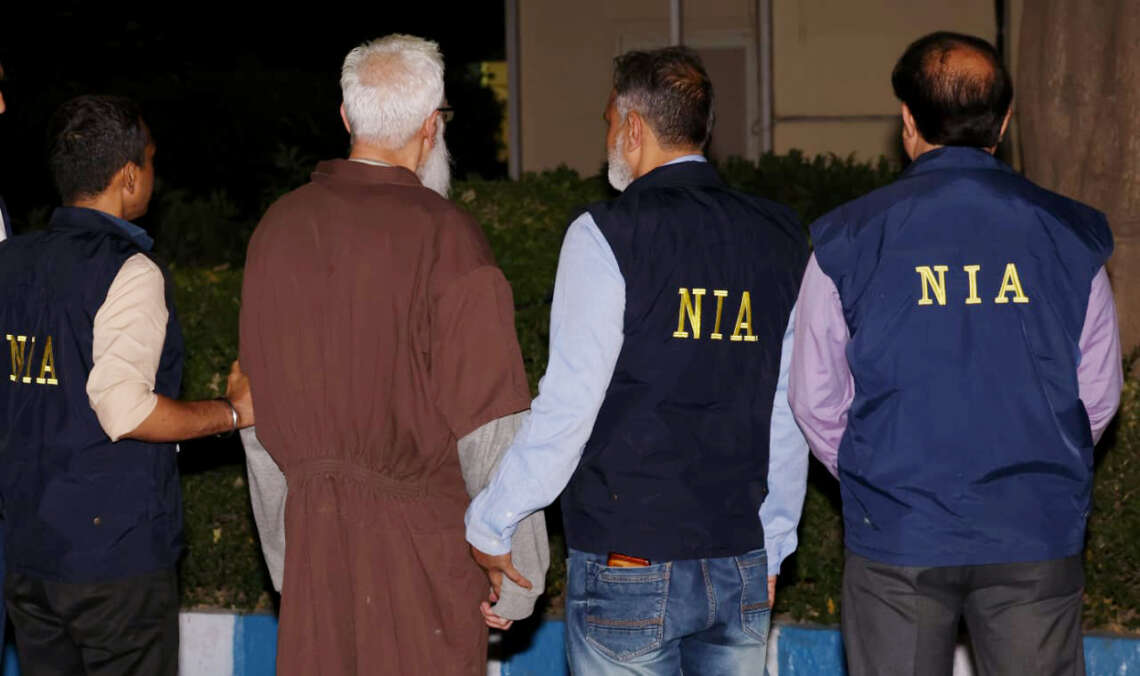
Officials said the first legal step would be for the NIA to seek a non-bailable warrant against Saeed. This would be followed by a court proclamation directing him to appear before the designated court hearing the case.
They said it is expected that Saeed will not respond to the summons or appear before the court. His failure to do so, despite being formally notified, could lead to him being declared a proclaimed offender under Indian law.
According to officials, such a declaration, followed by any eventual conviction, would strengthen India’s existing case against Saeed before Interpol. They noted that Saeed is already subject to a Red Corner Notice (RCN), and additional judicial findings could reinforce India’s efforts to seek international action against him.
Officials also said the legal proceedings would challenge Pakistan’s longstanding position that India’s allegations against Saeed are politically motivated and unsupported by evidence.
An Intelligence Bureau official said Pakistan has consistently rejected India’s requests for Saeed’s extradition, maintaining that New Delhi has failed to provide sufficient evidence. The official said Islamabad adopted a similar stance following the 2008 Mumbai terror attacks.
According to officials, the investigation into the Pahalgam attack and the subsequent trial are expected to create a detailed legal record that would make it more difficult for Pakistan to deny Saeed’s presence in the country or explain why action has not been taken against him if he is convicted and declared a proclaimed offender.
Officials also linked the legal proceedings to India’s broader counter-terrorism strategy following the Pahalgam attack.
They referred to Operation Sindoor, launched after the attack, during which Indian armed forces targeted what New Delhi described as terrorist infrastructure, including Jaish-e-Mohammed’s headquarters in Bahawalpur and Lashkar-e-Taiba’s training facility in Muridke.
According to officials, the operation marked a shift in India’s security doctrine, with New Delhi declaring that acts of terrorism originating from Pakistan would be treated as acts of war rather than cross-border terrorism.
Officials described the proposed trial in absentia as another significant element of that strategy. They said that while Saeed is unlikely to appear before the court, the legal proceedings would formally document Pakistan’s alleged unwillingness to cooperate.
According to officials, all legal communications, including summonses and Letters Rogatory, would be routed through official diplomatic channels. The NIA would send the documents through the Ministry of Home Affairs and the Ministry of External Affairs to the Indian High Commission in Islamabad, which would then forward them to Pakistan’s Foreign Ministry.
Officials said this process would create a comprehensive documentary record of all communications and responses, making it difficult for Pakistan to dispute the legal process.
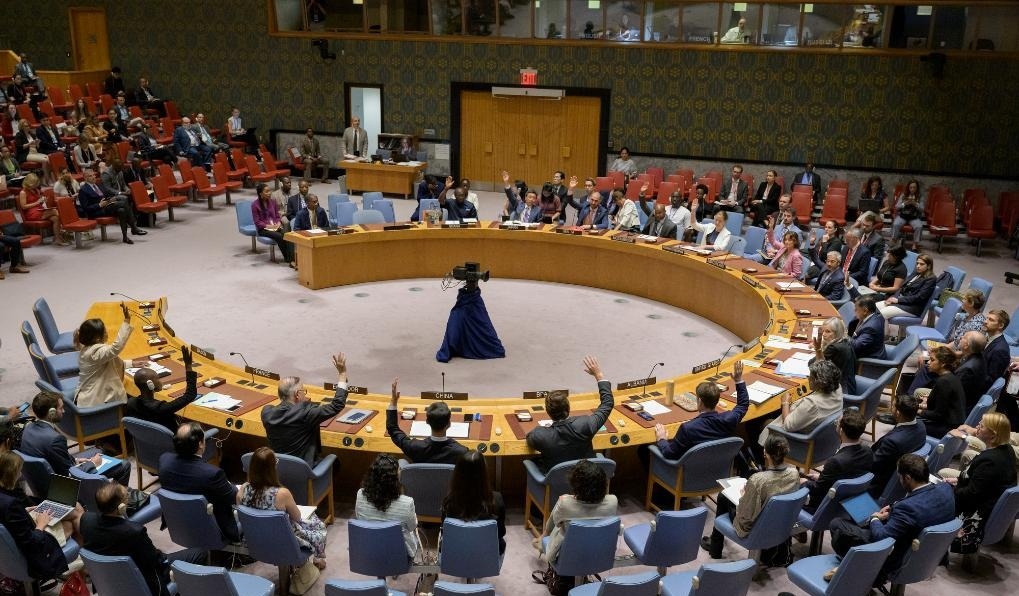
Following the conclusion of the trial, officials said India plans to place the judgment and supporting documentation before the United Nations Security Council. The material would also be shared with international agencies, institutions and countries that have designated Hafiz Saeed and Lashkar-e-Taiba as terrorist entities.
Officials added that India also intends to submit the trial records, court judgment and evidence of Pakistan’s alleged non-cooperation to the FATF, which monitors global efforts to combat terror financing.
According to officials, New Delhi hopes the documentation will support efforts to press for stricter financial restrictions on Hafiz Saeed, Lashkar-e-Taiba and its alleged proxy, The Resistance Front.