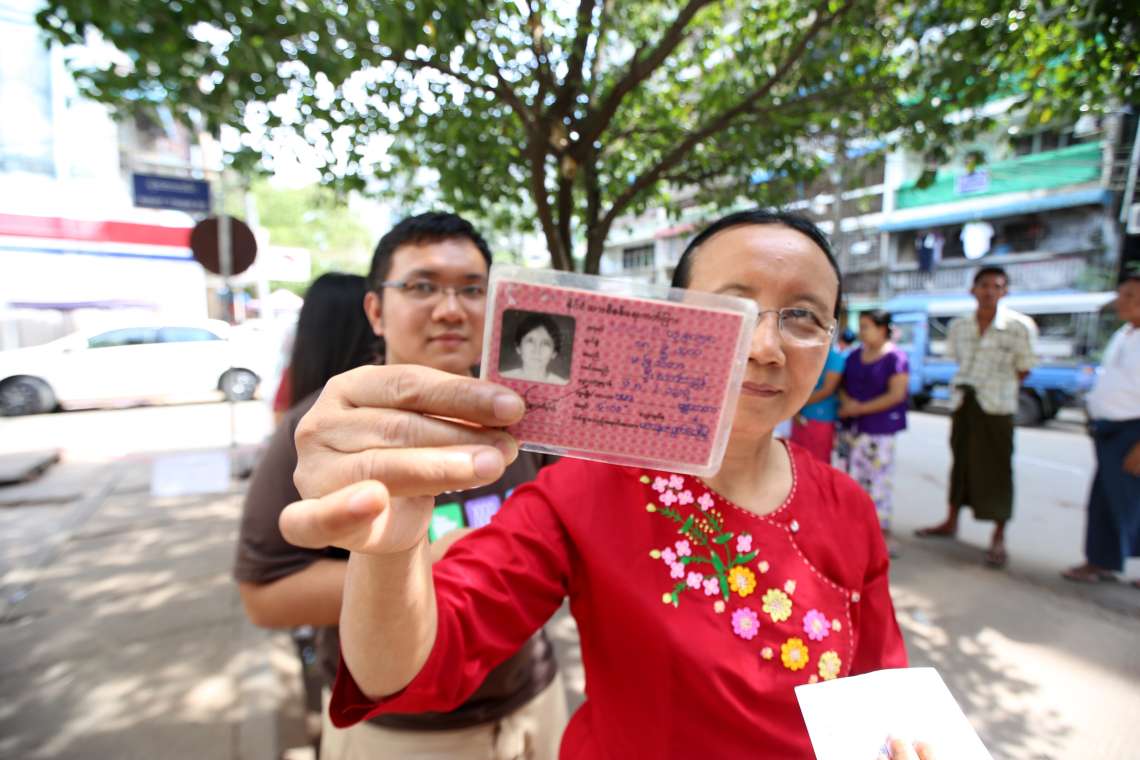
Myanmar’s military-backed USDP wins tightly controlled election as junta chief authorises a new consultative body, signalling plans to retain decisive influence without overtly leading the next government
Myanmar’s military-backed Union Solidarity and Development Party has been declared the winner of the country’s first national election in five years, official results showed on Wednesday, even as the army’s chief moved to cement long-term influence through the creation of a new consultative body designed to operate alongside the incoming government.
Final figures released by the Union Election Commission confirmed that the USDP, a party dominated by former generals and closely aligned with the armed forces, secured a commanding majority in the new parliament. The outcome was widely anticipated after the election process excluded major opposition forces and was conducted amid ongoing conflict that prevented voting in large parts of the country.
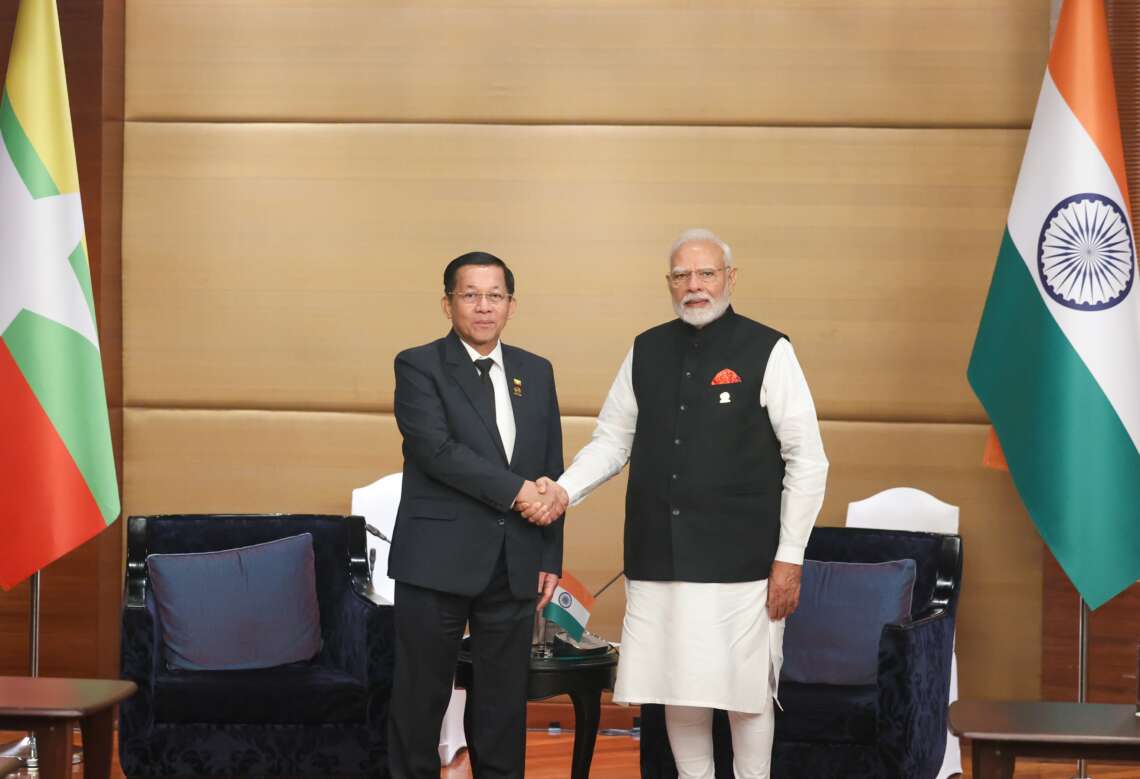
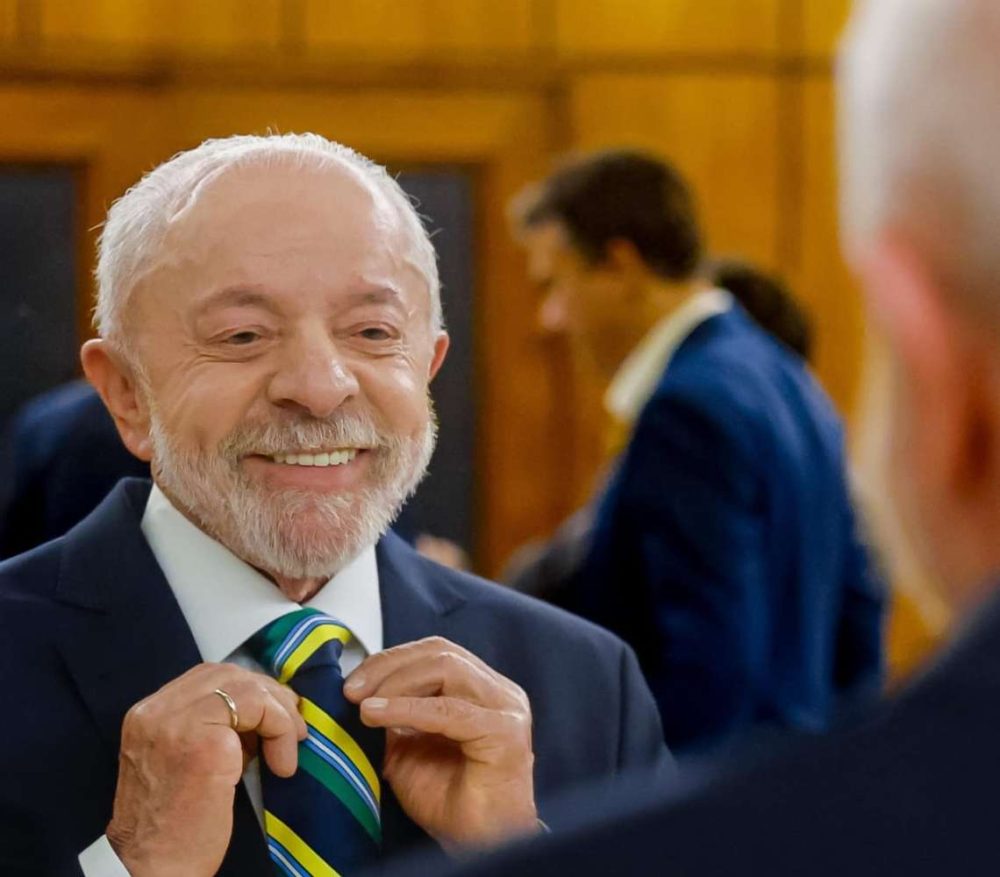
The announcement came as Senior General Min Aung Hlaing, the head of Myanmar’s military government, signed into law legislation authorising the formation of a new Union Consultative Council. The move has fuelled speculation that the junta leader may seek to retain decisive influence over the country’s direction without formally assuming the presidency.
Under Myanmar’s 2008 constitution, the military is guaranteed 25 per cent of all parliamentary seats, giving the armed forces an effective veto over constitutional changes and a decisive role in governance. Combined with the USDP’s electoral gains, the military and its political allies now control roughly 86 per cent of the legislature.
According to the election commission, the USDP won 339 of the 586 contested seats in the national parliament. The military’s constitutionally allotted 166 seats bring the combined total to 505, leaving only a small presence for more than 20 minor parties that won between one and 20 seats each.
Voting was held in three phases between December and January across 263 of Myanmar’s 330 townships. About one-fifth of the country did not vote due to fighting between the military and resistance forces, underlining the extent to which the country remains fractured more than three years after the 2021 coup.
Speaking at a meeting with senior military officers, Min Aung Hlaing said the USDP secured more than 44 per cent of the nationwide vote. He added that over 13 million people, around 54 per cent of eligible voters, had cast ballots, describing the turnout as evidence of public enthusiasm. Independent verification of turnout figures was not available.
The election results were published as the military leadership outlined the next steps in the political transition it has promised since seizing power from the elected government led by Aung San Suu Kyi. According to state media, Parliament is expected to convene in the third week of March, when lawmakers will elect a new president.
Min Aung Hlaing has long been viewed as the frontrunner for the presidency. However, the constitution bars the president from simultaneously serving as commander-in-chief of the armed forces, raising questions over whether he would be willing to relinquish the military’s most powerful post.
Those questions were sharpened by Wednesday’s announcement of the new Union Consultative Council. The law allows the president to establish the council with at least five members, including a chairman, and mandates it to advise and coordinate on national security, international relations, peace negotiations and legislative matters. While the body would not formally exercise executive or judicial authority, analysts say it could provide a powerful platform for behind-the-scenes control.
The military has repeatedly relied on parallel governance structures since the 2021 coup, which triggered nationwide protests and an armed resistance movement that has since escalated into a protracted civil war. The new council appears to fit that pattern, offering continuity of military influence regardless of who formally occupies the presidency.
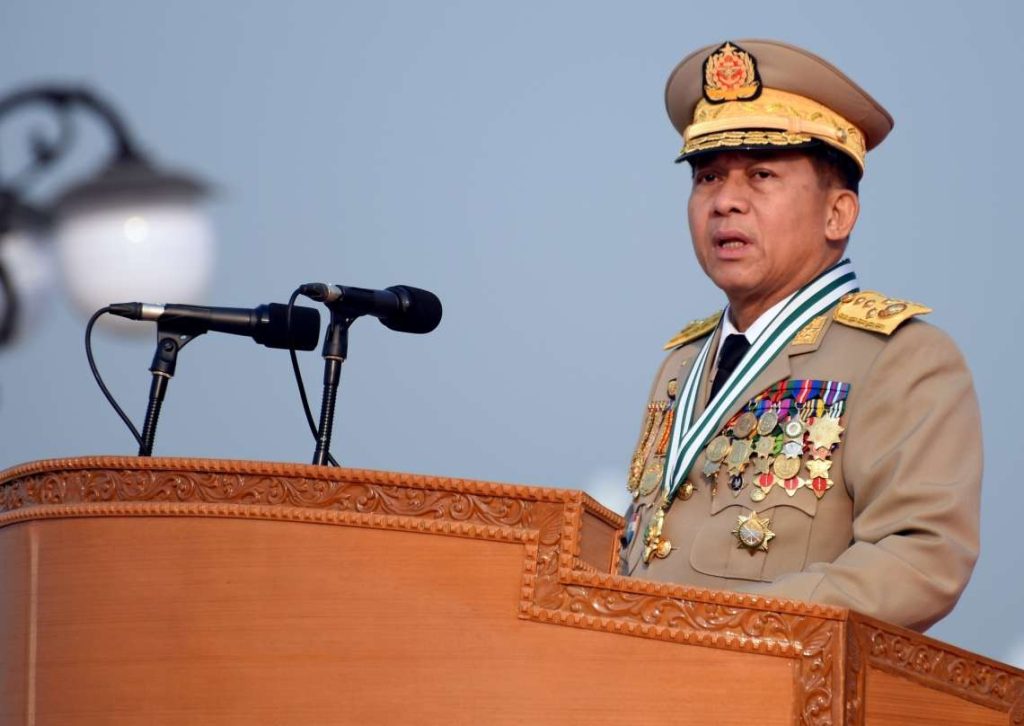
It remains unclear whether Min Aung Hlaing intends to chair the body himself, but the timing of the law’s passage, coinciding with the release of final election results, has intensified scrutiny of the junta’s long-term plans.
International reaction to the election has been sharply critical. United Nations High Commissioner for Human Rights Volker Türk said the vote failed to meet basic standards of democratic participation and respect for fundamental rights. In a statement marking the anniversary of the military takeover, Türk said the process had exacerbated violence and deepened social polarisation.
He cited reports of widespread voter coercion, including fears of forced conscription, loss of access to food and punitive administrative measures. Türk said the past five years of military rule had been characterised by repression, mass arbitrary arrests, surveillance and the shrinking of civic space, adding that the election was being used to entrench rule by force rather than restore civilian governance.