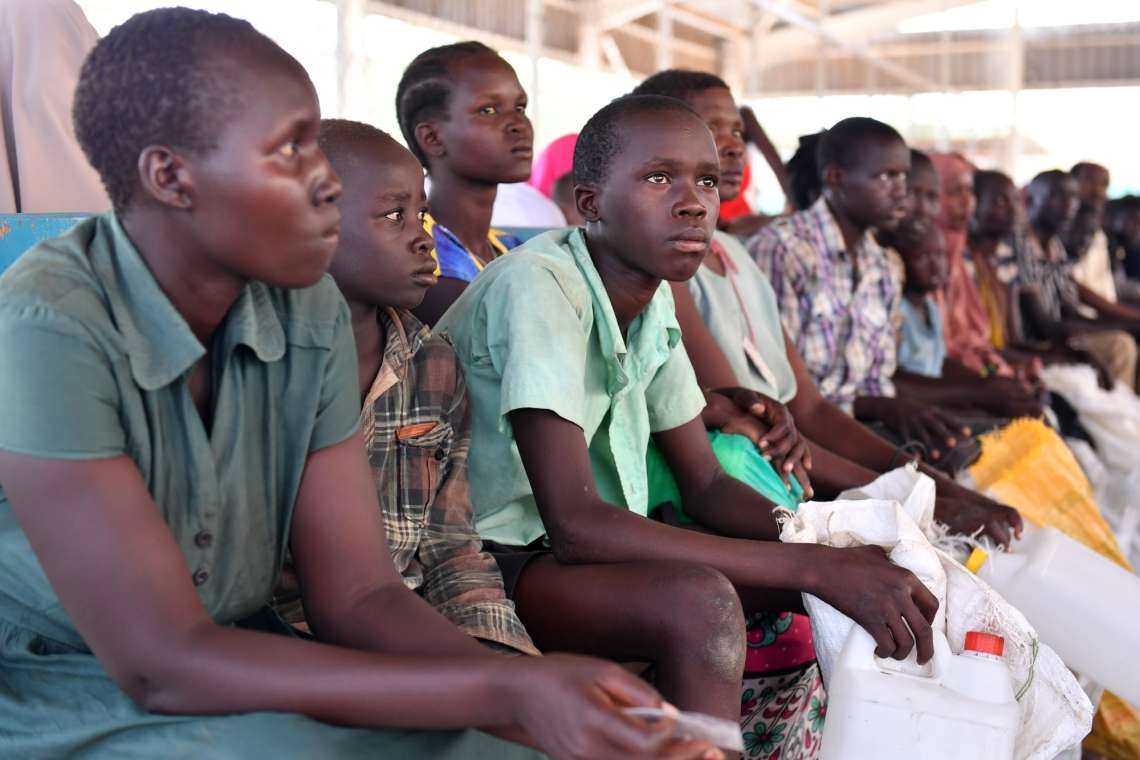
Refugees in Eastern and Southern Africa spend a median of nearly 16 years in exile, UNHCR analysis shows, highlighting long-term displacement across the region. The UN agency warns that millions remain stuck in limbo and calls for expanded durable solutions including education, work and safe return options…reports Asian Lite News Desk
Refugees in Eastern and Southern Africa are spending a median of nearly 16 years in exile, according to new analysis from the UN Refugee Agency, UNHCR. The findings underline what the agency describes as an urgent need to expand durable solutions for millions of displaced people across the region.
The analysis is based on UNHCR registration data from 2001 to 2025 and forms part of its upcoming 2025 Global Trends Report. It shows that displacement in the region is overwhelmingly long term rather than temporary, with millions remaining in host countries for decades after fleeing conflict, instability and persecution.
At the end of 2025, 6.4 million refugees and asylum-seekers were recorded in UNHCR’s registration system across Eastern and Southern Africa. Many originate from countries including Sudan, South Sudan and Somalia, and are largely hosted by neighbouring states such as Uganda, Ethiopia and Kenya.
“Asylum saves lives, but after nearly 16 years of living in limbo, refugees need more than help; they need hope, opportunity and a way forward,” said Mamadou Dian Balde, UNHCR Regional Director for Eastern and Southern Africa. “We need to move faster towards real solutions, helping refugees return home when it is safe to do so, and ensuring those who cannot return are able to study, work, support themselves and contribute to their communities.”
The data suggests that prolonged displacement is the norm. Three in four refugees and asylum-seekers remain displaced after five years, while almost two in five remain in asylum even after 20 years. The agency says this demonstrates that displacement situations often persist far beyond initial emergencies.
Children and young people are among the most affected. Refugees and asylum-seekers registered before the age of five remain in asylum for a median of more than 18 years, meaning many spend their entire childhood and early adulthood in exile without a durable solution.
“No child should have to grow up with their future clouded by uncertainty,” Balde said. “An entire generation of refugee children are starting their adult lives in exile. Young refugees need access to national education systems, documentation, skills and opportunities that will allow them to reach their potential wherever they are and contribute to the societies hosting them.”
The analysis also highlights differences based on household size. Single individuals remain in exile for a median of just under six years, while families of five or more remain displaced for nearly 19 years, reflecting what UNHCR describes as the complexity of resolving displacement for entire households.
Gender patterns also emerge in the data. Women and girls remain in asylum for a median of nearly 17 years, compared with just over 14 years for men and boys. UNHCR says this reflects differences in protection risks, family responsibilities and barriers to mobility, and points to long lasting impacts of displacement that can extend across generations.
Host countries in Eastern and Southern Africa continue to host large refugee populations despite economic constraints. The agency acknowledges their ongoing solidarity, noting that many governments continue to provide protection to millions of displaced people.
UNHCR is calling for greater support from donors, development actors and the private sector to help expand access to education, work opportunities and long term solutions, both for refugees and for host communities.
The agency says the findings will feed into its broader Global Trends reporting and are intended to guide policy responses to long running displacement crises. It notes that the figures are indicative rather than precise, as changes in status may be recorded during later verification exercises or data quality reviews, meaning system dates may not always align exactly with real world changes in individual situations.