UN figures show millions of Yemenis remain displaced as conflict, natural disasters and economic collapse continue to fuel one of the world’s deepest humanitarian crises, reports Asian Lite News Desk
More than three million people remain internally displaced across government-controlled areas of Yemen, with the majority sheltering in Marib governorate, according to new United Nations figures highlighting the country’s prolonged humanitarian crisis.
The latest assessment by the International Organization for Migration (IOM) found that 3,147,231 internally displaced people, representing 484,347 families, are living across accessible displacement sites in 12 governorates administered by Yemen’s internationally recognised government.
The report underscores the enduring impact of more than a decade of conflict, economic collapse and recurring natural disasters, all of which continue to drive families from their homes despite a relative reduction in large-scale fighting in some parts of the country.
Marib remains the centre of Yemen’s displacement crisis, hosting nearly 1.87 million displaced people, or almost 60 per cent of the total recorded in government-held territory.
The governorate has become the country’s largest refuge for displaced families because of its strategic location, comparatively stable security situation and greater access to humanitarian assistance than many other parts of Yemen.
Taiz hosts the second-largest displaced population, with around 438,000 people, accounting for roughly 14 per cent of the total. The figures reflect the lasting effects of years of conflict and the limited opportunities for many families to return safely to their original homes.
Aden ranks third, sheltering almost 265,000 displaced people. Although the city’s displaced population has fallen since previous assessments, it continues to attract families seeking greater security, employment opportunities and access to healthcare, education and other essential services.
The IOM said its survey covered 3,927 displacement sites spread across 115 districts, illustrating both the scale and geographical reach of Yemen’s displacement emergency.
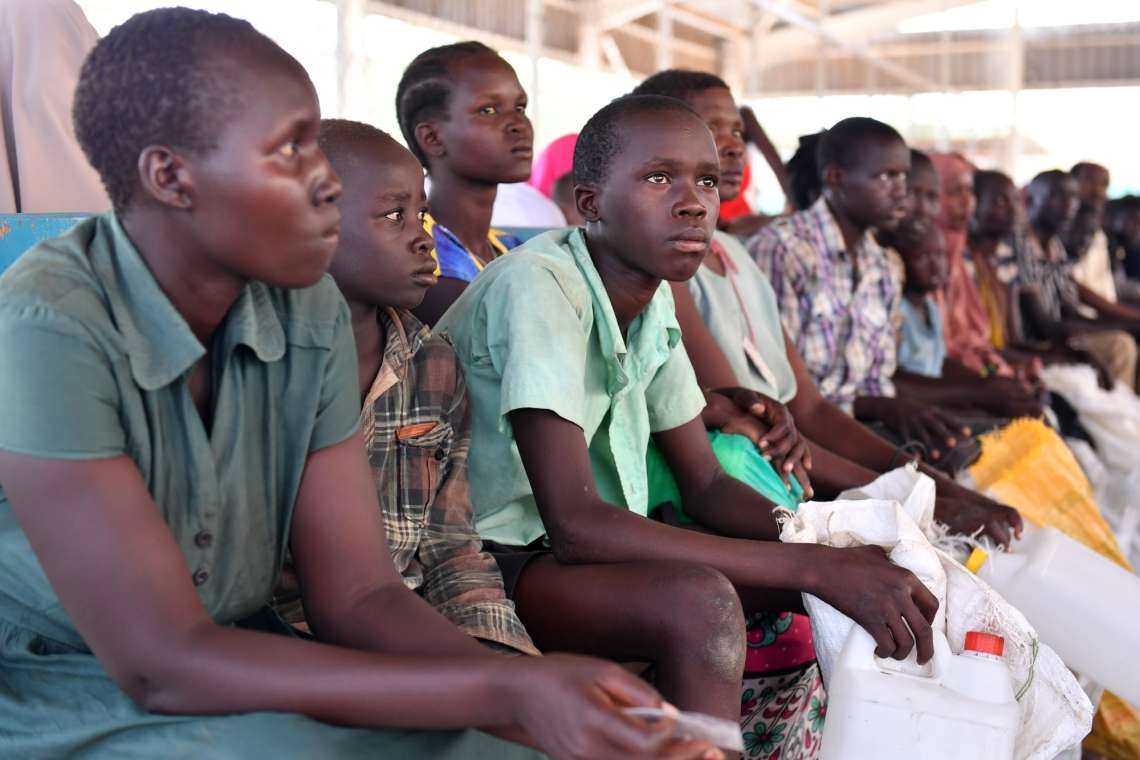
Many displaced households continue to rely on rented accommodation, makeshift shelters and informal settlements, with few realistic prospects for permanent resettlement or safe return.
Alongside the broader assessment, the IOM’s Rapid Displacement Tracking system recorded continued population movements during the week of 21 to 27 June 2026.
The agency documented 39 newly displaced households, equivalent to 234 people, during the reporting period. Since the beginning of the year, 1,261 households comprising 7,566 people have been newly displaced.
Only two households were recorded as returning to their homes during the same week, both in Al Hodeidah governorate.
Unlike previous years, conflict was no longer the principal cause of new displacement during the reporting period.
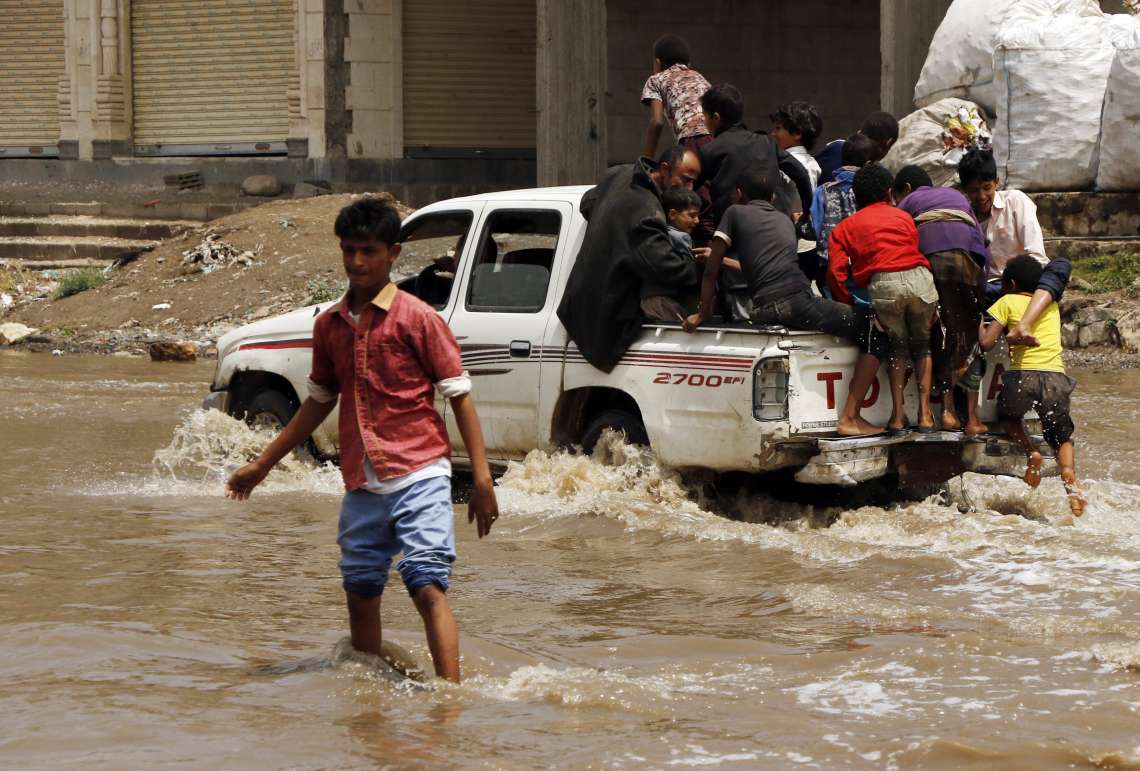
Natural disasters accounted for 46 per cent of newly displaced households, while worsening economic conditions were responsible for 39 per cent. Armed conflict accounted for the remaining 15 per cent, reflecting the increasingly complex humanitarian pressures facing Yemeni families.
The report also paints a bleak picture of daily life for those forced to flee.
Financial assistance emerged as the most urgent need, cited by nearly half of all newly displaced households. Shelter ranked second, followed by food assistance and support to rebuild livelihoods.
Food insecurity remains widespread. Every household surveyed reported eating fewer than three meals a day. Most families said they depended on local markets to purchase food despite severe financial hardship, while others relied on relatives and friends, consumed remaining food supplies or bartered goods to survive.
Access to healthcare also remains severely constrained.
Nearly half of displaced households said they relied on self-medication through local pharmacies rather than formal medical care. Others sought treatment at health facilities, consulted non-doctor health professionals, visited doctors where available or turned to traditional healers.
Humanitarian agencies continue to warn that Yemen remains one of the world’s worst humanitarian emergencies. Despite some improvements in security in certain regions, millions of displaced people continue to face inadequate shelter, limited healthcare, food shortages and declining economic opportunities, leaving durable solutions out of reach for much of the population.