Millions of Sudanese are returning home as security improves in parts of the country, but conflict, destroyed infrastructure and deep humanitarian needs continue to overshadow recovery, reports Asian Lite News Desk
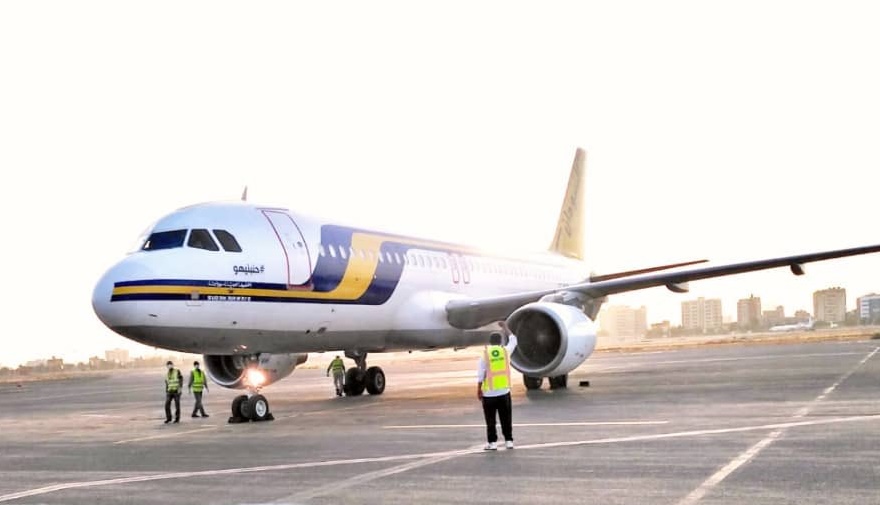
Sudan has recorded its first significant decline in internal displacement since civil war erupted more than three years ago, with the number of people forced from their homes falling to 8.8 million as hundreds of thousands of families return to areas retaken by the Sudanese military.
New figures released by the International Organisation for Migration (IOM) show that the internally displaced population has dropped by nearly a quarter from its January 2025 peak of more than 11.5 million people. The agency attributes the improvement largely to the Sudanese Armed Forces regaining control of Khartoum, Al Jazirah and Sennar states, allowing many families to return despite continuing instability across much of the country.
According to the IOM, around 8.8 million people, representing more than 1.76 million families, remain internally displaced across Sudan. At the same time, the number of people who have returned to their places of origin has risen sharply to more than 4.4 million, equivalent to nearly 887,000 families.
The conflict, which began in April 2023 between the Sudanese Armed Forces and the paramilitary Rapid Support Forces, has triggered one of the world’s largest humanitarian emergencies, devastating cities, destroying infrastructure and displacing millions both within Sudan and across its borders.
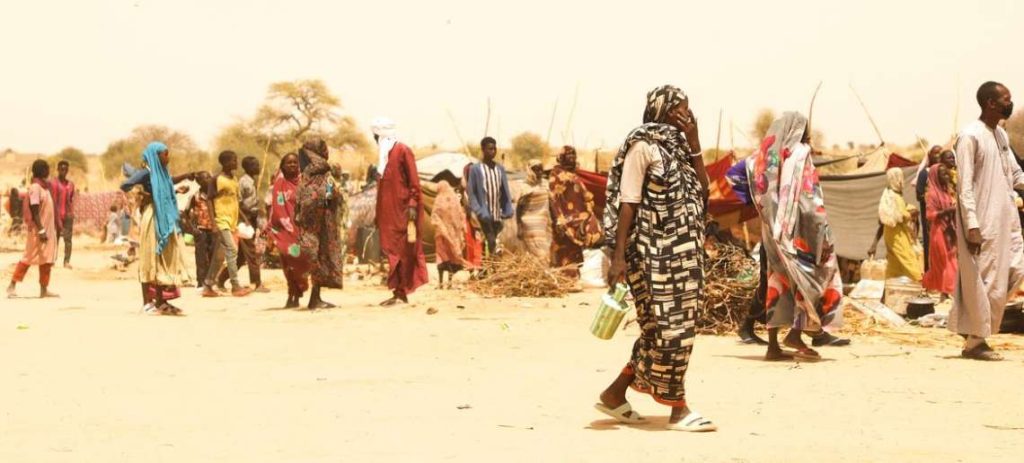
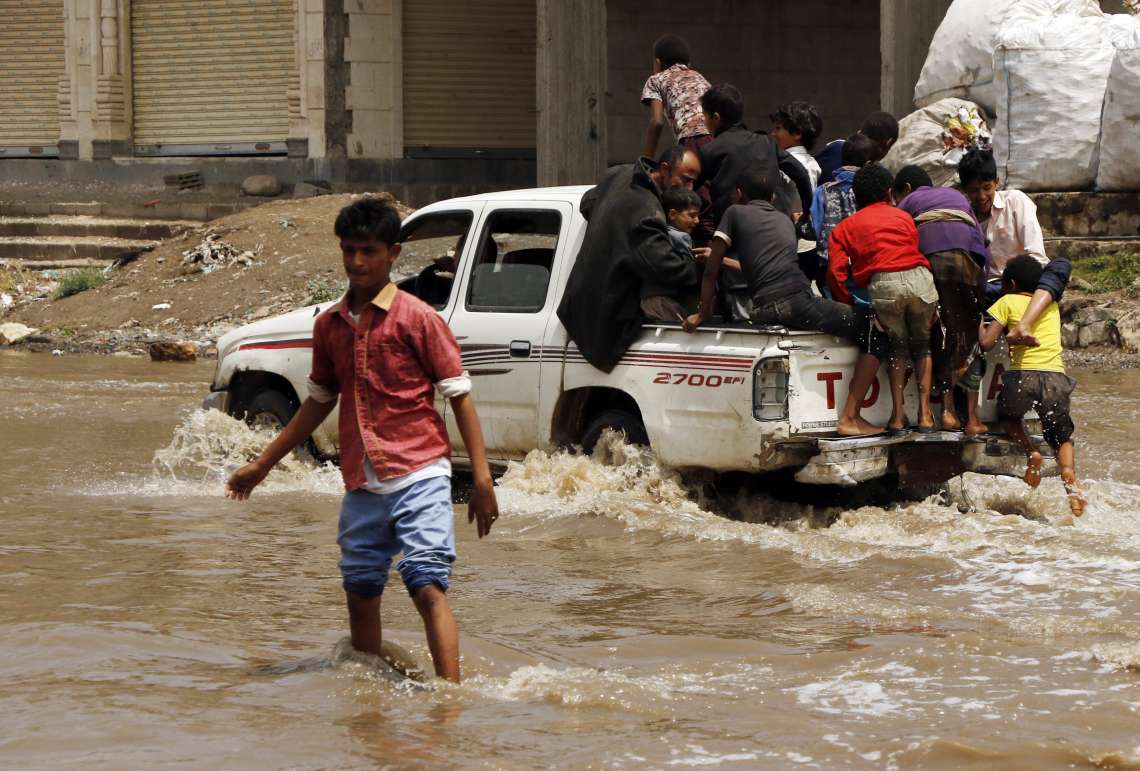
Although the overall trend points towards increasing returns, the IOM warned that violence continues to force new waves of displacement. The agency has recorded 847 separate displacement incidents since the conflict began, caused by armed clashes, tribal violence, floods and fires.
Fresh fighting in the Blue Nile region recently forced almost 60,000 people to flee after attacks reportedly involving a coalition of the Rapid Support Forces and the Sudan People’s Liberation Movement-North.
Darfur remains the epicentre of Sudan’s displacement crisis, accounting for almost two-thirds of all internally displaced people nationwide.
South Darfur hosts the largest displaced population, with more than 1.76 million people, closely followed by North Darfur with around 1.69 million. Central Darfur shelters almost one million displaced residents, while the remaining population is spread across East, West and other parts of the region.
One of the most overcrowded locations remains Tawila in North Darfur, where around 707,000 displaced people are sheltering in an area controlled by a faction of the Sudan Liberation Movement led by Abdel Wahid Mohamed Nur.
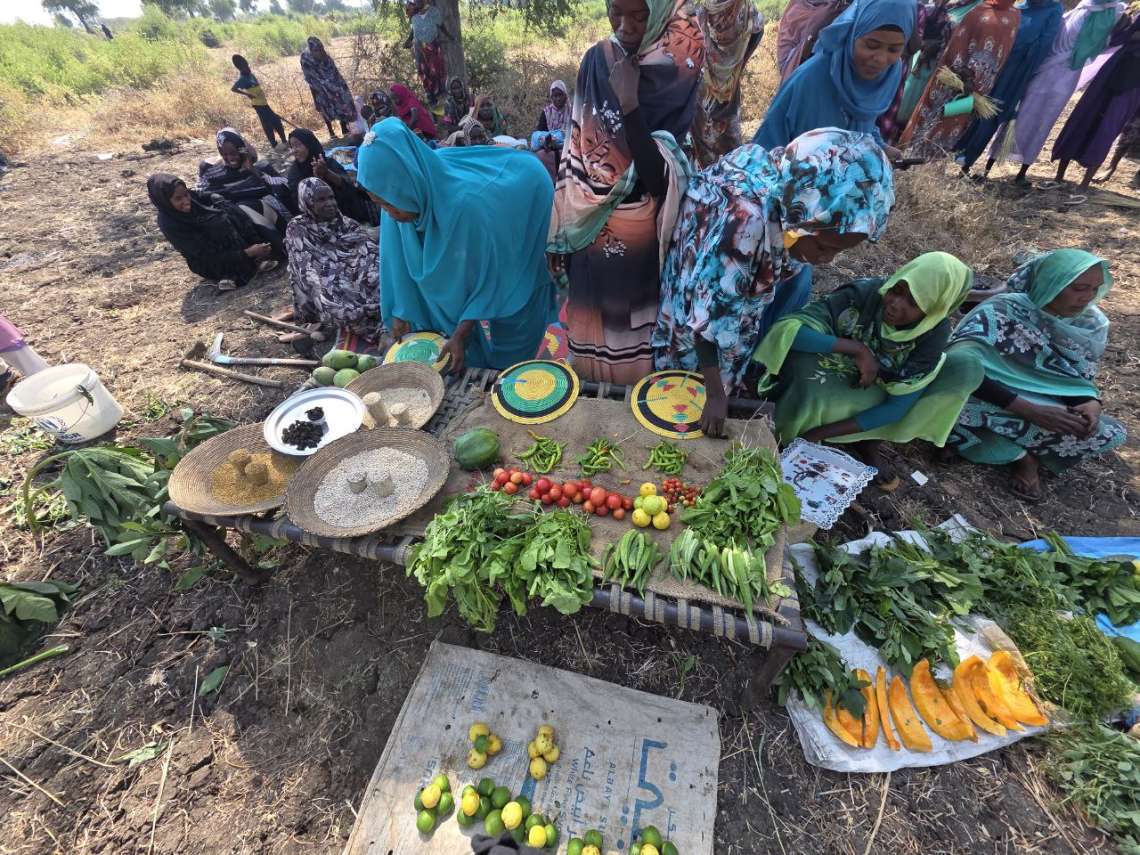
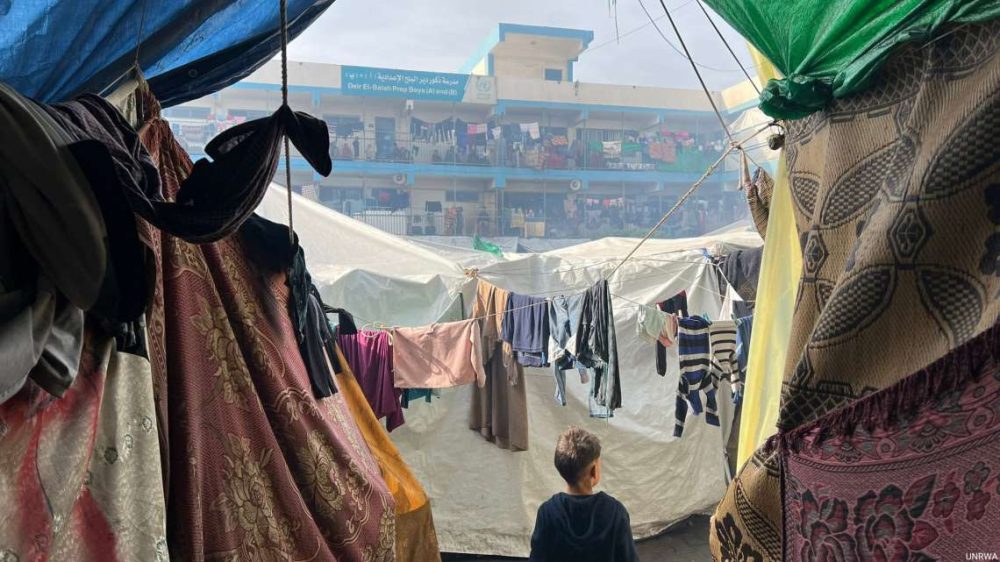
The report also provides a snapshot of how displaced families are surviving. Around 38 per cent are living with host families, while hundreds of thousands more remain in gathering sites and informal camps.
Nearly six in ten displaced people are living in urban areas, although the pattern varies considerably between states. In Red Sea State, almost all displaced residents have settled in towns and cities where services and official documentation are more readily available. By contrast, rural communities continue to host the majority of displaced people in Northern State, North Darfur and West Kordofan.
The IOM has documented more than 4.4 million returnees across 74 localities in nine of Sudan’s 18 states.
Khartoum has welcomed the largest number of returning residents, with more than 2.1 million people heading back to the capital. Al Jazirah has recorded over 1.2 million returns, while North Darfur and Sennar have each seen hundreds of thousands of people go back to their communities.
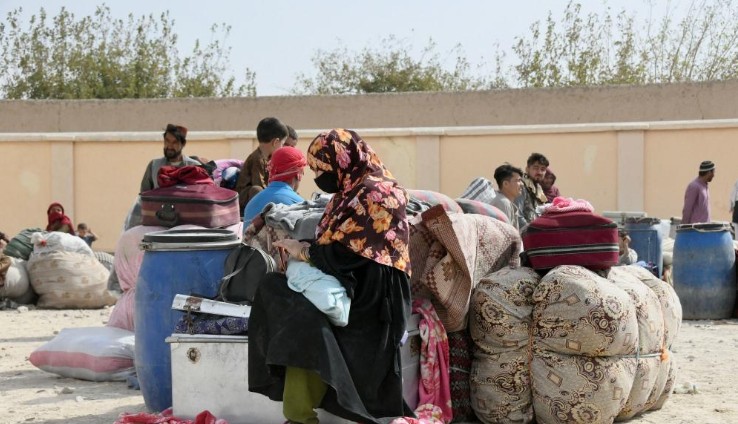
Most returnees, around 83 per cent, relocated from other parts of Sudan, while more than 775,000 people returned from neighbouring and regional countries.
Egypt accounted for nearly half of all cross-border returns. Since the conflict began, around 1.5 million Sudanese refugees have fled to Egypt, making it the largest host country for people escaping the war. Others have returned from South Sudan, Libya, Chad, Uganda and Gulf states.
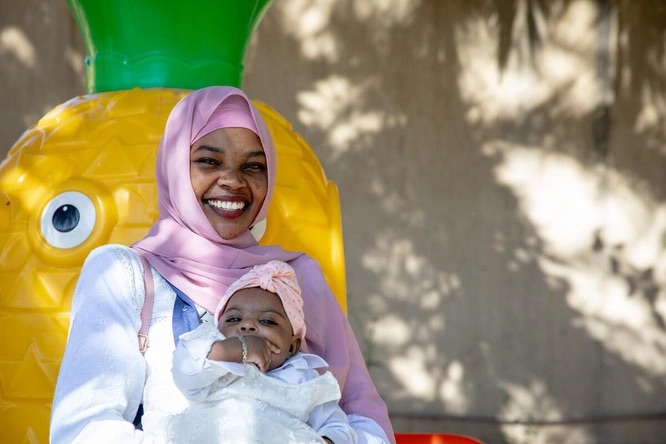
Improved security was the main reason cited by returning families, with 87 per cent saying they felt conditions had become stable enough to go home. Others said they had exhausted their financial resources while displaced or wished to reunite with relatives.
However, the circumstances facing many returnees remain extremely difficult.
The IOM found that 93 per cent of returning families moved back into their original homes despite around 60 per cent of those properties having suffered damage during the conflict. Many communities continue to face shortages of electricity, clean water, healthcare, schools and employment opportunities.
The UN refugee agency, UNHCR, said Sudan nevertheless remains the world’s largest internal displacement crisis. By the end of 2025, around 9.1 million people were still displaced within the country, while the number of Sudanese refugees living abroad had risen to 2.8 million, a 35 per cent increase compared with the previous year.
UNHCR said that although growing numbers of displaced people are returning to relatively safer areas, many are finding devastated neighbourhoods, damaged infrastructure and almost no functioning public services. The agency warned that rebuilding communities and restoring livelihoods will remain a major challenge even where fighting has subsided.