A global displacement report paints a stark picture of Afghanistan’s humanitarian crisis, with conflict, disasters and forced returns leaving millions struggling to rebuild shattered lives, reports Asian Lite News Desk
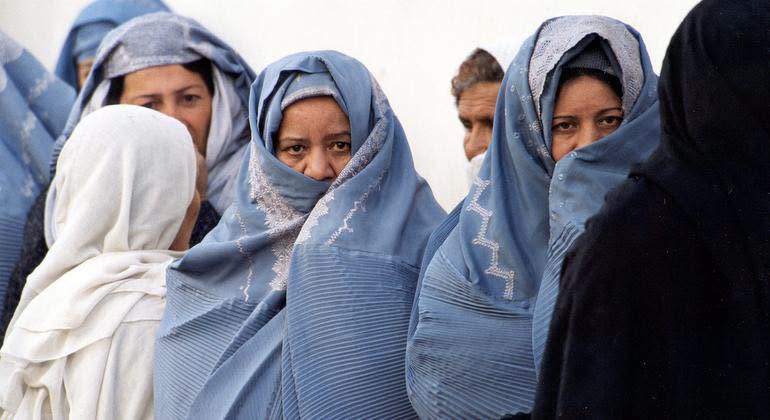
Afghanistan remained one of the world’s most severe humanitarian crises in 2025, with around seven million people displaced within the country by conflict, violence and natural disasters, according to a new global report highlighting the growing scale of internal displacement worldwide.
The latest Global Report on Internal Displacement 2026, published by the Internal Displacement Monitoring Centre (IDMC), found that Afghanistan accounted for nearly half of all internal displacement cases recorded across South Asia during the year.
The report estimates that more than 82 million people were living in internal displacement globally by the end of 2025, describing the situation as a “global structural crisis” driven by armed conflict, insecurity, climate-related disasters and increasingly fragile economies.
Afghanistan remained one of the countries hardest hit. Of the seven million internally displaced people recorded in the country, around 4.4 million had been uprooted by conflict and violence, while thousands more were displaced by natural disasters, particularly powerful earthquakes that struck parts of the country during the year.
The report highlighted major earthquakes in eastern Afghanistan and around Mazar-i-Sharif in August and November 2025, which forced at least 8,000 people from their homes. Despite widespread destruction of homes and infrastructure, many families later returned to damaged communities because they had few alternatives.
Researchers said Afghanistan’s humanitarian situation continues to be compounded by decades of conflict, repeated droughts, economic collapse and limited opportunities for rebuilding lives and livelihoods.
The findings come as the country also grapples with the return of millions of Afghans from neighbouring countries.

According to figures released by the UN refugee agency UNHCR, around 3.7 million Afghan refugees and others in need of international protection remained outside the country at the end of 2025, representing a 36 per cent decline compared with the previous year.
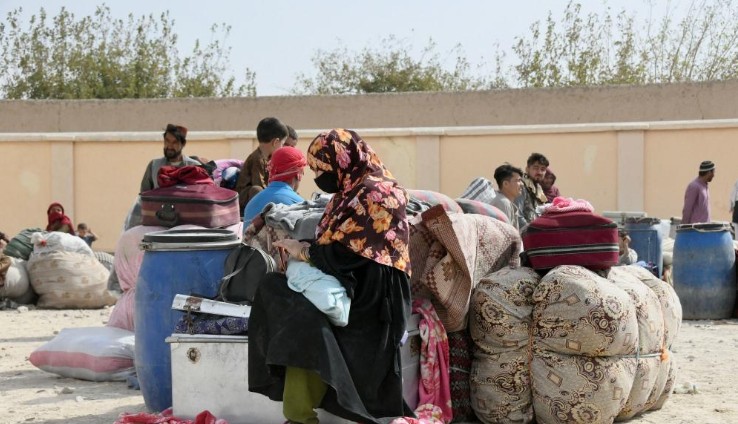
The reduction was largely attributed to the return of approximately 2.9 million Afghans during the year, many of whom were compelled to leave host countries following changes in immigration and residency policies rather than returning voluntarily.
UNHCR warned that many returnees are arriving in a country struggling with inadequate infrastructure, scarce employment opportunities and limited public services. Children returning to Afghanistan also face significant barriers to education, with girls particularly affected because of ongoing restrictions on female education.
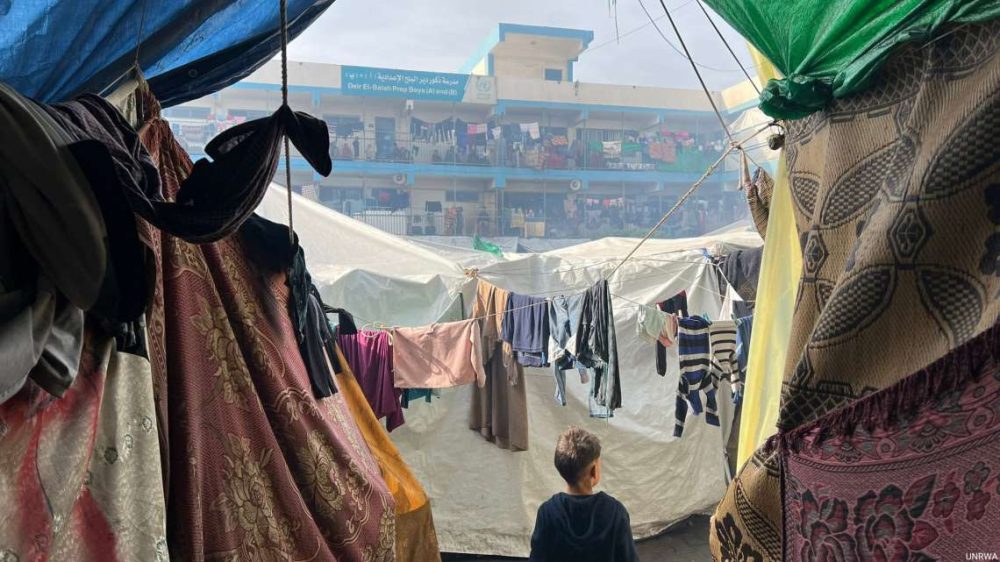
Globally, the refugee population fell slightly by three per cent to 35.6 million by the end of 2025. Of those, 28.5 million were refugees or people in refugee-like situations under UNHCR’s mandate, while another six million Palestinian refugees remained under the care of the UN Relief and Works Agency.
The UNHCR said seven in every 10 refugees worldwide originated from just six countries: Afghanistan, Sudan, South Sudan, Syria, Ukraine and Venezuela.
The agency also noted that displacement continues to place the greatest burden on neighbouring countries. Around 65 per cent of refugees remained in countries bordering their homeland, while low and middle-income nations hosted more than two-thirds of the global refugee population.
Iran and Pakistan continued to host the largest numbers of Afghan refugees, sheltering around 1.6 million and 1.3 million people respectively, underscoring the regional impact of Afghanistan’s prolonged instability.