The province continues to grapple with a complex mix of smuggling, militancy, drug trade, corruption and weak governance, alongside limited public faith in leadership…reports Asian Lite News
Smuggling networks, weak governance and political contradictions lie at the core of unrest in Pakistan’s Balochistan, according to a new analysis by an independent think tank.
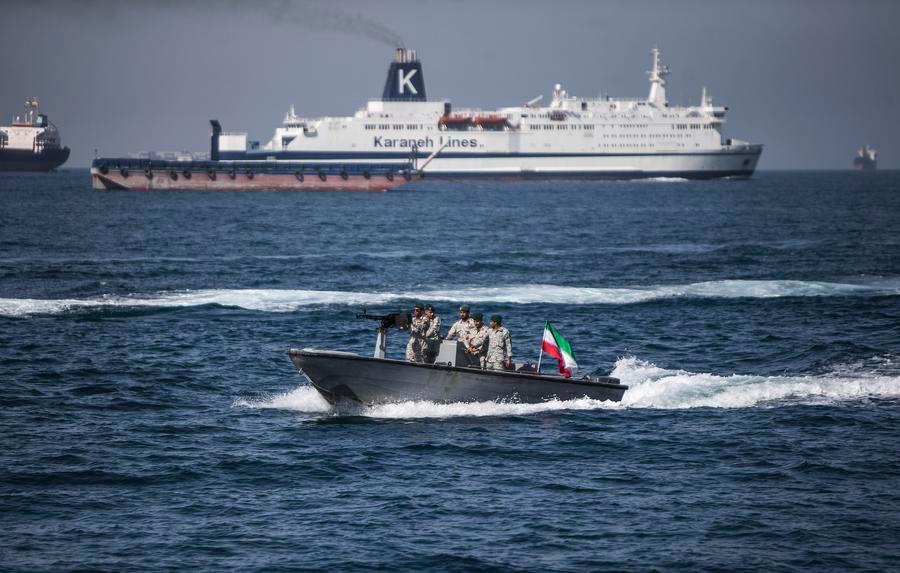
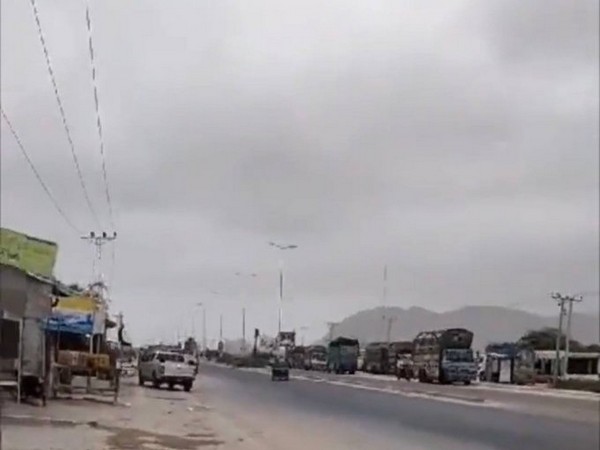
The report highlights two recent developments as emblematic of the region’s deeper structural issues. In one instance, Balochistan Chief Minister Mir Sarfraz Bugti set the price of Iranian smuggled petrol at PKR 280 per litre, raising questions over the government’s stance on illegal trade.
In another development, controversial figure Shafiq Mengal was awarded a Pakistan Peoples Party ticket for a National Assembly by election after pledging allegiance to President Asif Ali Zardari.
Writing in an opinion piece, Imtiaz Gul of the Centre for Research and Security Studies said these events expose contradictions in official policy. He noted that while authorities publicly commit to cracking down on smuggling, actions such as setting prices for contraband fuel appear to legitimise the very activities they seek to eliminate.
The report also points to widespread public distrust, particularly surrounding political figures. Mengal, described as a deeply polarising personality, has faced allegations ranging from links to armed groups to involvement in serious crimes, further eroding public confidence.
According to the analysis, Balochistan’s challenges extend beyond isolated incidents. The province continues to grapple with a complex mix of smuggling, militancy, drug trade, corruption and weak governance, alongside limited public faith in leadership that many residents view as imposed rather than elected.
A key issue identified is the disconnect between official narratives and public perception. Authorities often present optimistic assessments of progress, backed by data and anti smuggling campaigns, while many residents report feelings of marginalisation, deprivation and systemic neglect.
The report argues that policy responses frequently fail to address root causes. While officials emphasise enforcement and security measures, critics say deeper issues such as governance failures and political selection processes remain unaddressed.
Anti smuggling drives have also had mixed effects, with some communities viewing them as a threat to livelihoods in economically deprived border areas, even as authorities maintain that only a small number of families benefit from such activities.
The analysis concludes that without addressing governance deficits and rebuilding public trust, efforts to stabilise Balochistan are likely to remain ineffective.