Munich is preparing for a security conference overshadowed by warnings about strain in the transatlantic alliance and growing uncertainty about the global order. Organisers say trust has been damaged but hope the gathering can help begin repair work …reports Asian Lite News
Munich is bracing for a turbulent gathering of political and military leaders as organisers of the Munich Security Conference warn of a period they describe as “wrecking-ball politics”.
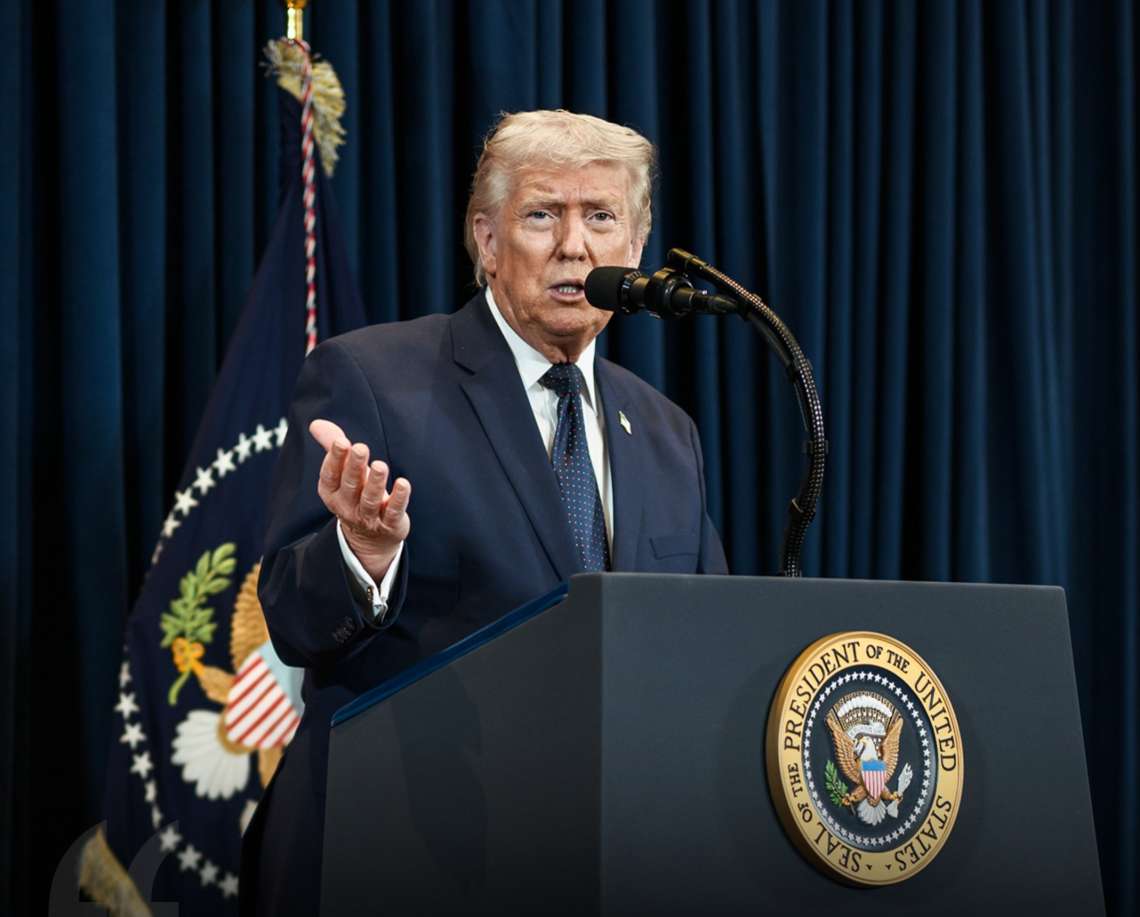
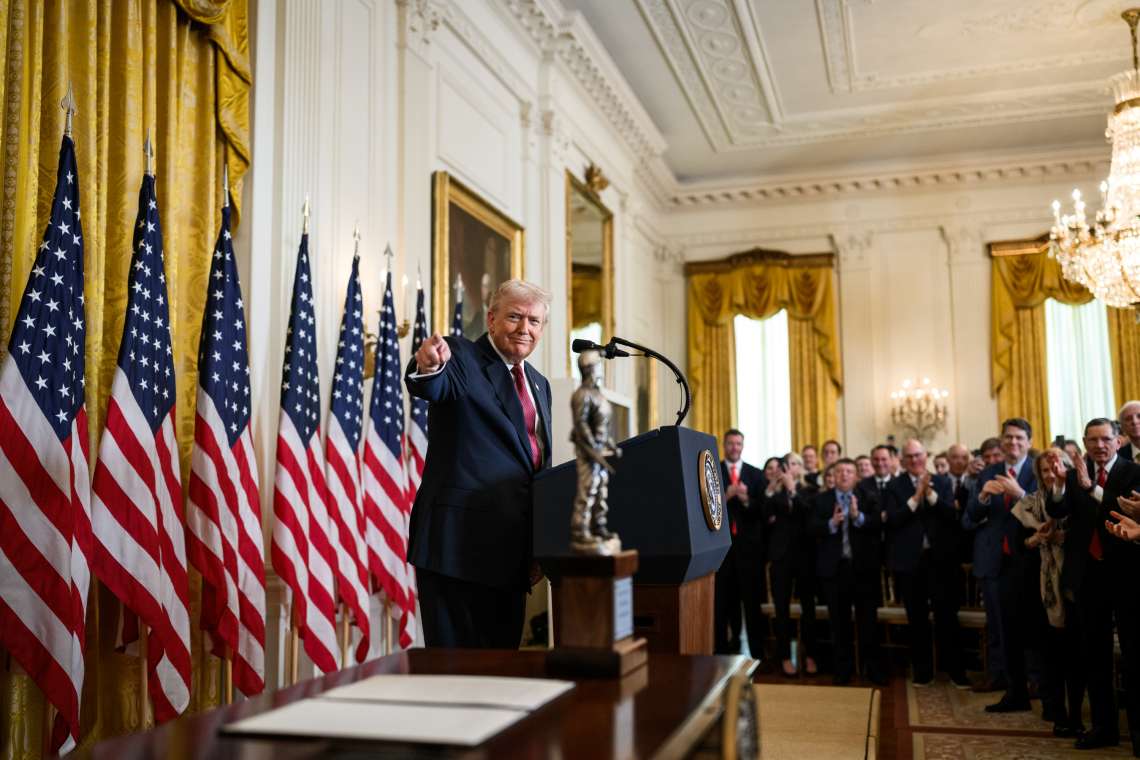
“The most powerful of those who take the axe to existing rules and institutions is US President Donald Trump,” organisers wrote in the Munich Security Report 2026, released on Monday.
The publication came as it was confirmed that US Secretary of State Marco Rubio will lead “a sizable delegation” to the annual meeting in the Bavarian capital.
Conference chairman Wolfgang Ischinger said he saw two core functions for this year’s event, the first of which he compared to a “bicycle repair shop”, aimed at oiling the chain and getting transatlantic ties moving again after recent tensions.
“Part of our mission, I think, is to at least offer the possibility of repair work in terms of rebuilding, trust, confidence building, et cetera among trans-Atlantic partners. Obviously, trust has been damaged. Think of Greenland,” Ischinger said.
Around 65 world leaders are expected to attend, including German Chancellor Friedrich Merz, alongside nearly 100 foreign and defence ministers, senior military figures and policymakers.

Ischinger, who has long been associated with the conference, said he also hoped the meeting would help encourage a more self-reliant Europe, “after 80 years of relying on the American security umbrella.”
“It’s not written in the Bible, as the Polish prime minister used to say, that 450 million Europeans need 350 million Americans to defend themselves against 140 million Russians,” he said. “Why can we not comply with the American demand of doing more for ourselves to become more capable, more self-reliant? We should.”
Turning to domestic German politics, Ischinger rejected suggestions that the return of the far-right Alternative for Germany party to the conference had come in response to US pressure.
“That’s just a myth. I’ve never been approached by anyone from the US side about that at all,” he said. “Second, I just want to make sure that everyone understands my sympathy for the AfD is close to zero. I have no sympathy for this party, but I need to recognise I am the head of a private foundation which runs a private, independent dialogue forum called the Munich Security Conference,” he added.
He noted that when invitations were previously revoked there had been a specific context, pointing to the party walking out of a speech by Ukraine’s president in the Bundestag. Since then, he said, elections had made it the largest opposition group.
The report accompanying this year’s meeting warns that trust in institutions across Western democracies is eroding and that parties promising radical change are gaining ground.
“The result is a new climate in which those who employ bulldozers, wrecking balls, and chainsaws are often cautiously admired if not openly celebrated,” it says.
It argues that while such approaches can appeal to supporters who believe breaking institutions may overcome political gridlock, the longer-term effect could be a more transactional international system.
“Ironically, this would be a world that privileges the rich and powerful, not those who have placed their hopes in wrecking-ball politics,” the report stresses.
High-profile American critics of the president, including California Governor Gavin Newsom, Michigan Governor Gretchen Whitmer and Representative Alexandria Ocasio-Cortez, are also due to attend, while Ukrainian President Volodymyr Zelenskyy is among the most prominent expected guests.
Ischinger said that whatever view participants take of current US foreign policy, it is already reshaping global affairs in ways whose consequences are only starting to become clear.