Africa and France are set to deepen economic cooperation at a major Nairobi summit amid rising geopolitical tensions linked to the Middle East conflict…reports Asian Lite News
A major Africa–France investment summit in Nairobi is expected to bring together more than 2,500 corporate executives from 55 African countries for two days of discussions centred on economic resilience and cooperation against a backdrop of heightened geopolitical uncertainty. The meeting follows concerns over the economic repercussions of a United States–Israeli war in Iran, which participants say is reshaping global markets and affecting both African and European economies.
The Nairobi platform, initiated with strong French backing, will convene business leaders, policymakers and representatives of regional economic blocs to assess the impact of Middle East tensions while exploring new investment pathways. Delegates are expected to prioritise practical engagement in geopolitics, focusing on identifying opportunities for large-scale investment and strengthening economic ties between Africa and France.
Discussions will centre on innovation, industrial growth and the strategic use of Africa’s natural resources and human capital. Organisers say the aim is to generate new business directions and embed long-term cooperation into a formal conference declaration. Participants are also expected to review existing economic frameworks and identify areas for expansion, reflecting what officials describe as a pragmatic but evolving relationship between African nations and France.
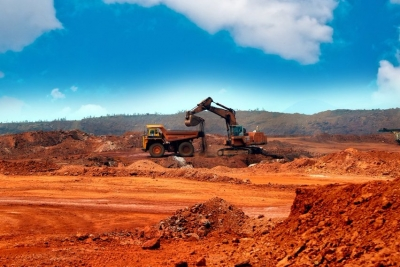
French government representatives and business groups involved in trade with Africa have been invited to outline their investment strategies across key sectors. These include manufacturing, extractive industries, special economic zones, energy and transport infrastructure, digitalisation and agro-industry. Education and entrepreneurship training are also expected to feature prominently.
France has developed financial mechanisms to support joint ventures across the continent, while African financial institutions are preparing to align corporate strategies to support localised production chains. This includes both agricultural processing and mineral beneficiation, with an emphasis on retaining value within African economies.
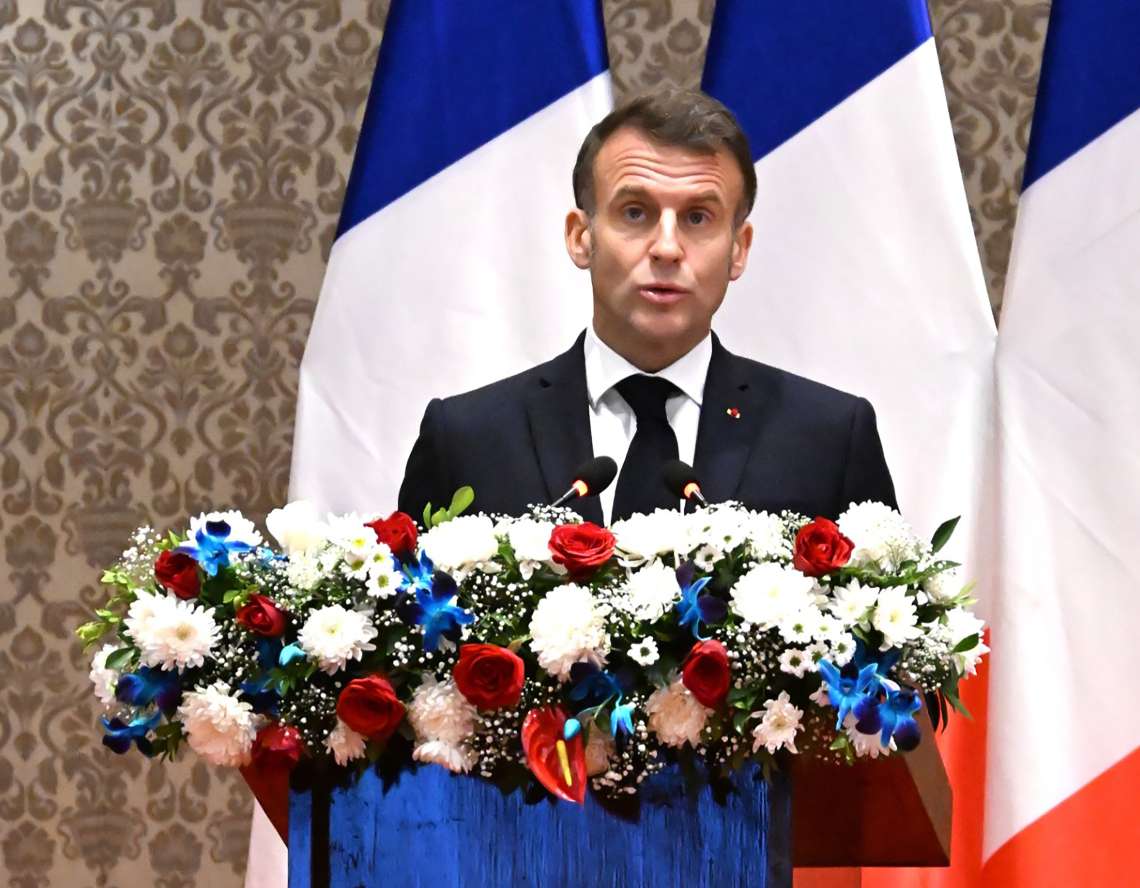
Kenyan President William Ruto and French President Emmanuel Macron have both acknowledged the need to unlock Africa’s economic potential through sustainable industrialisation and targeted growth strategies. In a statement, Ruto said the summit reflects a shared commitment to strengthening bilateral ties and deepening multilateral cooperation to advance global goals.
The agenda includes reform of the international financial architecture, energy transition, green industrialisation, the blue economy, connectivity, artificial intelligence, sustainable agriculture and health. It will also highlight the role of young entrepreneurs, civil society and international organisations in addressing regional and global challenges.
The summit comes as the European Union expands its economic engagement with Africa, including a €300 billion investment initiative positioned as an alternative to China’s Belt and Road programme. The European Commission has outlined priorities such as supporting the African Continental Free Trade Area, improving the investment climate and strengthening public–private dialogue.
The AfCFTA, which aims to create a single market of 1.5 billion people, is central to these efforts. It seeks to enable the free movement of goods, services, business people and investment across the continent, attracting interest from global partners including China, India, the United States and European nations.
France’s approach is seen by some African leaders as offering an alternative partnership model, though questions remain over how these ties will evolve amid complex global dynamics. The Nairobi summit on 11–12 May 2026 is expected to set the tone for future cooperation, positioning Africa as a key partner in global innovation and economic development.