Nepal has given 329 Chinese nationals working on tourist visas time to regularise their status or leave a Chinese-funded meat processing project…reports Asian Lite News Desk
Nepal has given hundreds of Chinese nationals working illegally at a Chinese-funded meat processing plant time to regularise their immigration status or leave the country, while proceeding with the deportation of 88 others found violating their business visa conditions. The decision reflects an attempt by Nepalese authorities to enforce immigration laws while protecting a major agricultural investment involving a promised NPR 20 billion investment.
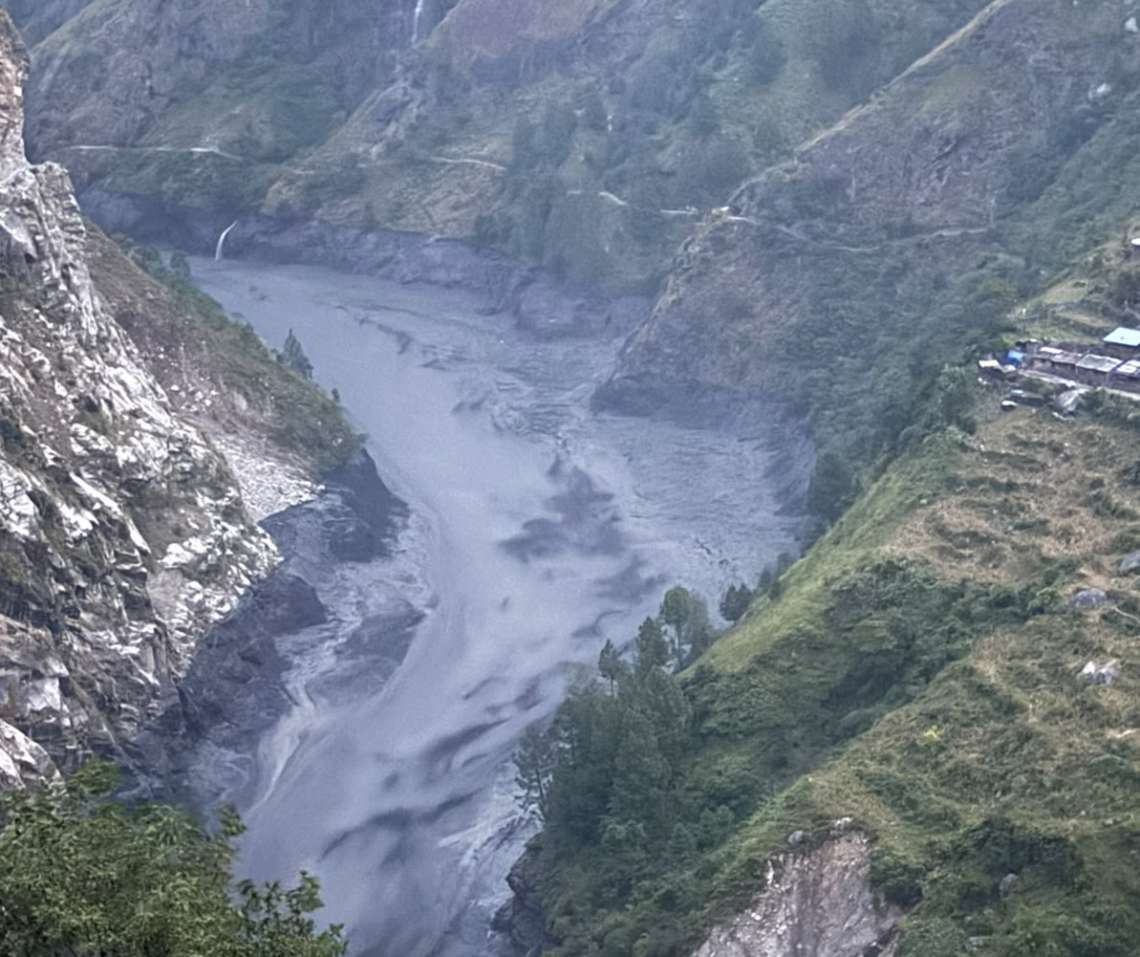
The workers were employed at Ziyan Foods Private Limited, which is developing the Nepal Heat-Processed Buffalo Meat Export to China Project at Sahan in Marini Rural Municipality of Sindhuli district, in financial partnership with Chengdu Tian Food Limited.
According to Nepal’s Department of Immigration, 88 Chinese nationals who entered the country on business visas issued for activities associated with other companies were found working at the project in violation of their visa conditions. Their visas have been cancelled, fines imposed and deportation proceedings initiated.
A further 329 Chinese nationals were identified working at the facility despite entering Nepal on tourist visas.
Nepal allows time to regularise visa status
The Department of Immigration has decided to give Chinese nationals working on tourist visas between 20 days and one month to obtain the necessary labour permits, complete the required procedures or leave Nepal.
Ram Chandra Tiwari, director general of the Department of Immigration, said the decision followed an assessment of the circumstances surrounding the workers and the project.
“In the case of the Chinese nationals who were working in the project and arrived in Nepal on tourist visas, we have created an environment in which they can obtain labour permits or complete the required procedures and leave within the stipulated period of 20 days to one month,” Tiwari said.

“During our inspection, we found that these people were not here to engage in wrongdoing or theft; they were genuinely working,” he added.
Immigration officials said the decision to allow time for regularisation followed an informal request from the Chinese Embassy, which highlighted the scale of the investment and the nature of the industrial project.
An immigration official said the embassy had conveyed that the meat processing plant was a genuine enterprise and that the Chinese nationals were working to meet the project’s requirements.
“You may take action against other illegal workers as you see fit, but given the scale of this major investment, please show some flexibility,” the official said, describing the position conveyed by Chinese Embassy officials.
Authorities adopt different approaches
The immigration department has adopted different approaches to the two groups of workers, distinguishing between those who entered on tourist visas and those found to have violated the conditions of their business visas.
The 88 Chinese nationals facing deportation must submit their air tickets and pay the prescribed fines before the process can proceed. They have also been barred from re-entering Nepal for three years, an immigration official said.
The deportation process was announced on September 23 after authorities determined that the workers had breached the conditions attached to their business visas.
The additional 329 workers found on tourist visas have been given an opportunity to regularise their status within the stipulated period or leave the country.
Officials described the approach as an attempt to enforce immigration rules while taking account of the project’s investment commitments.
Major agricultural investment at stake
The meat processing plant is described by officials as one of the largest Chinese investments in Nepal and potentially the country’s largest investment project in the agricultural sector. The project has a promised investment of NPR 20 billion.
The facility is intended to support the export of heat-processed buffalo meat from Nepal to China.
The case has highlighted the challenges Nepal faces in ensuring that foreign workers comply with immigration regulations while accommodating major industrial projects involving overseas investors.
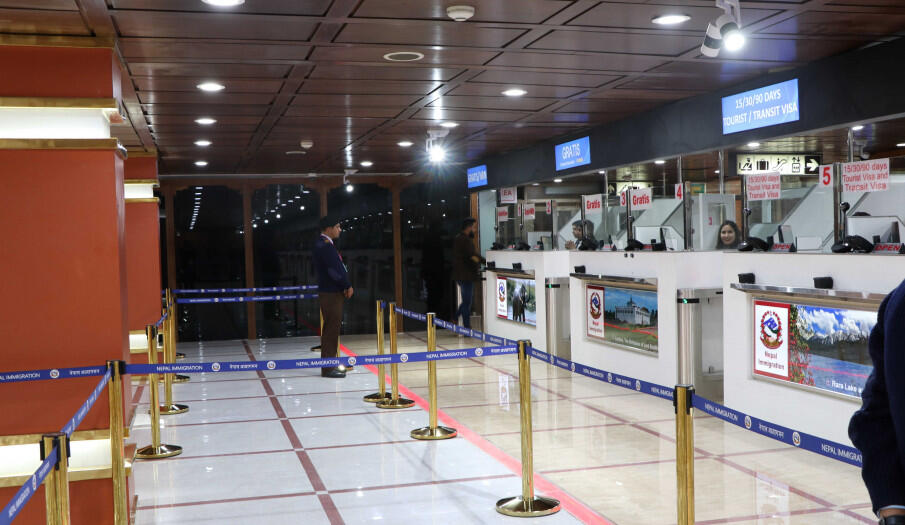
Nepal’s immigration rules permit business visas for foreign nationals licensed to invest in commercial or industrial enterprises in the country, as well as authorised representatives of such businesses, subject to recommendations from the relevant authorities. Business visas may also be issued to foreigners purchasing Nepali-produced goods for export.
However, the Immigration Rules, 1994, require business visa holders to remain in Nepal for the purposes for which their visas were issued. Such visas do not authorise employment, labour or unrelated activities.
Warning to foreign workers and employers
Following the incident, the Department of Immigration urged foreign nationals to engage only in activities permitted under their visa categories and conditions.
It also warned industries, companies and other employers against hiring foreign nationals without the appropriate visas and necessary approvals.
The department said action would be taken under prevailing laws against foreign nationals found violating immigration regulations or other applicable legislation.
The case underlines Nepal’s effort to maintain immigration compliance while seeking to preserve investor confidence in large-scale industrial projects.