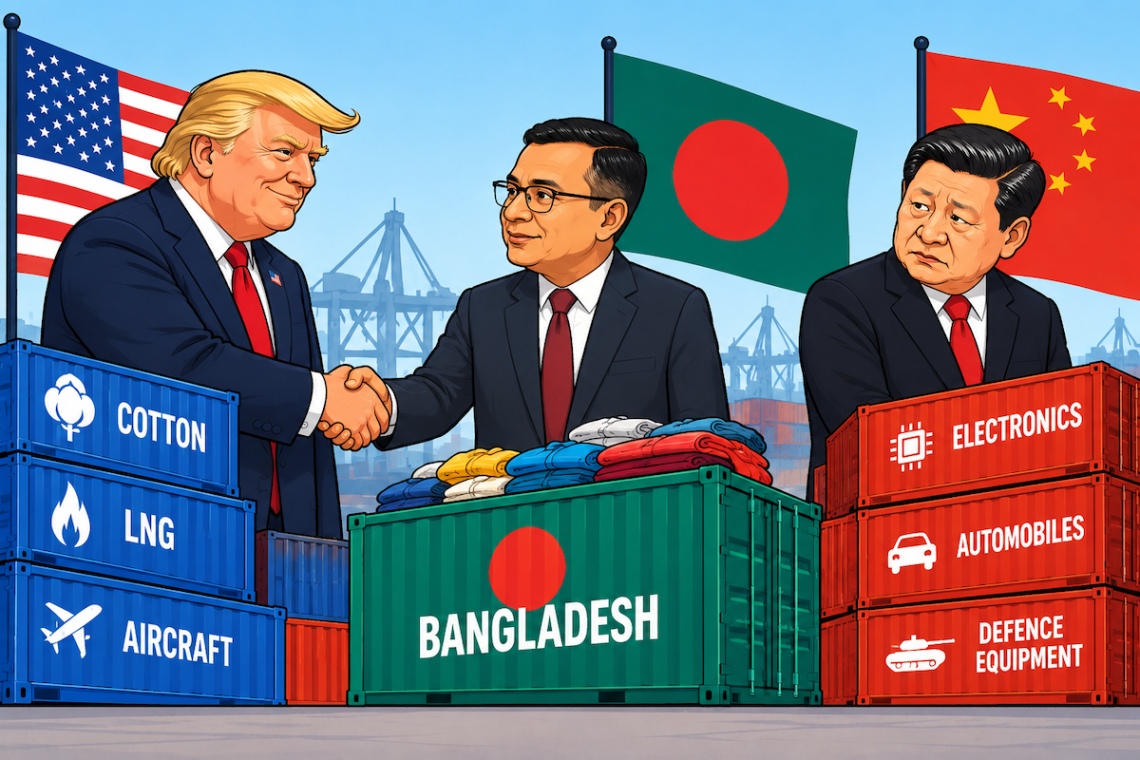
As Dhaka and Washington sign the ART, China stands to lose export market to B’desh…writes Dr SaKariya Kareem
At a time when Bangladesh is slated to graduate from the United Nations’ list of least developed countries, Dhaka’s signing of the Agreement on Reciprocal Trade (ART) with Washington has been a timely one. But in the bargain China is set to lose some of its lucrative export market in Bangladesh.
It is inconsequential that Dhaka has sought a three-year extension for the graduation to take place and the UN General Assembly will take a decision on this.
Whether now or in 2029, the graduation will upgrade the status of Bangladesh in the international arena; but at the cost of sacrifice of benefits like special market access for its export products and also some types of international aid.The ART is a timely move that will provide easier market access for Bangladeshi products in the US. Under its conditions, however, Dhaka will have to scale down its relations with Beijing.
Under the ART, the reciprocal tariff on Bangladeshi exports to the US has been cut to 19 percent from an earlier high of 37 percent. The deal also provides that garments made with raw materials from the US, both raw cotton and manmade fibre, will not face any reciprocal tariff when exported to the American market.
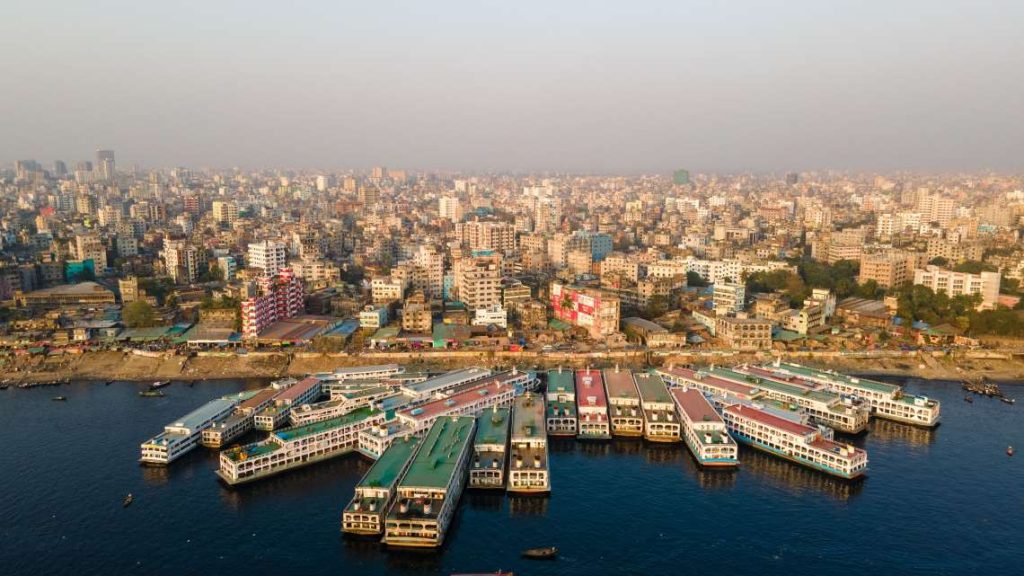
This is an advantage for Dhaka as the US is the biggest export market for readymade garments from Bangladesh. The ART will help Bangladesh recover some of its markets for readymade garments which it is set to lose in the absence of preferential market access to different countries after the upgradation of its status.
Under the ART, however, Bangladesh is committed to buying $3.7 billion worth of agricultural products and $15 billion worth of energy products from the US over 15 years; and military equipment as well as 14 civilian Boeing aircraft.
In fact, the imports of Dhaka from the US are already on the rise. Imports from the US, valued at about $600 million in the first quarter of 2026, more than doubled to about $1.3 billion in the second quarter.
Also Read: Nepal Balances Chinese Investment With Immigration Crackdown
Among the notable increase in imports from the US were petroleum products, mineral fuels, cotton, iron and steel, cereals, soybeans and animal feed, electrical equipment and plastic products. For some of these items, China is now the main supplier of Bangladesh. Orders have been placed for 25 civilian Boeing aircraft in two instalments. Bangladesh will also have to import from the US automobiles, for which now China is a main supplier.
Under the ART, Bangladesh will also have to increase the import of defence equipment from the United States, while limiting military procurement from certain other countries. “Bangladesh shall endeavour to increase the purchase of US military equipment and limit military equipment purchases from some countries,” the agreement says.
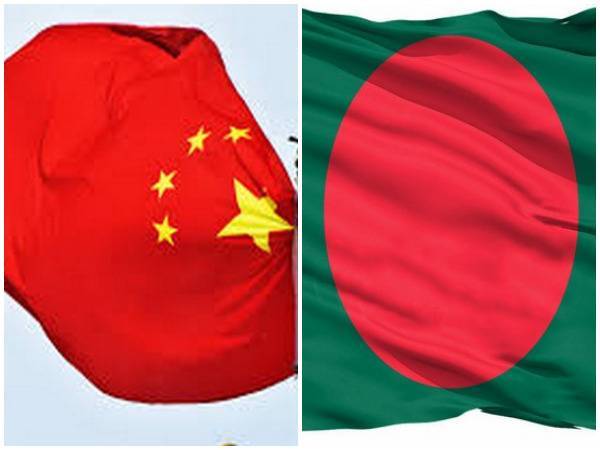
All these will hit China which is the leading partner of Bangladesh in trade; with the balance of trade highly skewed in favour of Beijing. In 2024-25 Bangladesh imported goods worth $18.5 billion from China, exporting to China goods worth a paltry $7 million; thus, leaving Dhaka with a trade deficit of nearly $18 billion. India is the second biggest trading partner of Bangladesh, with a trade imbalance of nearly $8 billion in favour of Delhi in 2024-25.
The US is the third most important trading partner of Bangladesh; but here the boot is on the other foot, with Dhaka enjoying a trade surplus with Washington. In 2024-25, Bangladeshi exports to the US amounted to about $8.7 billion while the imports of Bangladesh from the US were worth about $2.7 billion.
In the absence of any reciprocal tariff on garments made in Bangladesh with raw materials from the US, the terms of the ART will work to the detriment of Beijing as the demand for raw cotton and manmade fibre from Dhaka will shift from China to the US; readymade garments being the main export item of Bangladesh and raw cotton and manmade fibre the most important items that China exports to Bangladesh, worth about $4 billion annually.
The Federation of Bangladesh Chambers of Commerce and Industry has called for greater joint investment with China to narrow the large trade deficit with China. With diversions in Bangladeshi imports to the US, the balance of trade position of Dhaka with China will look healthier but Beijing will lose the bargaining power to push to Bangladesh more Chinese capital by way of FDI.
The clause in ART that Bangladesh should increase the purchase of military hardware from the US and limit such purchases from “some other countries” will hurt Beijing more. Though the text of the agreement publicly released does not spell it out in so many a draft version of the agreement provided by the US had included a provision calling for a decrease in the import of defence equipment from China.
Beijing has hitherto been the main source of defence hardware of Bangladesh; accounting for about 72 percent of the total arms import of Dhaka between 2019 and 2023.The Bangladesh army operates MBT 2000 and VT 5 battle tanks of Chinese origin, F-7BGI fighter aircraft, an advanced version of the Chinese F 7 series fighter aircraft, and has received two refurbished Ming class submarines from China.
The provisions of the trade agreement with the US may now stand in the way of Dhaka’s plan to buy from China 20 of the advanced J-10 CE fighter jets. Security experts in Bangladesh have warned that Dhaka must weigh the benefits of such purchases against geo-political considerations and closely examine the ART so provisions of the trade deal with the US are not violated.
Dhaka will not have to compromise with modernization of its air force by honouring the provisions of ART. Washington has offered to Dhaka an alternative military package, including F/A-18 Super Hornet multirole fighter aircraft, Apache attack helicopters, NASAMS air defence system comprising ground-to-air missiles and MQ-9 Reaper drones that can be used for strike operations. The American offer has been calibrated to matching capability what China is offering to Bangladesh.
According to analysts, the US can easily overtake China in export of high value items to Bangladesh; like medical equipment, liquefied natural gas, semiconductors and aircraft. It is true that in traditional areas like cotton, the freight costs for imports from the US will be higher than imports from China because of the physical distance between Bangladesh and the US vis-à-vis China. But analysts have pointed out that the difference in quality between American products and Chinese products can offset the higher costs of American products.