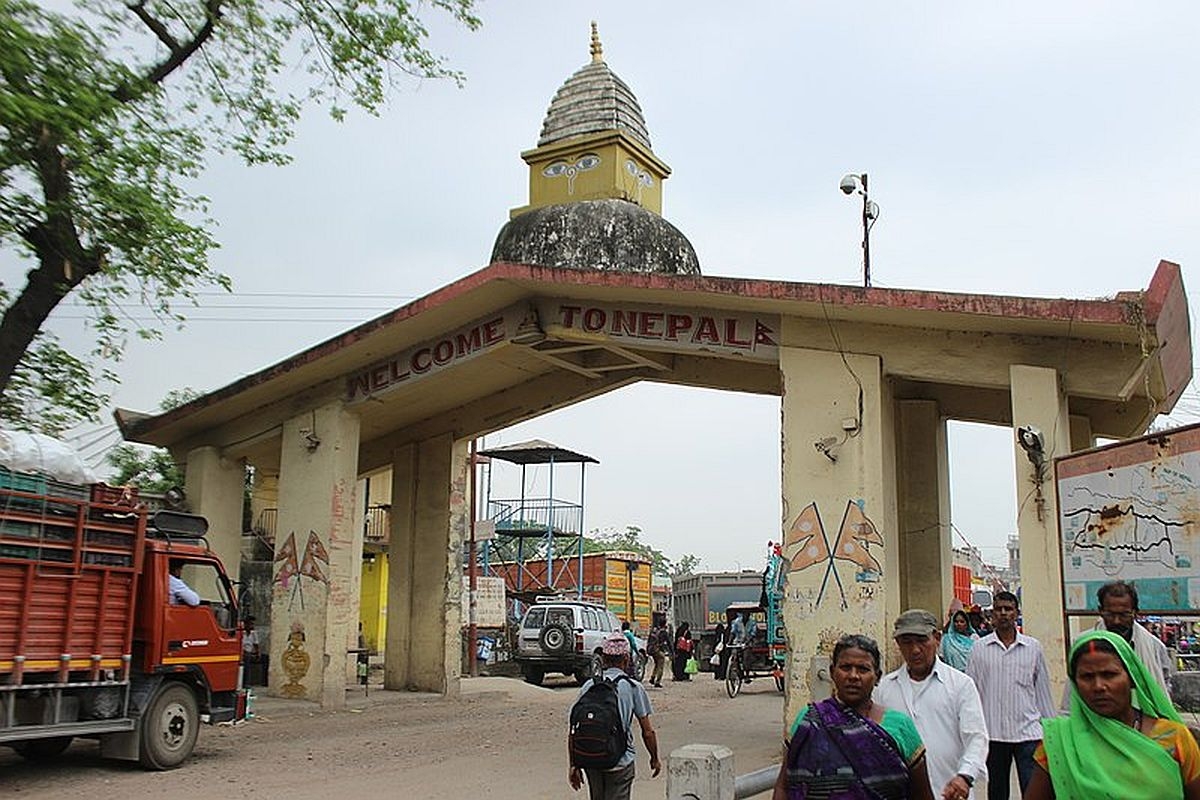
Both sides agreed to tighten border controls to prevent the infiltration of unwanted elements that could disrupt the elections….reports Asian Lite News
Security officials from Nepal and India have agreed to close border checkpoints for 72 hours during Nepal’s upcoming parliamentary elections on March 5. This measure aims to create a secure polling environment.
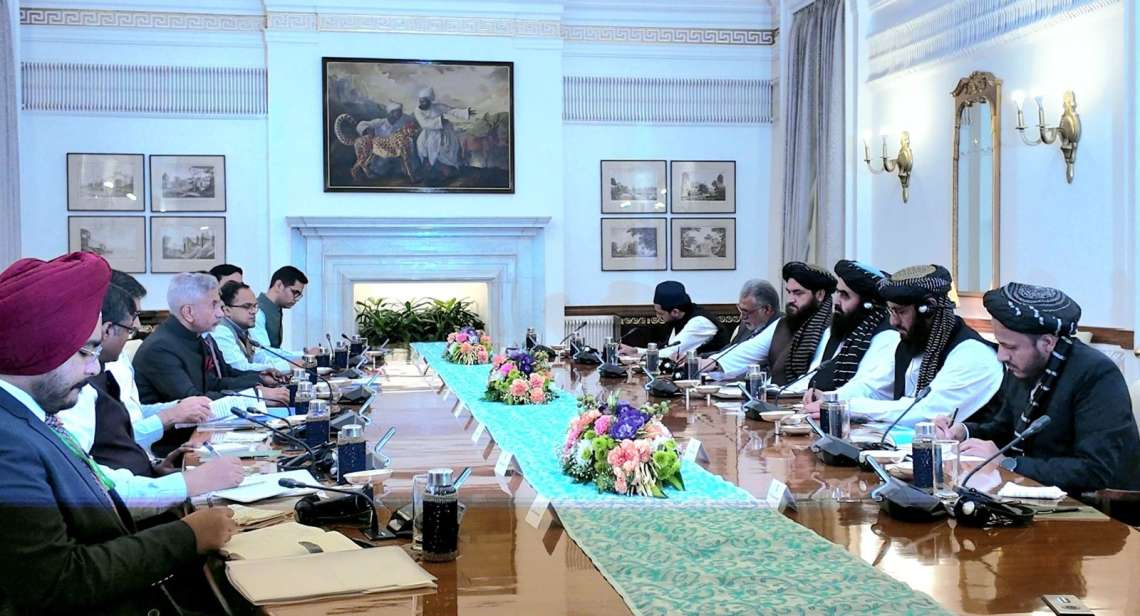
During the 16th Deputy Inspector General (DIG)-level coordination meeting between Nepal’s Armed Police Force (APF) and India’s Sashastra Seema Bal (SSB), held in Biratnagar in Morang district on Friday, both sides agreed to tighten border controls to prevent the infiltration of unwanted elements that could disrupt the elections.
“We requested the Indian side to close the border points two days ahead of the election day, and they agreed to our proposal,” DIG Bishnu Prasad Bhatt, spokesperson for the APF, told IANS. “As per the agreement, the border points will remain closed for three days (72 hours), including the election day.”
He said that closing border points ahead of elections is a customary practice in both countries. “Since security agencies are extensively deployed at polling centres during elections, it is essential to prevent the movement of unwanted groups across the border,” Bhatt added.
According to the APF, the two sides also discussed border security, control of cross-border crimes, prevention of illegal entry of third-country nationals, human trafficking, counterfeit currency, arms and ammunition, as well as the smuggling and trafficking of narcotics.
India has repeatedly expressed concerns about possible infiltration by Kashmiri and Pakistani militants taking advantage of the open border between Nepal and India.
The meeting also deliberated on the protection of border pillars, facilitation of passenger movement, joint patrols, disaster rescue drills and the conduct of joint sports activities, the APF said.
Both sides agreed to identify vulnerable border points, assess potential risks, maintain surveillance over the activities of refugees and migrants, and carry out regular checks at various levels.
They also discussed strictly enforcing a ban on the sale, distribution and consumption of intoxicating substances in border areas, according to the APF. “Such coordination meetings are held twice a year, alternately in Nepal and India,” Bhatt said.