Nepal Supreme Court rejects Oli’s habeas plea, seeks government response as protests grow, legal battle intensifies, and political tensions rise over arrests linked to deadly demonstrations, reports Asian Lite Newsdesk
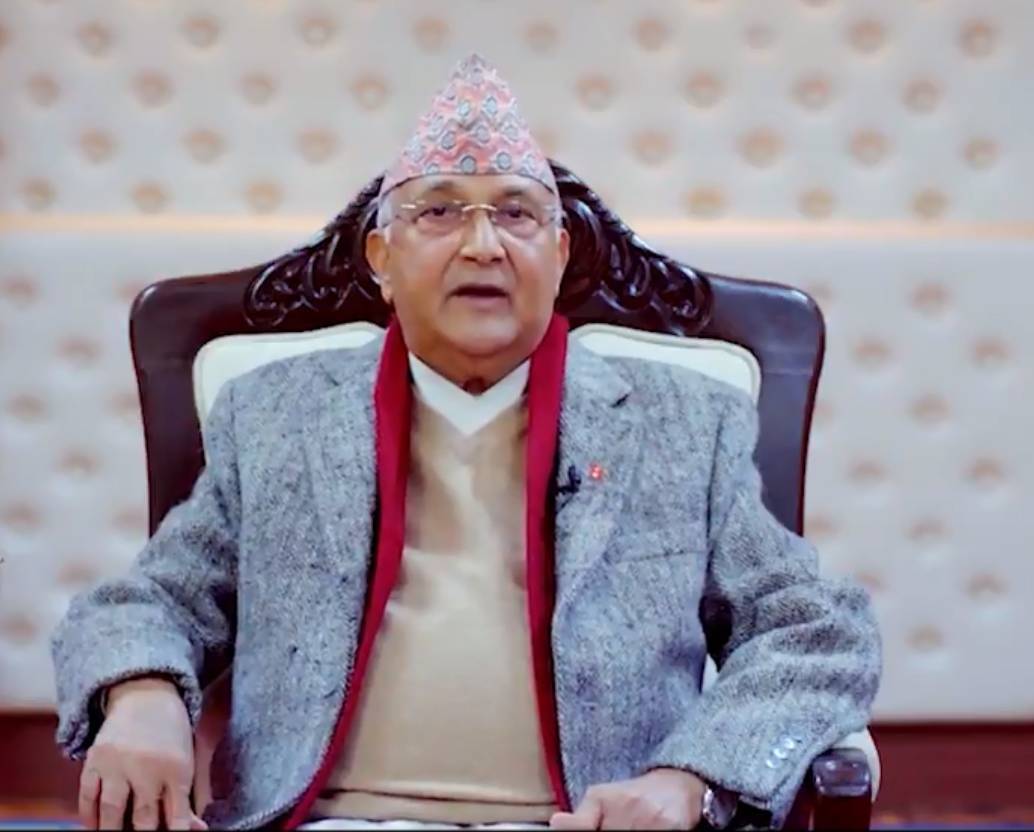
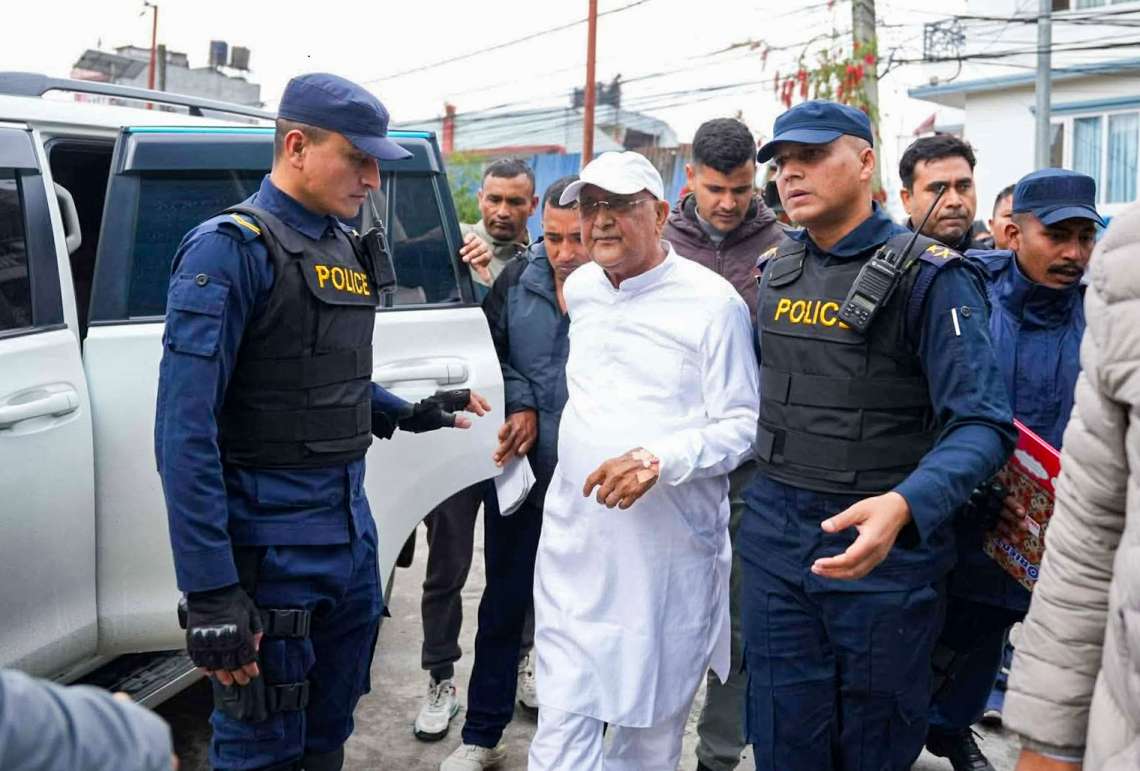
Nepal’s top court has refused to order the immediate release of former Prime Minister KP Sharma Oli, instead asking the government to justify his arrest in a case that has sparked nationwide protests and intensified political tensions.
A single bench of the Supreme Court of Nepal led by Justice Meghraj Pokharel dismissed the habeas corpus petition filed by Oli’s wife, Radhika Shakya, who argued that her husband was being detained unlawfully. The court, however, stopped short of ordering his release and issued a show-cause notice to the government, directing it to present legal grounds for his detention.
The ruling means that Oli will remain in custody for now, pending further judicial review. Legal experts say such show-cause orders often indicate the court is willing to examine the legality of detention but is not yet convinced enough to intervene immediately.
The decision mirrors an earlier ruling in the case of former Home Minister Ramesh Lekhak, whose habeas corpus petition was also rejected by Justice Kumar Regmi. Following the court’s order, Lekhak continues to remain in custody under a prior directive from the Kathmandu District Court.
Oli and Lekhak were arrested in connection with the violent incidents that unfolded during protests on September 8 and 9, 2025. Authorities have linked the two leaders to cases involving fatalities during the demonstrations, filing charges including homicide as part of an ongoing investigation.
The arrests have triggered widespread protests across Nepal, with supporters of Oli demanding his immediate release and calling for what they describe as a fair and impartial inquiry. Demonstrators have also questioned the credibility of an investigative report led by Gauri Bahadur Karki, alleging bias and urging authorities to scrap its findings.
The Communist Party of Nepal (Unified Marxist–Leninist), led by Oli, has escalated its rhetoric, warning of intensified protests if the government fails to act on its demands. The party has also called for a broader investigation into alleged acts of vandalism, arson, and looting during the protests, and urged scrutiny of the role played by non-governmental organisations.
Meanwhile, concerns over Oli’s health have added another dimension to the case. The former prime minister is currently undergoing treatment at a hospital, where doctors say he is being monitored for multiple conditions, including irregular heart rhythm and complications linked to his history of kidney transplants. Medical authorities confirmed he is under close supervision, with several underlying health issues requiring ongoing care.