Former Nepal Prime Minister KP Sharma Oli has been arrested in connection with last year’s deadly youth-led protests, marking a dramatic escalation in accountability efforts under the country’s new political leadership.
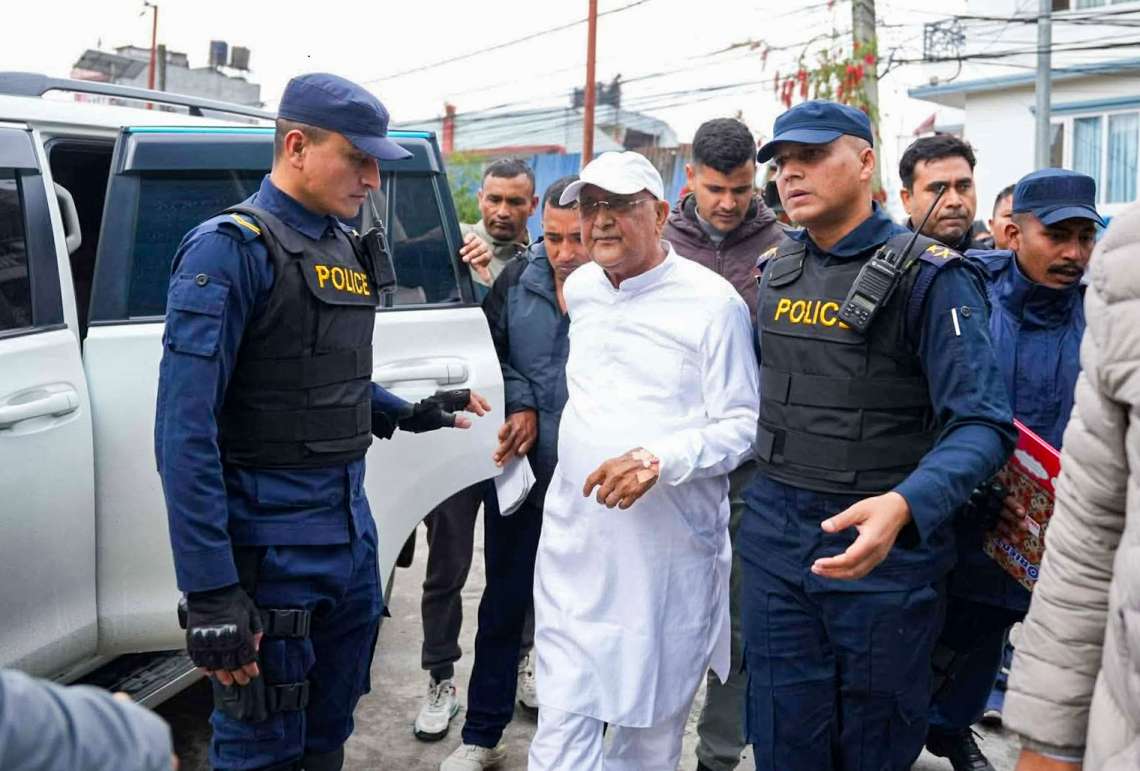
Oli was taken into custody from his residence in Bhaktapur on Saturday morning by Nepal Police, alongside his former Home Minister Ramesh Lekhak. Authorities confirmed that the arrests relate to their alleged roles during the September 2025 unrest, widely referred to as the “Gen Z protests,” which left more than 70 people dead, including at least 19 young demonstrators.
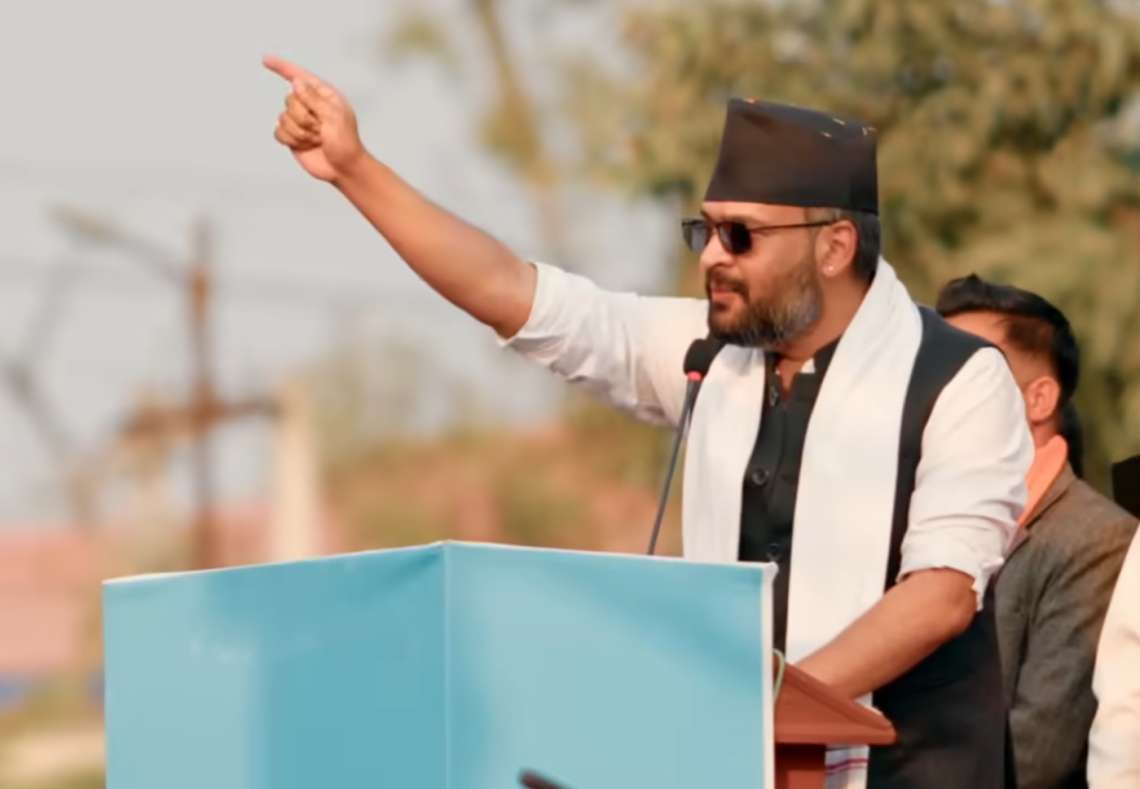
The move comes just a day after rapper-turned-politician Balendra Shah was sworn in as Nepal’s new prime minister, signalling a swift shift from campaign rhetoric to executive action. Officials framed the arrests as part of a broader push to implement the findings of a high-level inquiry commission tasked with investigating the violence.
Kathmandu Valley police said the arrests were carried out in accordance with legal procedure and that the case would now proceed through the courts. Shortly after the development, newly appointed Home Minister Sudan Gurung emphasised that the government was acting on principle rather than political vendetta. In a statement posted online, Gurung said “no one is above the law” and described the arrests as “the beginning of justice.”
Oli, however, rejected the allegations, calling his detention “vindictive” and politically motivated. Speaking briefly to reporters, he said he would contest the charges through legal channels.
The protests that triggered the investigation began on September 8 last year, initially sparked by a controversial short-term social media ban. What began as a digital rights issue quickly escalated into a nationwide anti-corruption movement, driven largely by young Nepalis frustrated with unemployment, rising living costs, and entrenched political elites.
Within days, demonstrations turned violent. Government buildings, including parts of parliament, were set ablaze, and security forces responded with live ammunition in several instances. The unrest ultimately led to the collapse of Oli’s government, plunging the country into a period of political uncertainty.
In the aftermath, Nepal’s first female chief justice, Sushila Karki, came out of retirement to head an interim administration. Her brief tenure was widely credited with stabilising the situation and paving the way for fresh elections.
Following his electoral victory, Shah moved quickly to act on the findings of the investigative commission. At its first cabinet meeting, his government approved the immediate implementation of the panel’s recommendations, which include up to 10 years’ imprisonment for those found responsible for negligence during the protests.
The commission concluded that while there was no clear evidence of a direct order to open fire on protesters, authorities failed to intervene effectively to stop the violence. It found that this lack of action contributed significantly to the death toll, including the loss of several minors.
The report also called for action against other senior officials, including then police chief Chandra Kuber Khapung, underscoring what it described as systemic failures in command and control during the crisis.