Nepal’s new Prime Minister Balendra Shah assumes office after a landslide election win, as expectations rise over governance reforms, economic delivery, and political stability, reports Asian Lite Newsdesk
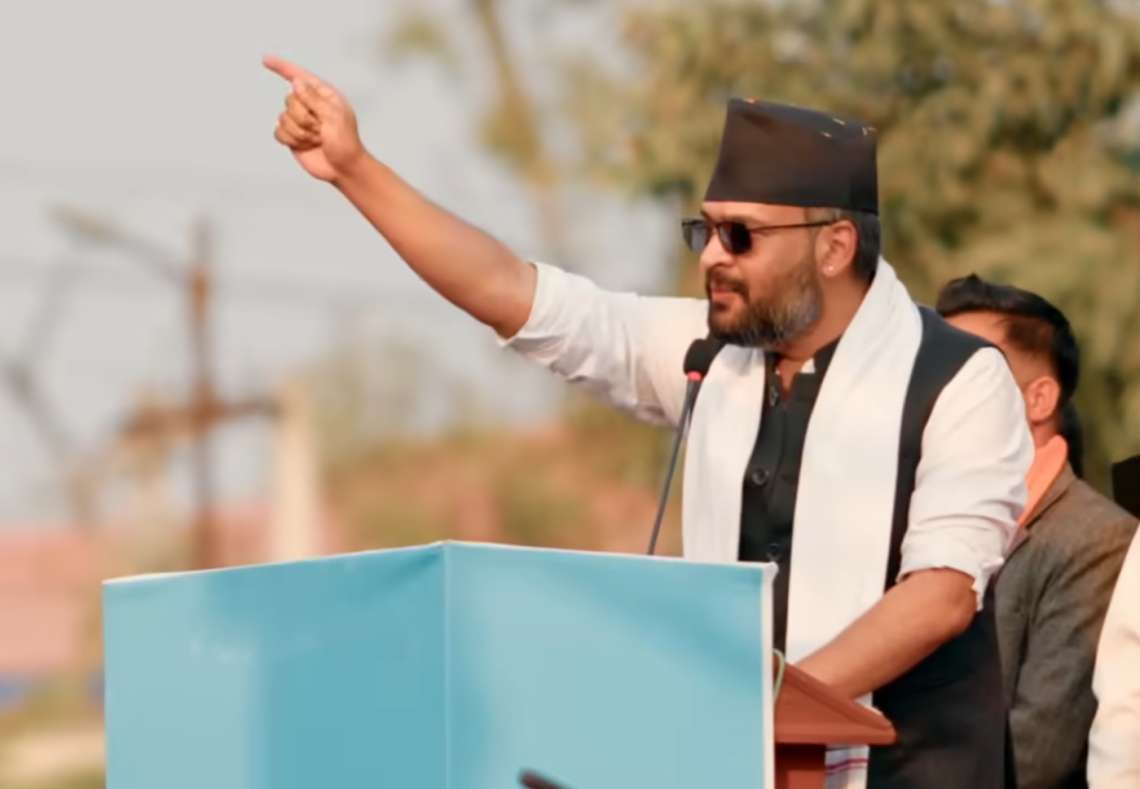
Nepal’s newly appointed Prime Minister Balendra Shah has taken office following a decisive election victory for the Rastriya Swatantra Party (RSP), marking a significant shift in the country’s political landscape as a younger generation moves into leadership roles.
The 35-year-old was sworn in as Nepal’s 47th Prime Minister after his party secured a near two-thirds majority in parliamentary elections held on 5 March. His rise reflects growing public dissatisfaction with established political parties and a demand for change, although expectations from the new government remain high.
Shah’s victory was one of the most emphatic in recent electoral history. Contesting from Jhapa-5 in eastern Nepal, he defeated former Prime Minister K P Sharma Oli by a margin of more than 49,000 votes, securing over 68,000 votes compared with Oli’s roughly 18,700.
The scale of the RSP’s victory — winning 182 out of 275 seats in the House of Representatives — points to a broader political shift. A large number of newly elected lawmakers are younger and include first-time parliamentarians, signalling a departure from Nepal’s traditional political leadership.
Shah himself entered national politics relatively recently. He first gained prominence after being elected mayor of Kathmandu in 2022 as an independent candidate. His leadership of the RSP in the national elections helped consolidate support among younger voters and urban constituencies.
Reactions from political leaders
Senior political figures across Nepal have responded with formal messages of support, while also highlighting the responsibilities that come with such a strong mandate.
Former Prime Minister Sushila Karki said she welcomed the transition and expressed hope that Shah would deliver on the public mandate. She also noted the significance of a younger leader assuming office.
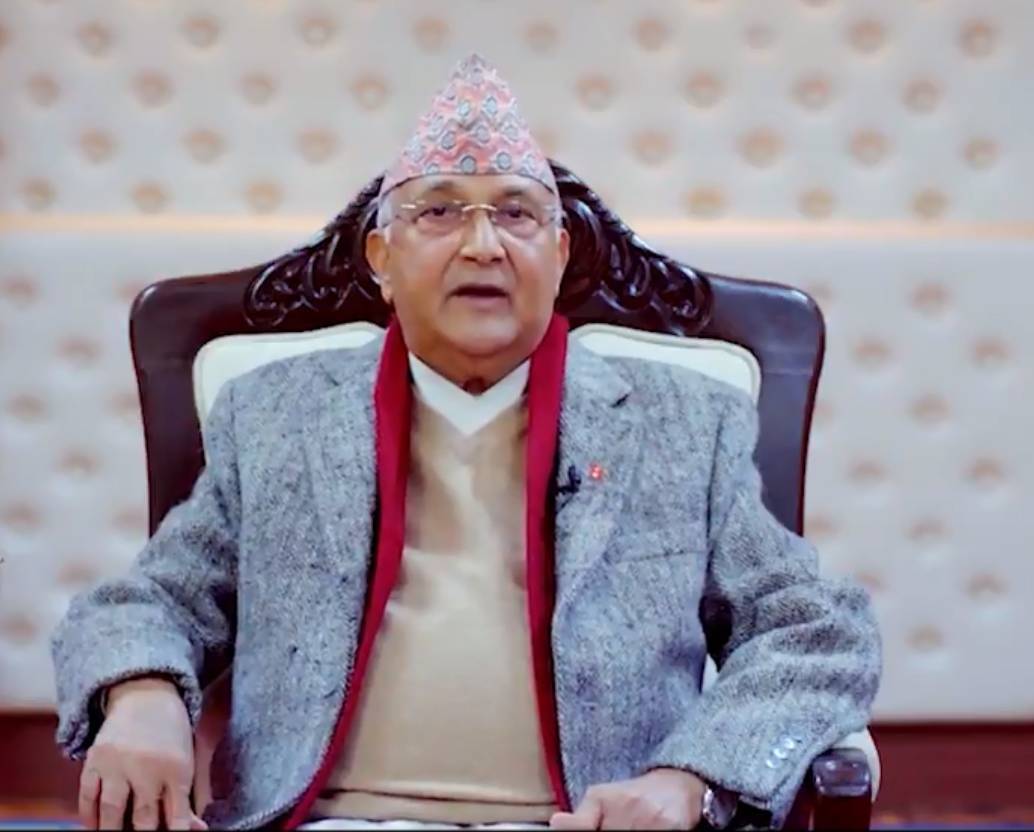
Mr Oli, despite his electoral defeat, also congratulated Shah and members of his Cabinet. The two had previously been political rivals during Shah’s tenure as mayor and Oli’s time as Prime Minister.
Gagan Thapa, President of the Nepali Congress, said his party would offer constructive support, particularly on issues related to governance, economic development and citizens’ rights.
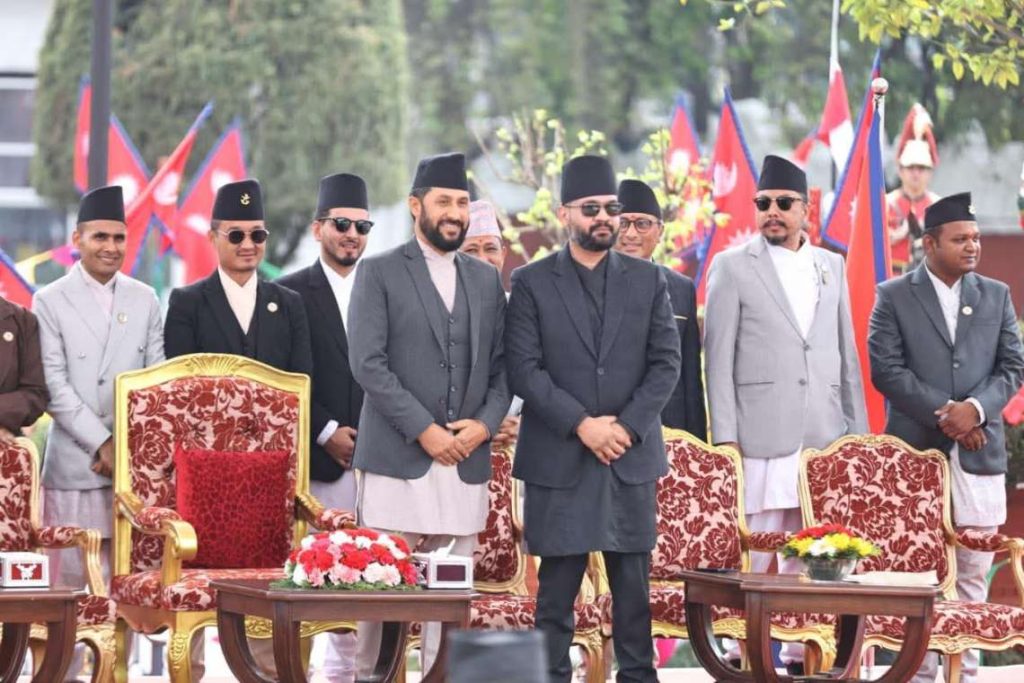
Following his appointment, Shah formed a 15-member Cabinet that includes a mix of new and relatively experienced figures. Key appointments include Swarnim Wagle as Finance Minister, Shishir Khanal as Foreign Minister, and Sudan Gurung as Home Minister.
Several Cabinet members are first-time ministers, although some have prior experience in policy or professional roles. Reports suggest that discussions over Cabinet formation involved internal negotiations within the ruling party, including differences over the number of ministries and allocation of portfolios.
The final Cabinet structure reflects a compromise after those discussions.
Policy priorities and challenges
The new government has indicated that it will focus on governance reforms and economic measures. Finance Minister Wagle said the administration would work to remove regulatory bottlenecks, including reviewing and scrapping certain laws seen as obstacles to economic development.
The RSP had campaigned on promises of improving governance, addressing corruption, and accelerating economic growth. However, Nepal continues to face structural economic challenges, including low industrial output and reliance on remittances, which may take time to address.
India was among the first countries to respond to the new government. Prime Minister Narendra Modi congratulated Shah and said he looked forward to working with him to strengthen bilateral relations.
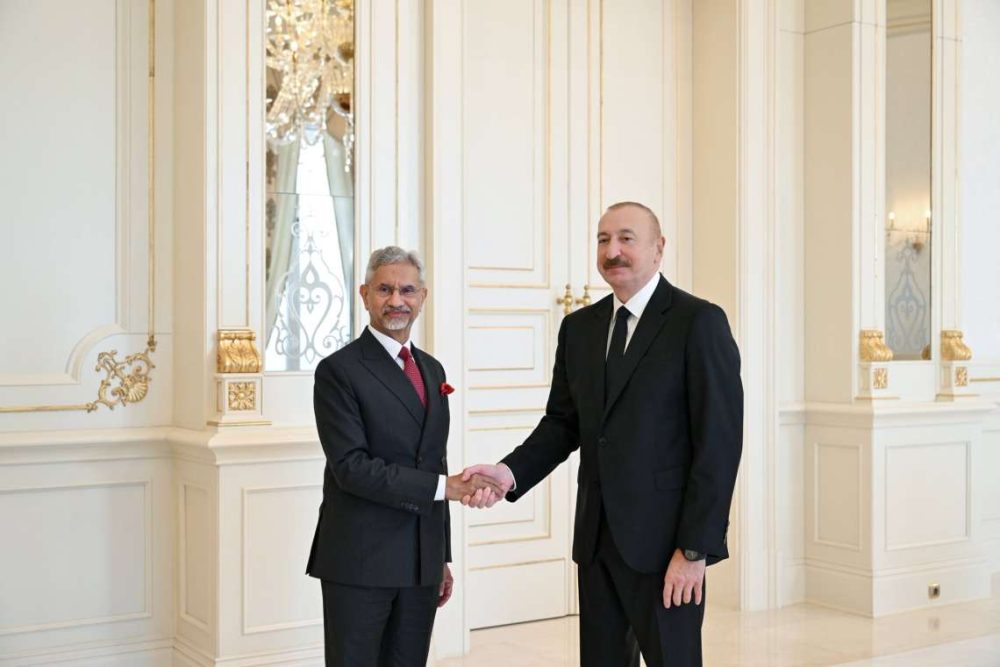
External Affairs Minister S Jaishankar also extended congratulations to Foreign Minister Khanal, signalling continuity in diplomatic engagement.
Nepal’s foreign policy is often shaped by its position between India and China, and the new government’s approach will be closely watched in the coming months.
A transition under scrutiny
Shah’s appointment comes at a time when public expectations are high following the election outcome. His rise has been associated with a broader youth-led political shift, but the effectiveness of his administration will depend on its ability to deliver on campaign commitments.
With a strong parliamentary majority, the government has the legislative backing to pursue reforms. At the same time, managing internal party dynamics and addressing economic and administrative challenges are likely to be key tests in the early stages of its tenure.