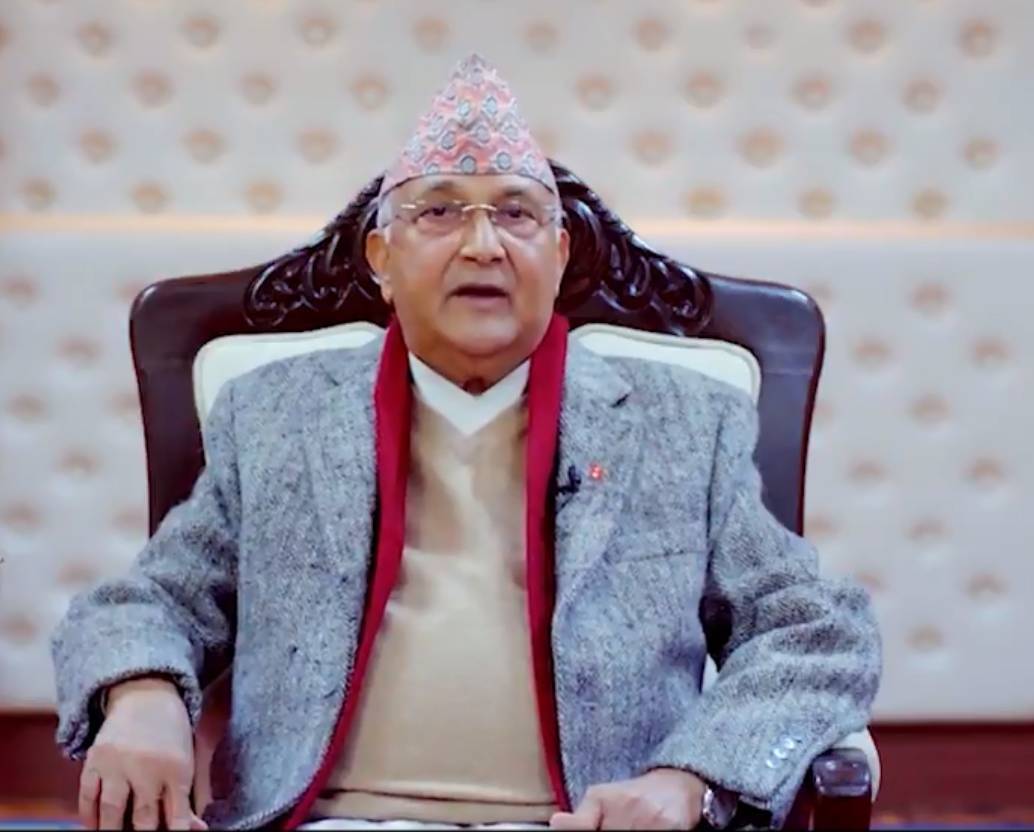
Nepal stands at a critical crossroads following the resignation of Prime Minister KP Sharma Oli, who stepped down under mounting pressure from the most violent protests the nation has witnessed in decades. The so-called “Gen Z protests,” leading to at least 19 deaths and over 200 injuries, were triggered by a controversial social media ban and widespread discontent over corruption and governance.
Prime Minister KP Sharma Oli has tendered his resignation, accepted by President Ramchandra Paudel, in the wake of widespread “Gen Z” protests that escalated into the deadliest unrest Nepal has seen in years. The move follows escalating clashes between demonstrators and security forces, leaving at least 19 civilians dead and hundreds more injured across Kathmandu and other cities.
The unrest was sparked by the government’s controversial imposition of a social media ban, targeting platforms such as Facebook, Instagram, WhatsApp, X, and YouTube for failing to register under new regulations. Critics swiftly condemned the ban as a draconian blow to free speech and civil liberties. Despite efforts to defuse tensions—including lifting the ban late Monday evening—the protests intensified, with brutal clashes erupting near the federal parliament and across the capital.
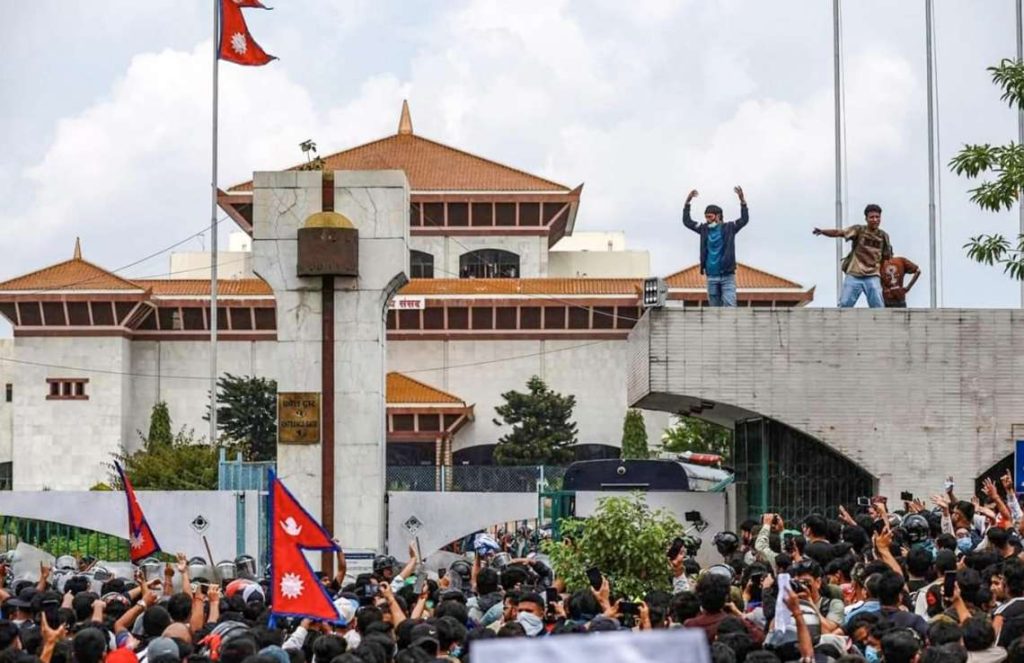
The violence quickly spiraled out of control. Protesters — primarily youths demanding an end to governmental corruption and greater transparency — stormed political buildings and set fire to the residences of high-profile figures, including President Paudel and Home Minister Ramesh Lekhak. Multiple political offices were vandalised, and curfews were imposed in several cities.
The scale of public outrage proved overwhelming. In an emergency cabinet gathering, Home Minister Ramesh Lekhak resigned, citing moral responsibility for the crackdown’s deadly toll. Within hours, additional ministers—such as Agriculture Minister Ram Nath Adhikari—and multiple MPs from the Rastriya Swatantra Party followed suit.
Faced with spiraling violence and mounting resignations, PM Oli acknowledged the untenable state of affairs. In his resignation letter, he highlighted the urgency to relieve national tensions and allow political resolution within constitutional norms. President Paudel promptly began the process to appoint a successor, while authorities urged restraint and called for dialogue to restore order.
Internationally, neighbouring India expressed concern for the casualties and urged calm, while a coalition of embassies called for de-escalation and protection of civil rights