India’s traditional role as a stabilising anchor in the region is under scrutiny, with critics pointing to its inability to prevent spiralling unrest in its immediate backyard, writes Aravind Rajeev
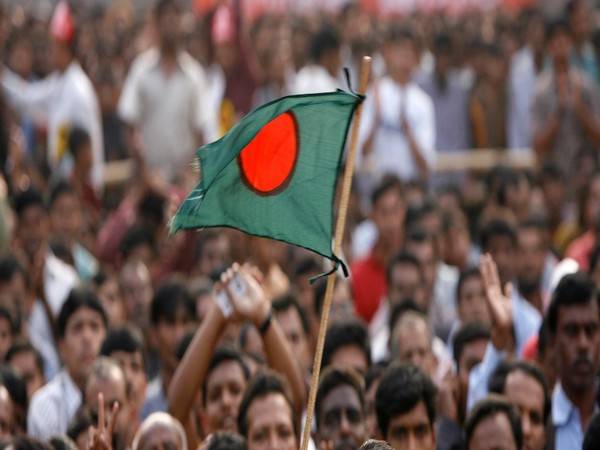
Former prime minister Sheikh Hasina’s dramatic flight from Dhaka last August marked a turning point in South Asia’s fragile balance. Forced out by months of street protests and an uprising that tore through her Awami League stronghold, she sought refuge in India.
Since then, Delhi has found itself hosting a leader who once ruled Bangladesh with an iron grip but is now wanted back home by an interim government keen to hold her to account.
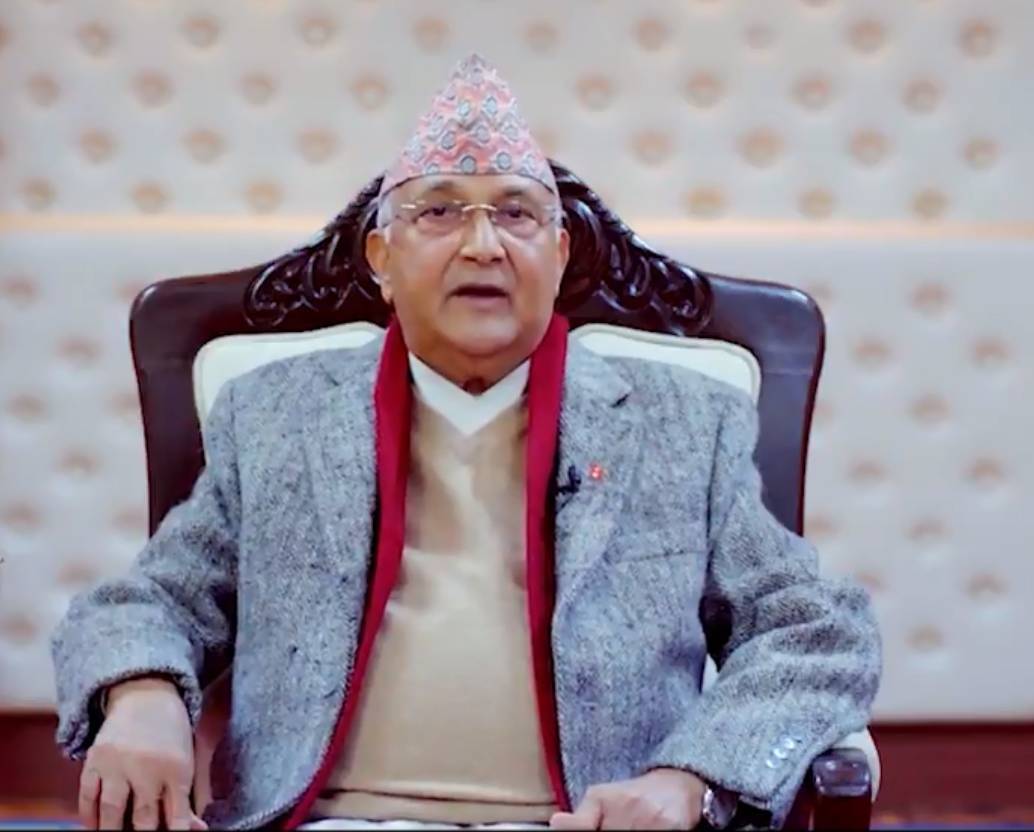
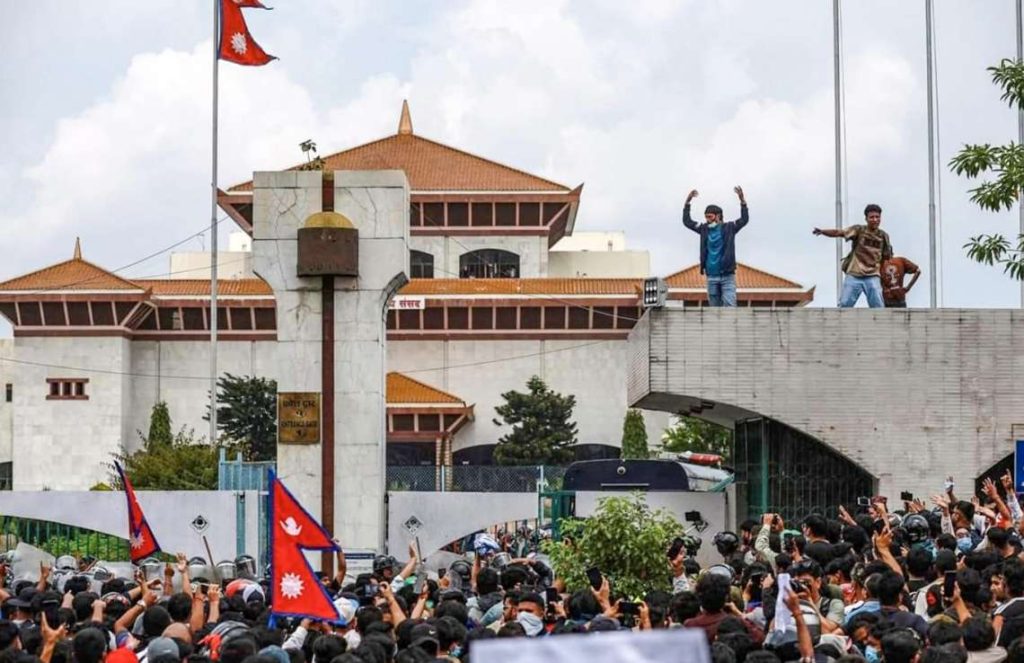
Barely a year later, Nepal has erupted. Prime Minister KP Sharma Oli resigned after days of violent demonstrations led largely by Gen Z protesters demanding an end to corruption, heavy-handed policing and suffocating restrictions.
Nearly 20 people have been killed, hundreds more injured, and government buildings and homes of senior leaders attacked. For the second time in as many years, a neighbour’s political order has unravelled, sending shockwaves across the region and testing India’s crisis management.
What makes this moment perilous for New Delhi is the convergence of two storms.
In Bangladesh, sheltering Hasina has already drawn accusations that India is interfering in domestic politics. In Nepal, Oli, a leader with a history of political friction with India and a tendency to lean on Beijing when cornered, could decide to follow Hasina’s path and seek protection across the border.
Were that to happen, India would find itself hosting not one, but two controversial figures from neighbouring states, further complicating its standing in South Asia.
The geopolitical cost is rising. India’s traditional role as a stabilising anchor in the region is under scrutiny, with critics pointing to its inability to prevent spiralling unrest in its immediate backyard.
At the same time, China is quietly watching and waiting. Beijing has steadily invested in infrastructure and influence in both Nepal and Bangladesh, and every crisis that weakens Delhi’s hold creates an opening for China to step in.
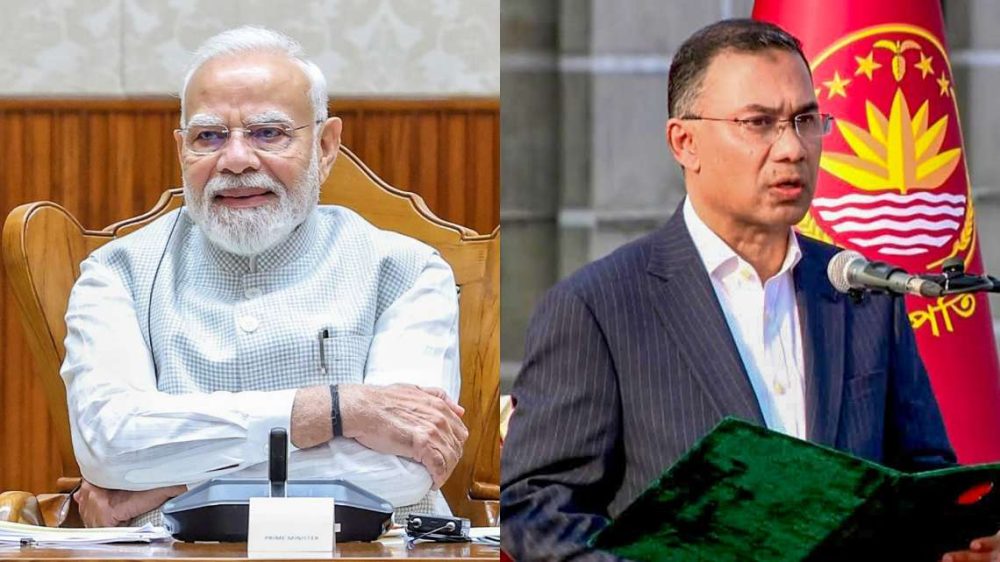
For Prime Minister Narendra Modi’s government, the challenge is not simply whether to extend refuge but how to balance humanitarian responsibility with long-term strategic interest. Offering sanctuary to toppled leaders may look like neighbourly solidarity, but it risks alienating the very populations that ousted them.
South Asia’s street movements, from Dhaka to Kathmandu, are driven by younger, restless citizens who demand accountability and are deeply sceptical of entrenched elites. If India is seen as shielding those elites, it risks losing the goodwill of a rising generation across its borders.
Delhi’s options are narrowing. It cannot afford to be dragged into domestic power struggles in neighbouring capitals, yet it also cannot remain indifferent as instability grows on its doorstep.
What India needs is a deft recalibration. Open channels with interim governments, quiet diplomacy to ease tensions, and a careful message that its hospitality for Hasina or Oli does not translate into political endorsement.

The reality is stark. India’s neighbourhood is on fire, and its ability to navigate this turbulence will define its credibility as a regional power. Hosting exiled leaders may buy short-term calm, but unless paired with a broader strategy of engagement and restraint, it risks fuelling resentment and tilting the regional balance against Delhi itself.