Sheikh Hasina vows to return to Bangladesh despite risks of arrest or violence, while urging the US to support inclusive elections and democratic institutions….reports Asian Lite News Desk
Former Bangladesh Prime Minister Sheikh Hasina has vowed to return to her country despite the risk of arrest, torture or death, saying she cannot remain away while her supporters and ordinary citizens continue to suffer. Speaking virtually at a press conference in Washington, she also urged the United States to support democracy, inclusive elections and political pluralism in Bangladesh.
“How risky it is, I don’t care. I have to go back,” Hasina said.
The former Prime Minister has been living in India since her government collapsed following mass protests in August 2024. She thanked the Indian government and people for providing her refuge during the political upheaval.
“Well, thanks to Indian government, and the people, all party, they received me just like 1975,” she said, recalling the period when she and her sister survived the assassination of several members of their family.
Hasina said she understood that returning to Bangladesh could expose her to imprisonment or violence but maintained that her political responsibilities required her to stand alongside her supporters.
She cited previous occasions when she had returned to Bangladesh despite threats to her safety, including her return in 1981 after spending years abroad following the assassination of her father, Sheikh Mujibur Rahman, and other family members in 1975.
She also recalled returning during the political emergency in 2007, when she faced criminal allegations.
Hasina accused Bangladesh’s current political leadership of using criminal proceedings against her and members of the Awami League to suppress political opposition. She disputed the legitimacy of the cases and argued that allegations against political leaders should be resolved through fair judicial proceedings.
However, she did not announce a date for her return to Bangladesh.
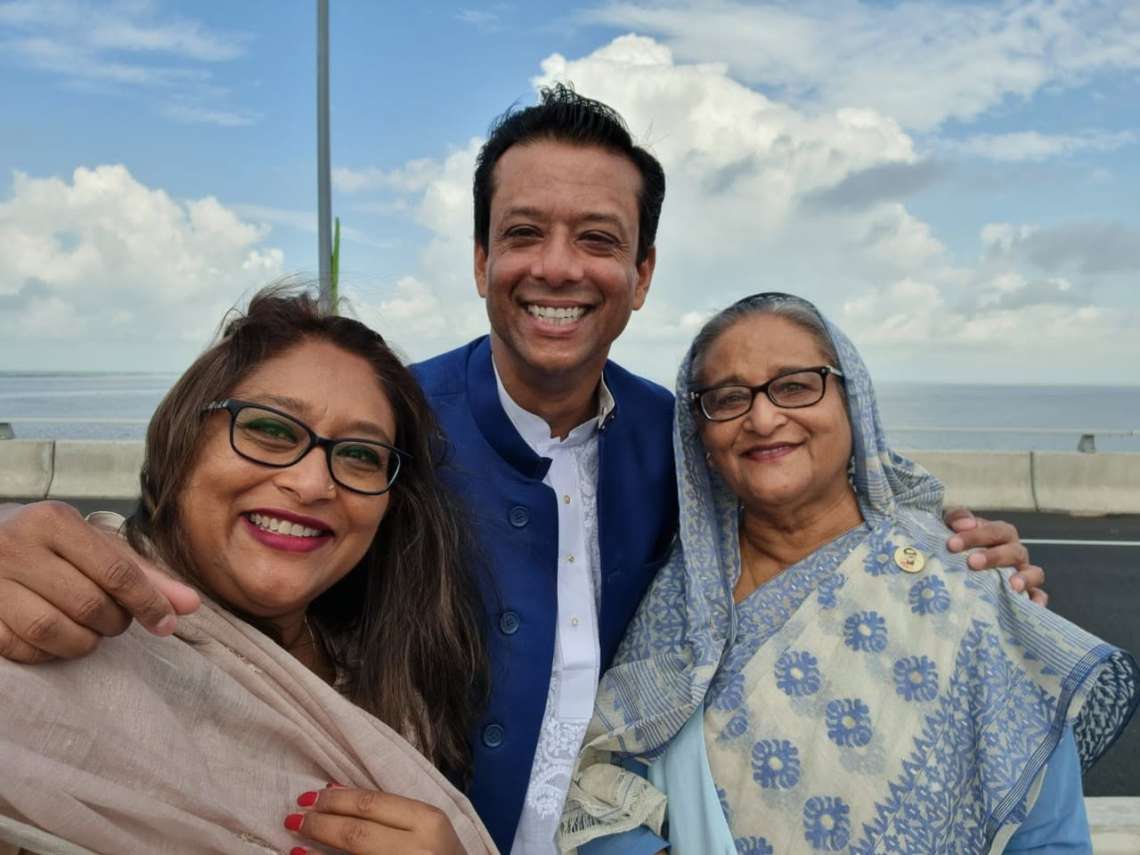
Her son, Sajeeb Wazed Joy, subsequently told journalists that no date had been fixed and that an announcement would be made closer to the time.
In her appeal to Washington, Hasina urged the United States to support democratic institutions and inclusive political processes rather than favouring any particular leader or political party.
“My message to Washington, I do not ask the U.S. to choose Sheik Hasina or Romani. I ask the U.S. to choose democracy,” she said, according to the conference transcript.
She argued that Bangladesh’s political future should be determined by its citizens through free and inclusive democratic processes.
“I ask that Bangladeshis determine their government through free inclusive political process,” Hasina said.
The former Prime Minister called for independent courts, freedom of expression, freedom of political association, protection of minorities and respect for due process.
She warned that excluding political parties from democratic participation would deepen divisions and undermine efforts towards national reconciliation.
Also Read: US-Dhaka deal dents Chinese Dreams in Bangladesh
“Equally, those who oppose my government are citizens whose rights must be respected. The future of Bangladesh must be built on reconciliation, not revenge,” she said.
Hasina also acknowledged that questions remained over her administration’s record and the events surrounding the 2024 protests.
“I acknowledge the difficult questions surrounding my government, the events of 2024 and their aftermath,” she said.
She maintained that allegations against anyone, including herself, should be addressed through transparent and impartial legal proceedings.
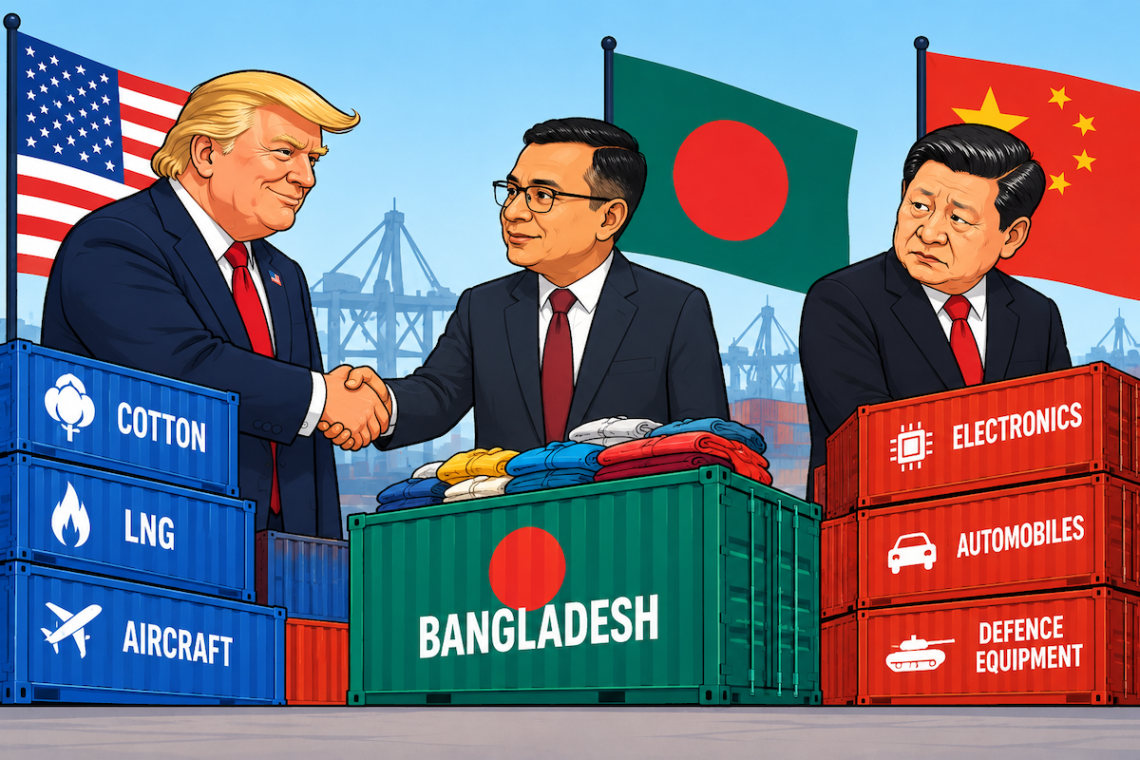
On foreign relations, Hasina called for constructive ties with neighbouring countries and major international partners, including India, the United States, China and Japan.
She argued that Bangladesh should not become a battleground for competition among major powers.
Hasina also expressed support for stronger economic relations with Washington, highlighting opportunities for American investment and cooperation in education, technology and security.
Her remarks come amid continuing political uncertainty in Bangladesh following the collapse of her government in August 2024. Her stated intention to return highlights the continuing political divisions surrounding her departure and the future role of the Awami League.