Around 150 to 200 visitors are arriving daily at Dharapani, raising hopes for a stronger peak season and renewed income for mountain communities….reports Asian Lite News Desk
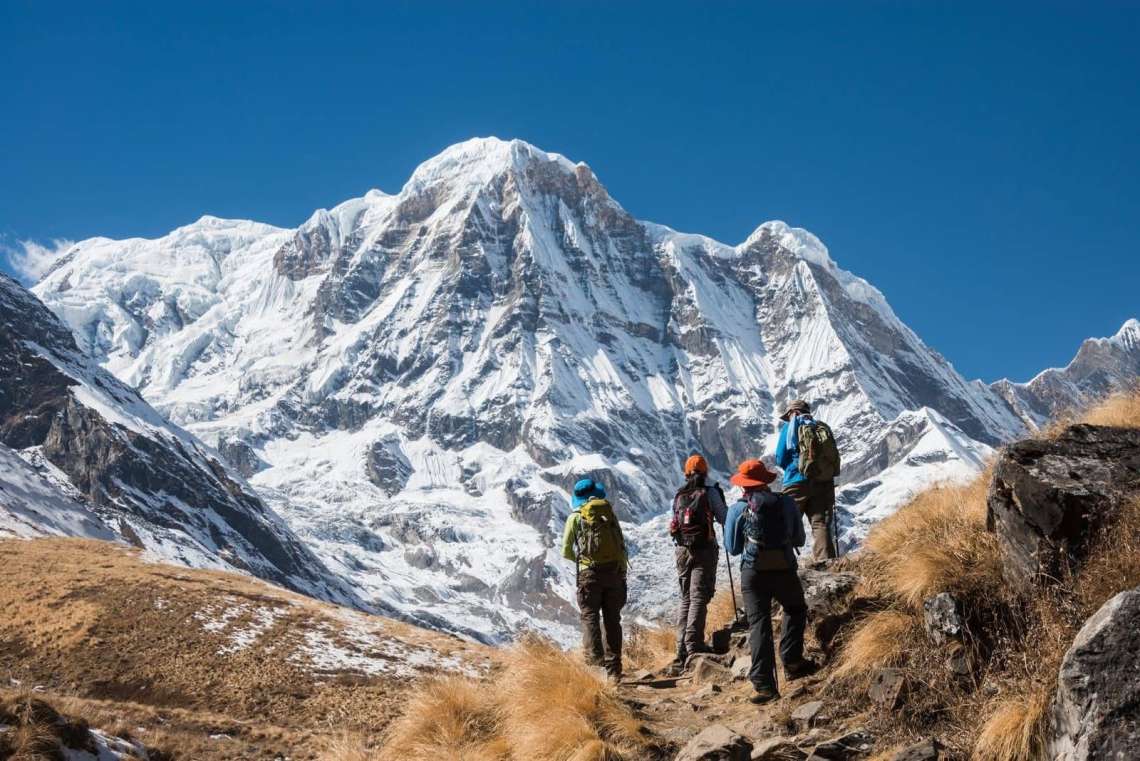
Nepal’s popular Annapurna Circuit trekking route is witnessing a recovery in tourist arrivals after floods, landslides and severe weather disrupted travel across the Himalayan region. Around 150 to 200 visitors are now arriving daily at the tourist check and information centre in Dharapani, signalling a gradual revival as trail-clearing operations restore access ahead of the peak trekking season.
Located at an altitude of around 1,900 metres in northern Nepal, Dharapani serves as an important checkpoint for trekkers heading towards the Annapurna Circuit and Manaslu Circuit. Tourist arrivals had fallen to just one or two trekkers a day when heavy rain and snowfall blocked roads and trekking paths across the Manang region, The Himalayan Times reported on Monday.
The recovery follows efforts to clear damaged trails and reopen access along the route, including the Thorong La Pass, which stands at 5,416 metres. The reopening of key sections has improved accessibility for trekkers and raised hopes among tourism operators that visitor numbers will continue to increase.
The Annapurna Circuit is one of Nepal’s best-known trekking routes, stretching from Besisahar in Lamjung District through the high-altitude landscapes of Manang, crossing the Thorong La Pass and descending into Mustang. The route attracts adventure travellers from around the world for its Himalayan scenery, varied ecosystems and cultural heritage.
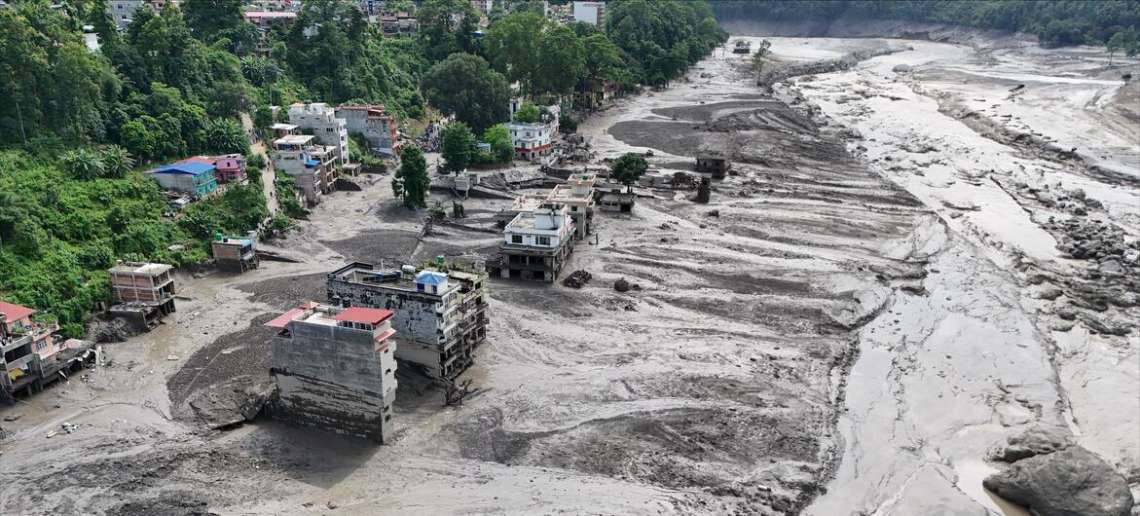
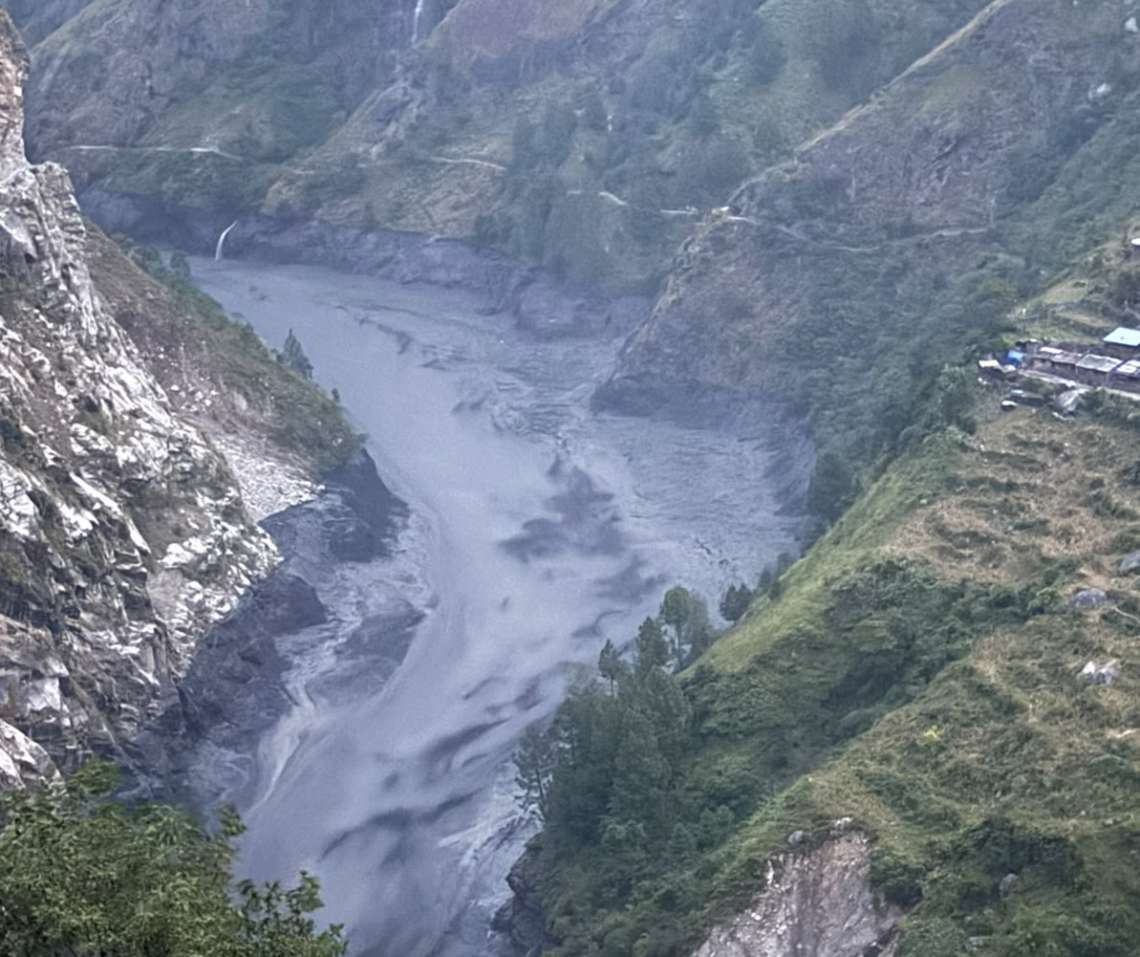
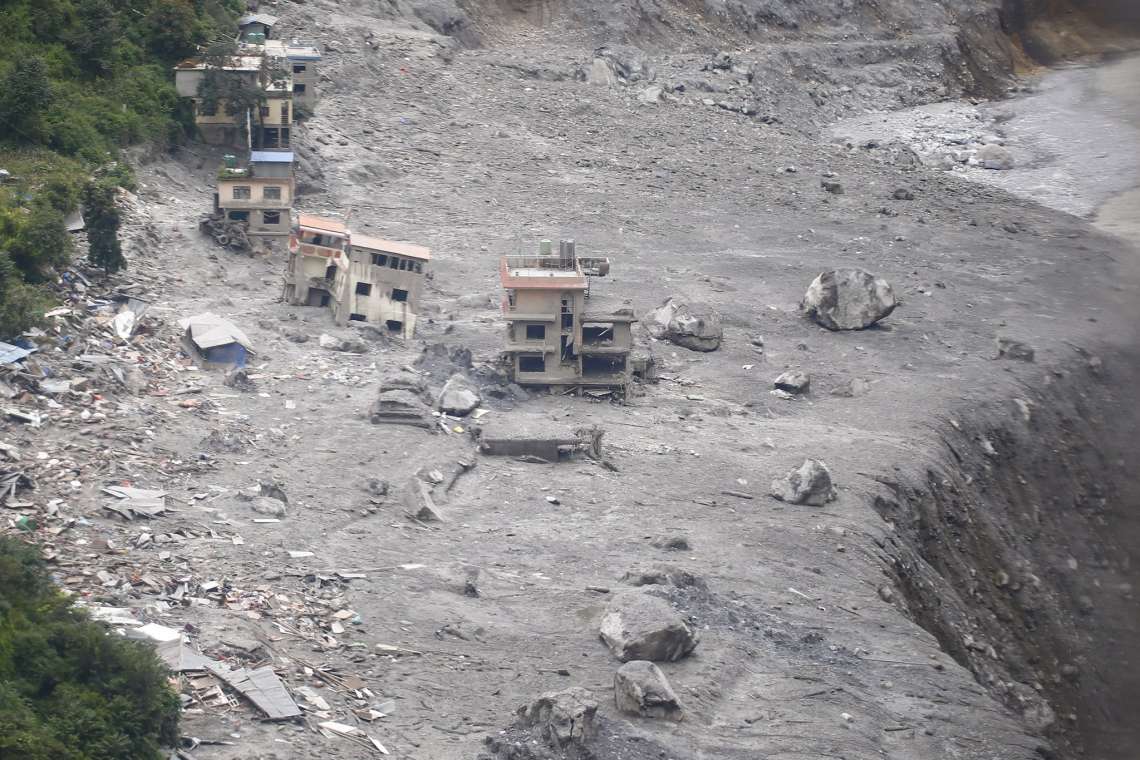
However, recent floods, landslides and heavy snowfall caused widespread disruption to tourism in the region. Hundreds of visitors were stranded in Manang, while many trekkers were forced to abandon or postpone their journeys. Sections of roads were washed away, cutting transport links and delaying rescue and restoration operations.
The disruption dealt a blow to local businesses that depend on trekking tourism for their livelihoods. Guides, transport operators, accommodation providers and hospitality businesses in mountain communities rely heavily on visitor spending, making them particularly vulnerable to weather-related disasters.
Nepal’s tourism challenges come amid broader economic pressures linked to natural disasters and weaker tourism earnings. The World Bank’s Nepal Development Update for October 2026 noted that the August floods were expected to affect the economy through four main channels: energy, transportation, trade and tourism.
According to a Nepal Rastra Bank report cited by Nepal News, tourism income declined by 2.2 per cent during the first 10 months of fiscal year 2025-26, covering July 17, 2025, to May 14, 2026. Tourism earnings stood at Rs 74.18 billion, down from Rs 75.83 billion during the corresponding period of the previous fiscal year.
Travel-related expenditure also fell by 3.4 per cent to Rs 177.87 billion from Rs 184.22 billion. However, spending continued to exceed tourism income, contributing to a net service income deficit of Rs 68.22 billion, the report said.
The sector subsequently faced further disruption following the August 26 disaster, when the collapse of a glacier section triggered catastrophic flash floods across several districts, particularly along the Nepal-Tibet border.
Despite these setbacks, tourism entrepreneurs are optimistic that improving trail conditions and restored transport connections will attract more visitors during the peak trekking season. They hope the region can return to the daily arrivals of 400 to 500 trekkers recorded during busier periods.
With roads gradually reopening and weather conditions stabilising, the recovery of the Annapurna Circuit offers a measure of relief for Nepal’s mountain tourism industry and the communities that depend on it.