Balendra Shah says climate change risks facing the Himalayas demand urgent international attention…reports Asian Lite News Desk
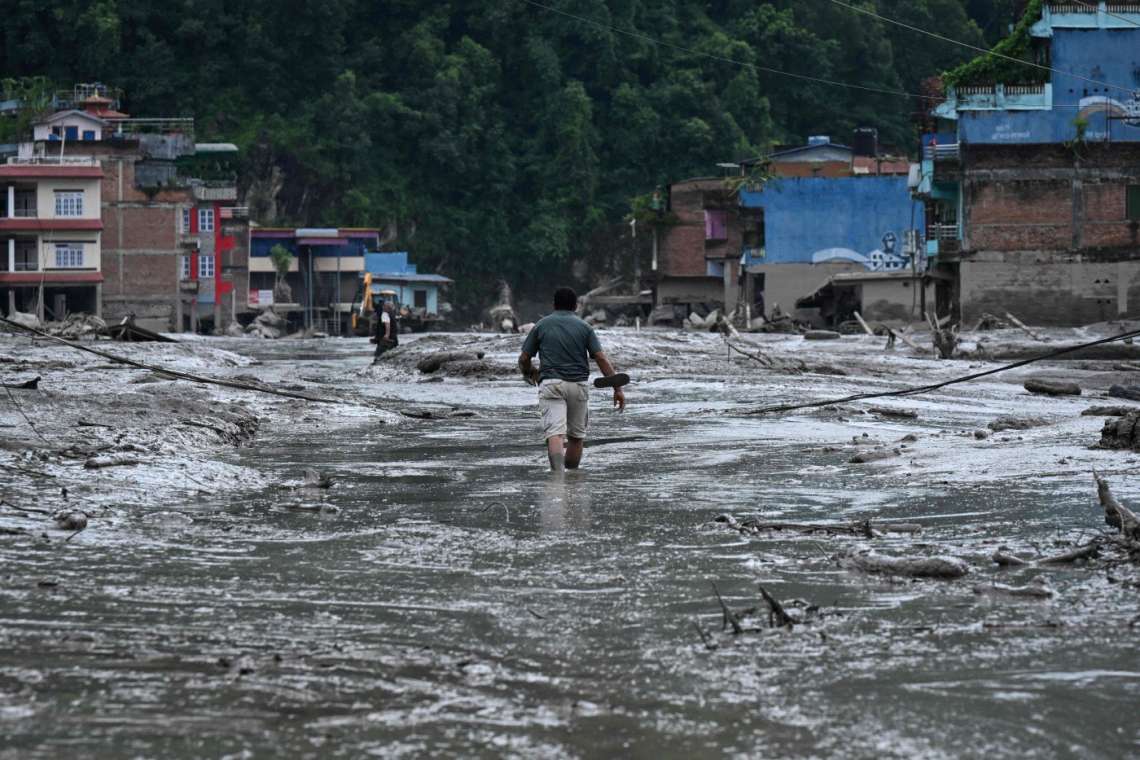
Nepal Prime Minister Balendra Shah on Wednesday called for greater international action to address mounting climate risks in the Himalayan region, as the death toll from devastating floods in the Bhotekoshi River crossed 1,100.
Addressing the House of Representatives, Shah said the scale of the disaster underscored the urgent need for Nepal to draw global attention to the increasingly severe consequences of climate change facing Himalayan communities.
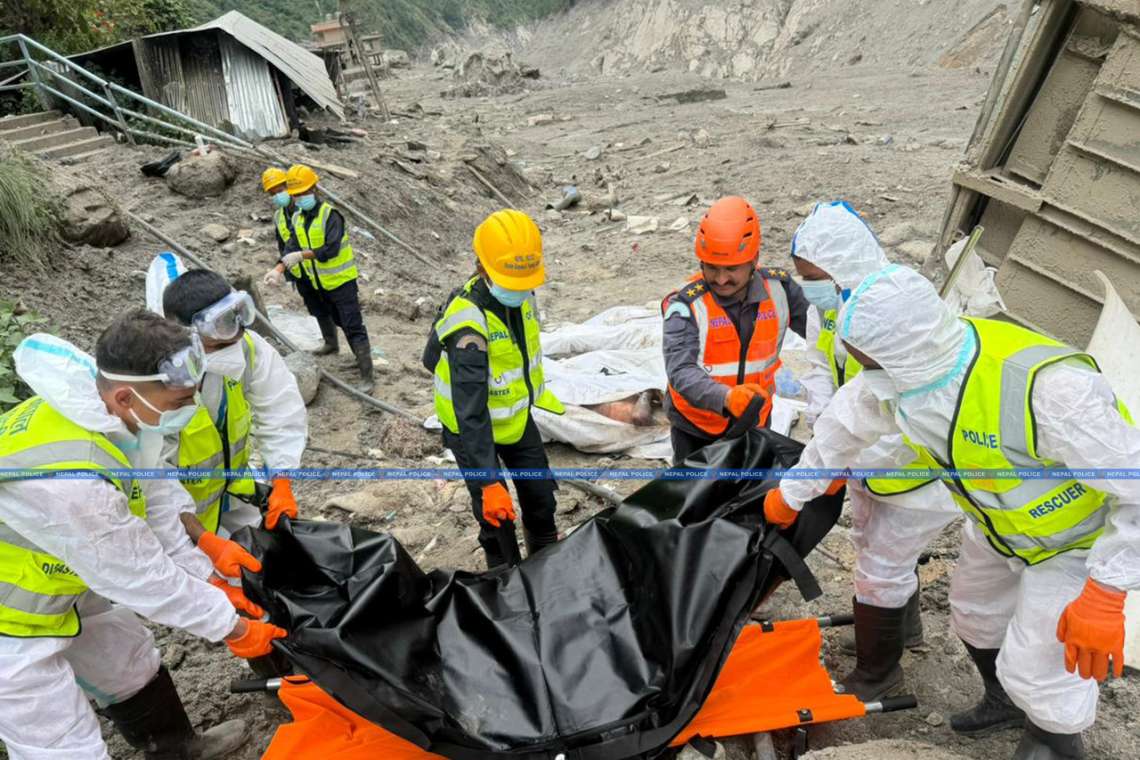
According to the National Disaster Risk Reduction and Management Authority, at least 1,114 bodies had been recovered by 9 am on Wednesday after last week’s catastrophic floods, while around 3,916 people remained unaccounted for.
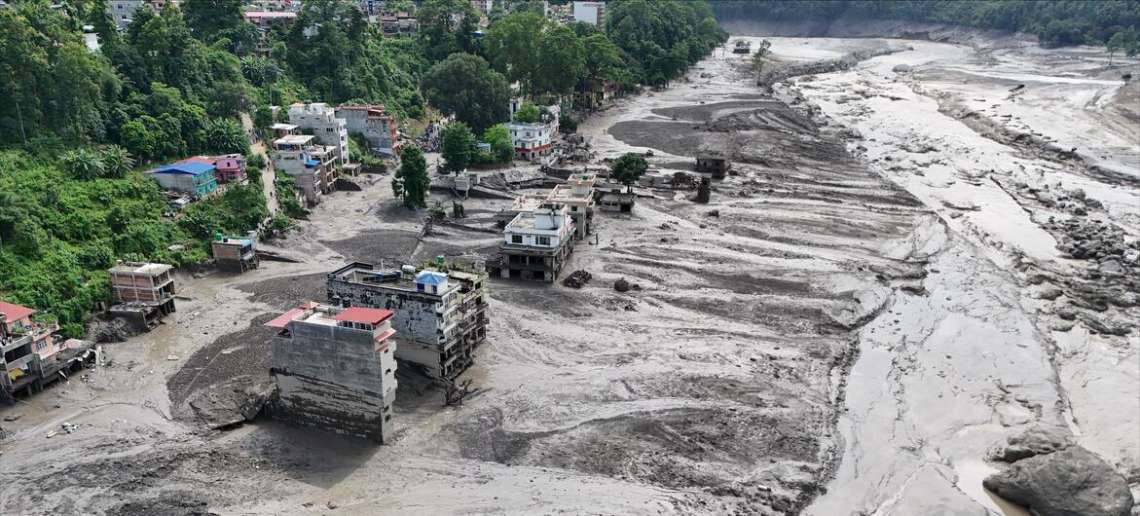
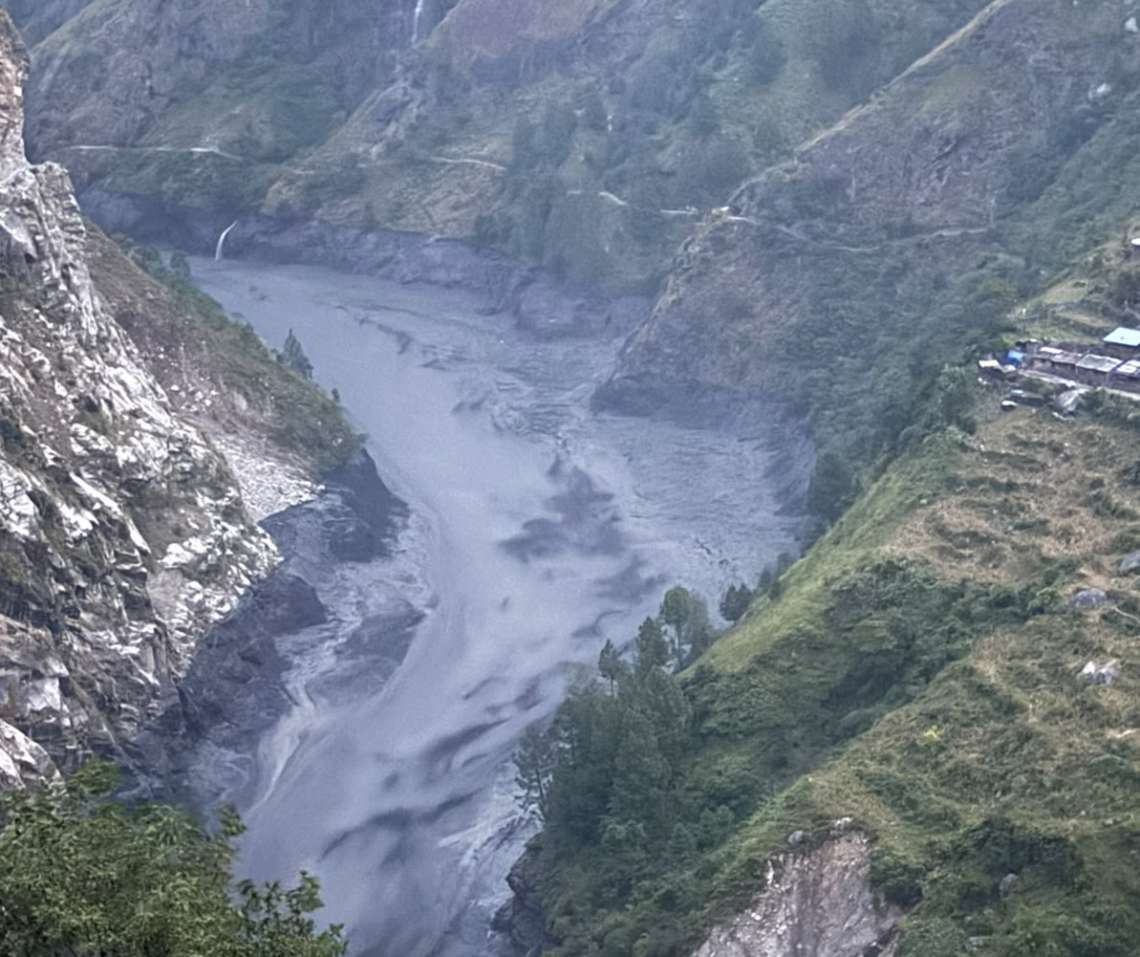
Experts believe an avalanche blocked the Lengde Khola, a tributary of the Bhotekoshi River near the Nepal-China border. Water accumulated behind the natural barrier before eventually bursting through, unleashing a massive flood downstream towards the Trishuli River and destroying settlements and critical infrastructure.

Shah said the disaster had raised serious questions about the growing vulnerability of Nepal and the wider Himalayan region.
“The huge disaster, whose impacts of climate change we have suddenly experienced, has kept us working around the clock to manage the damage,” he told Parliament. “At the same time, another profound question has arisen in our minds: How did this disaster come upon us?”
Citing expert assessments, the Prime Minister said the catastrophe should serve as a stark warning about the escalating risks linked to climate change in the Himalayas.
“We must make the international community aware of the disasters we are experiencing as a result of climate change,” Shah said, stressing that climate change was a global challenge requiring shared responsibility for mitigation and disaster management.
The Prime Minister also defended the government’s response amid criticism over whether timely warnings had been issued before the floods struck. He said security personnel were deployed as soon as authorities received information about the approaching flood, but some responders themselves went missing during the operation.
Shah also rejected suggestions that Nepal had been reluctant to accept international assistance, saying the government had coordinated with foreign countries from the outset and sought support where necessary.
He said neighbouring India and China had sent technical experts who began reconnaissance operations from the first days of the disaster. However, huge volumes of mud and debris initially made it impossible for rescue teams and helicopters to access the affected areas.
“This was an exceptional situation,” Shah said, explaining that unstable ground prevented the immediate deployment of excavators and forced rescue personnel to reach some locations on foot and by crawling through hazardous terrain.
Rescue operations intensified only after conditions improved sufficiently for heavy machinery and helicopters to operate, he added.
Shah thanked India, China, the United States, the United Kingdom, Australia, Japan, South Korea, the UAE, Qatar, Switzerland, Singapore, Pakistan, Sri Lanka and Bangladesh for supporting Nepal’s response. He also acknowledged assistance from the Asian Development Bank, World Bank, European Union and United Nations.
Several other countries and international organisations have pledged further support as Nepal continues search, rescue and relief operations following one of the country’s deadliest recent climate-related disasters.