A dissident faction of Nepal’s Nepali Congress has backed former Prime Minister Sher Bahadur Deuba to lead preparations for the party’s 15th General Convention…reports Asian Lite News Desk
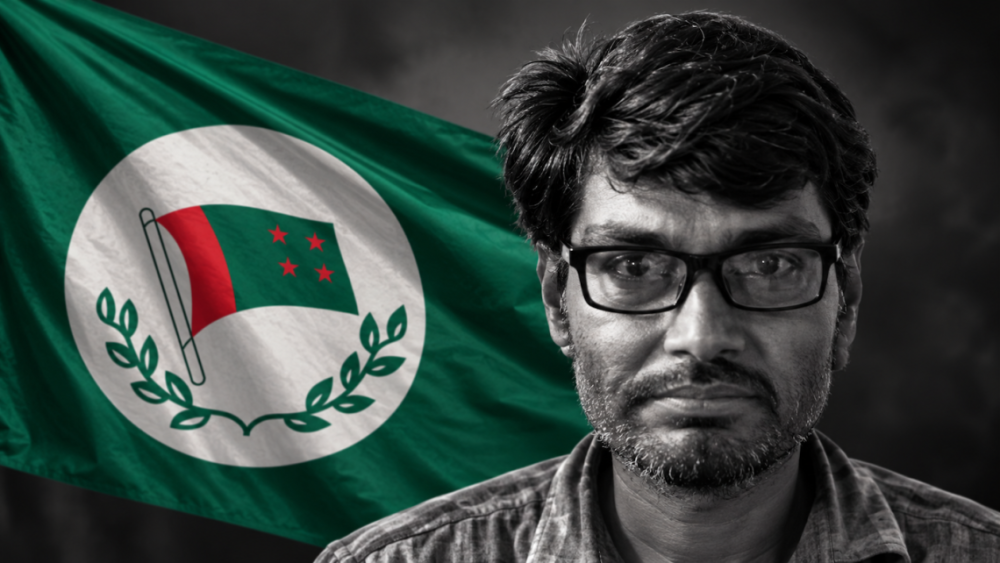
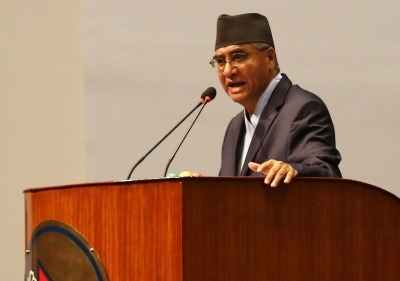
A deepening leadership dispute within Nepal’s Nepali Congress has raised the prospect of a formal party split after a dissident faction backed former Prime Minister Sher Bahadur Deuba to lead preparations for the party’s 15th General Convention.
The decision was taken at a three-day national gathering of the dissident faction held from August 14 to 16. The group also agreed that regular party activities would be coordinated under Deuba’s direction, with former party General Secretary Shashank Koirala appointed to oversee its future programmes.
The faction did not participate in the controversial Special General Convention held in January, which elected Gagan Thapa as president of the Nepali Congress, replacing Deuba.
The Special General Convention was organised against the wishes of the then-establishment faction led by Deuba and was viewed as a major leadership shake-up aimed at helping the party rebuild public support following the youth uprising in September last year.
However, the leadership change did not translate into electoral gains for the Nepali Congress. The relatively new Rastriya Swatantra Party (RSP) emerged as the dominant force in the March 5 elections, securing a nearly two-thirds majority.
Thapa’s leadership has since faced questions over the party’s poor electoral performance, adding to tensions between the rival factions.
Against this backdrop, the dissident group held its national gathering and decided to proceed with the 15th General Convention under Deuba’s leadership. Deuba, who had been abroad for five months, returned to Nepal last week and attended both the opening and closing sessions of the gathering.
The latest move follows a prolonged legal dispute over control of the Nepali Congress.
On April 17, a division bench of Nepal’s Supreme Court recognised the Thapa-led faction as the official Nepali Congress. The court also upheld the Election Commission’s recognition of the Thapa-led committee and validated decisions taken by it.
The Deuba faction subsequently sought a review of the ruling, arguing that the judgment contained legal flaws. The Supreme Court registered the review petition on July 22, reopening questions over the legal status of the Thapa-led leadership.
The latest decision by the dissident faction could further complicate the dispute and deepen the organisational divide within one of Nepal’s major political parties.
The gathering also called for dialogue with national and democratic forces, citing what it described as the difficult circumstances facing the country.
On constitutional reform, the faction said necessary amendments should be pursued in line with public expectations through dialogue with all relevant stakeholders and within the framework of the Constitution.
The group also adopted a position on Nepal’s religious and cultural identity. It called for the promotion of Sanatan Dharma as part of the country’s national identity while stressing the need to preserve religious tolerance, social harmony and freedom of religion.
It also said Nepal’s Hindu, Buddhist, Kirat and indigenous religious traditions should be protected.
The developments come at a challenging time for the Nepali Congress, which has struggled to recover from its poor electoral showing while facing an increasingly entrenched leadership dispute.
The decision to back Deuba for the next General Convention is likely to intensify the contest with the Thapa-led faction, with the outcome potentially determining the future organisational structure of the party.