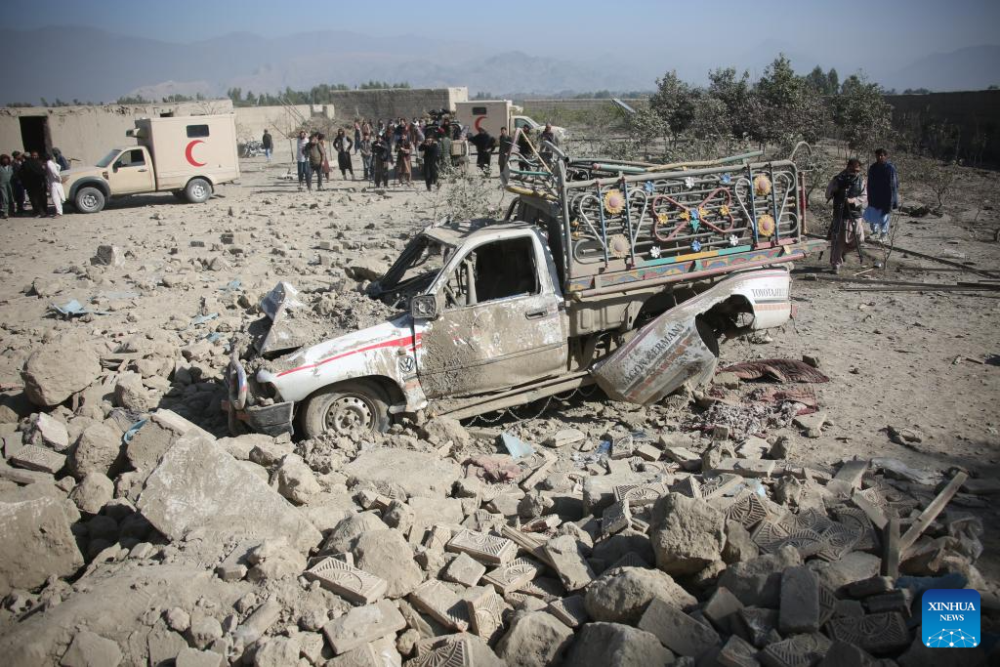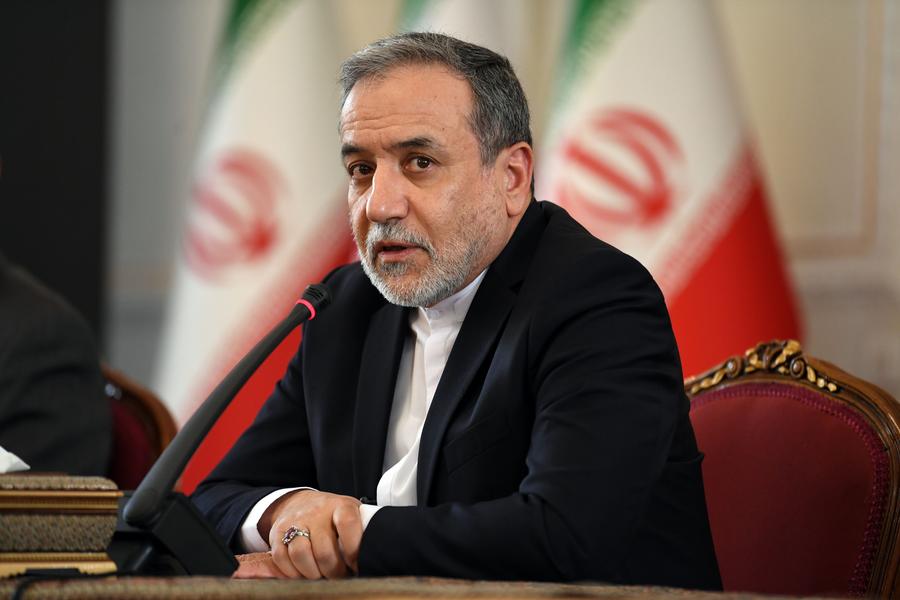
The development comes at a critical juncture, with international mediators pushing for renewed talks in Islamabad before the ceasefire expires on April 22….reports Asian Lite News
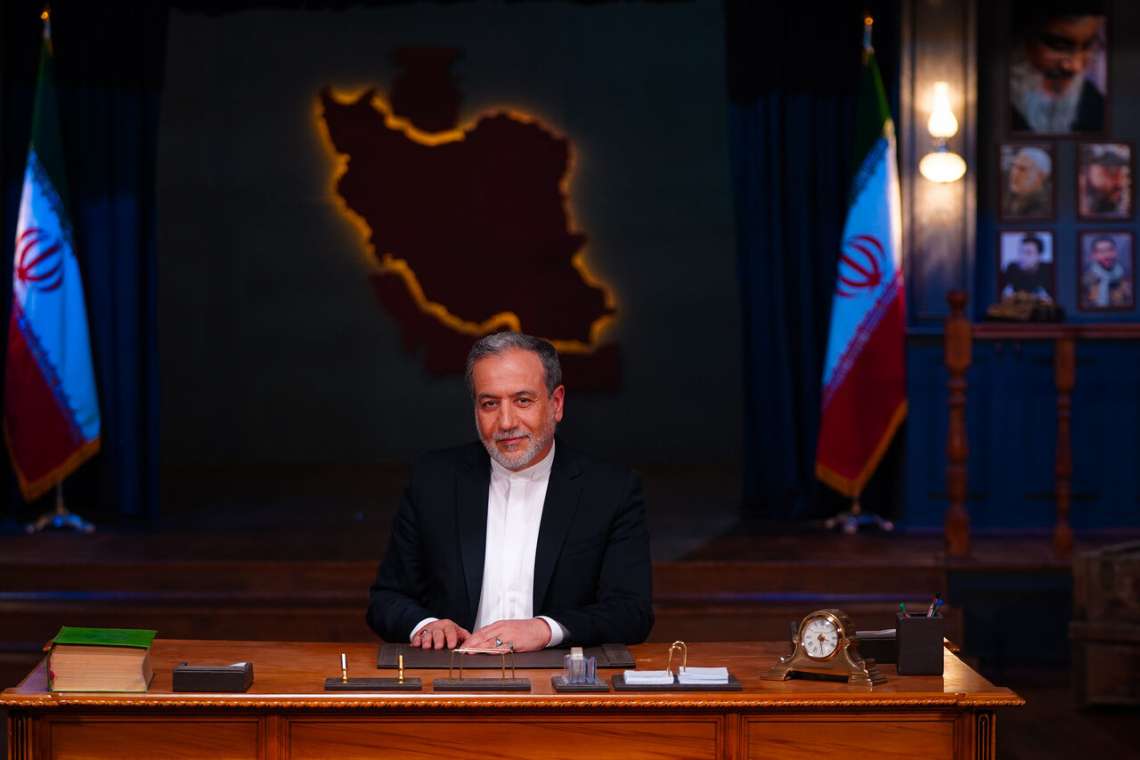
Iran signalled a pause in its diplomatic engagement with the United States on Monday, saying it has no immediate plans to resume negotiations, as hopes fade for a follow up round of talks ahead of a looming ceasefire deadline.
Foreign Ministry spokesperson Esmaeil Baqaei said Tehran currently sees no basis for another round of dialogue, pointing to a widening diplomatic deadlock. Officials indicated that the prevailing atmosphere is not conducive to meaningful negotiations.
The development comes at a critical juncture, with international mediators pushing for renewed talks in Islamabad before the ceasefire expires on April 22.
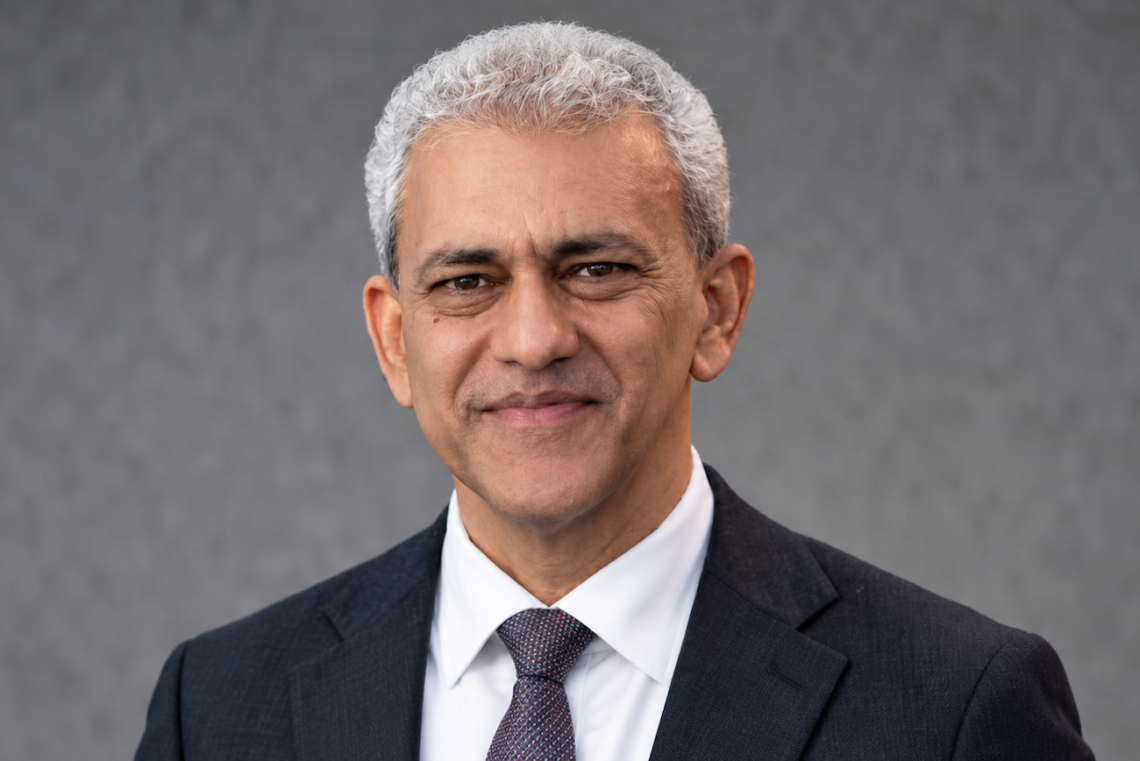
Taking a firmer stance, Ebrahim Azizi, head of Iran’s parliamentary National Security Committee, said Tehran’s approach to negotiations remains firmly rooted in national interest and security priorities. He stressed that Iran would only engage in talks that protect its strategic objectives.
In remarks to Al Jazeera, Azizi characterised the diplomatic track as closely linked to broader geopolitical tensions, describing negotiations as a continuation of the battlefield. He said talks would only be meaningful if they delivered tangible gains, warning that any attempt by Washington to impose excessive demands would be rejected.
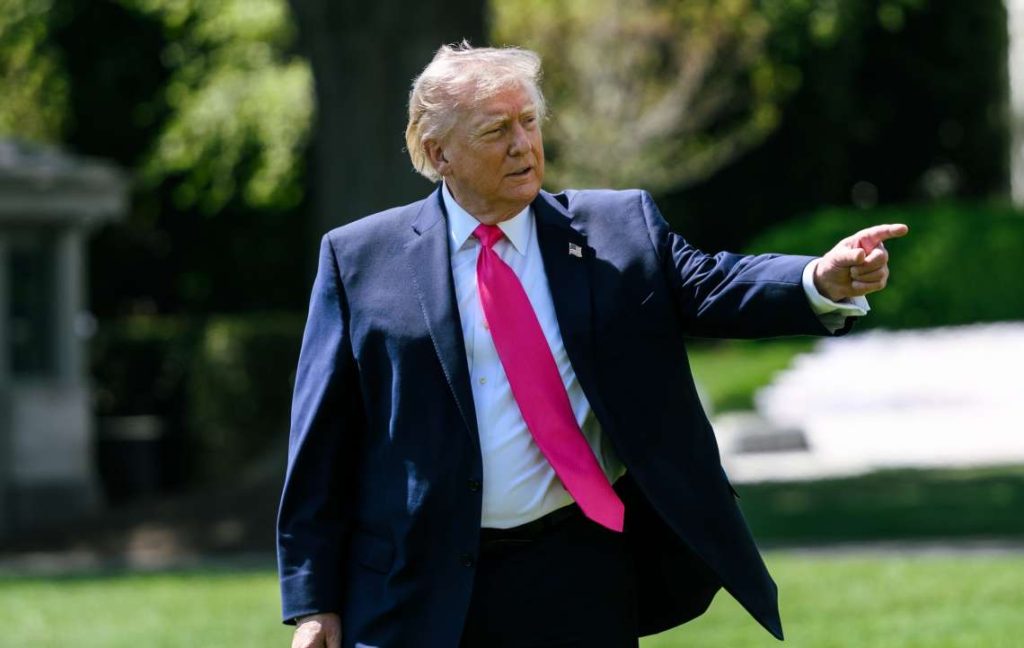
While leaving the door open to dialogue, Azizi made clear that engagement would not come at any cost. He said Iran has drawn clear red lines that must be respected, and that any decision to send a delegation for further talks, including those proposed in Islamabad, would depend on receiving constructive signals from the United States.
Among Tehran’s key conditions, he pointed to regional considerations, particularly developments involving Lebanon, as well as the release of frozen Iranian assets. He warned that any action seen as undermining allied forces in the region would be viewed as a rejection of Iran’s preconditions.
The previous round of negotiations ended in stalemate, with both sides divided over issues including control of the strategic Strait of Hormuz and Iran’s nuclear programme.
With the ceasefire set to lapse within days, the proposed Islamabad talks are being seen as a last diplomatic opening to avoid further escalation. However, Tehran’s refusal to negotiate under what it describes as coercive conditions has cast serious doubt over the prospects for a breakthrough.
The United States has maintained that a fair and reasonable deal remains on the table, but Iran’s latest position suggests that the path to de escalation is narrowing as the deadline approaches.No new US talks planned, Iran hardens stance