India has reiterated that the Indus Waters Treaty will remain in abeyance until Pakistan takes credible and irreversible action against cross border terrorism….reports Asian Lite News Desk
India on Friday reiterated that the Indus Waters Treaty (IWT) with Pakistan will remain in abeyance until Islamabad ends its support for cross border terrorism.
Addressing the weekly media briefing in New Delhi, Ministry of External Affairs spokesperson Randhir Jaiswal said the suspension of the 1960 water sharing agreement would continue in response to what India described as Pakistan’s sponsorship of terrorism across the border.
“The Indus Waters Treaty stands in abeyance in response to Pakistan’s sponsorship of cross border terrorism,” Jaiswal said.
He stressed that the treaty would not be restored unless there was a credible, irreversible and sustained end to Pakistan’s support for terrorist activities directed against India.
The treaty was placed in abeyance following the April 2025 terror attack in Pahalgam, Jammu and Kashmir, in which 26 people were killed. The attack was followed by India’s launch of Operation Sindoor in May 2025, targeting what New Delhi described as terrorist infrastructure across the border.
India has since linked the future of the treaty to broader security concerns, arguing that normal bilateral arrangements cannot continue in the face of continued cross border terrorism.
Jaiswal’s remarks came in response to recent criticism from Pakistan over India’s hydroelectric projects on the Chenab and Beas rivers.
The spokesperson also addressed questions regarding international reactions to India’s position and comments made by Turkey’s Foreign Minister.
He said India’s foreign policy decisions are guided by its own national interests and strategic priorities.
“All our international engagements have their own standing and importance,” Jaiswal said, underlining India’s policy of strategic autonomy.
The suspension of the treaty has had practical implications for water management and hydroelectric operations in the region.
One of the most visible examples is the Baglihar Dam in Jammu and Kashmir’s Ramban district, where authorities have continued to keep the dam’s gates closed as part of the broader policy framework adopted after the treaty was suspended.
The development reflects a shift in India’s approach to managing water resources and hydropower infrastructure following the decision to place the agreement on hold.
The Ministry of External Affairs also commented on an ongoing legal dispute related to the treaty.
India has rejected a ruling issued on May 15, 2026, by a Court of Arbitration dealing with issues related to maximum pondage and interpretation of the treaty.
New Delhi maintains that the court was “illegally constituted” and has said it never recognised its jurisdiction.
According to the government, all proceedings and decisions of the court are considered “null and void”.
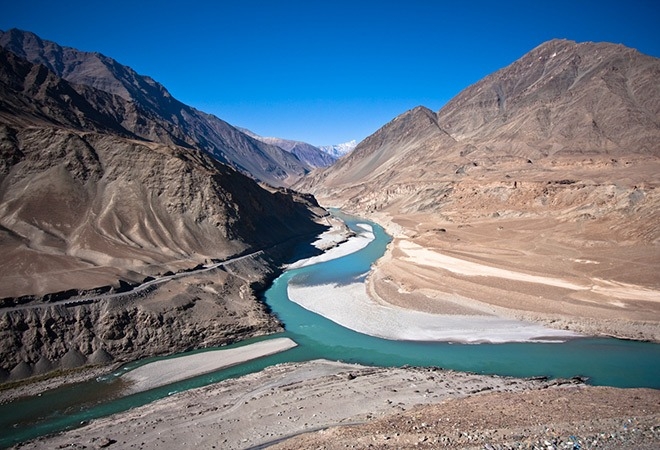
The Indus Waters Treaty, signed in 1960 with the mediation of the World Bank, has historically been regarded as one of the most enduring agreements between India and Pakistan, surviving multiple conflicts and periods of diplomatic tension.
However, as the treaty enters its second year in abeyance, India has increasingly linked issues of water cooperation and regional stability to concerns over terrorism and national security.
The latest remarks signal that New Delhi’s position remains unchanged and that any future revival of the treaty will depend on what it describes as meaningful action by Pakistan to end support for cross border terrorism.