Oil prices surged past $90 a barrel after escalating conflict involving Iran raised fears of prolonged disruption to global energy supplies and shipping through the vital Strait of Hormuz.
Global oil prices have surged sharply above the $90 per barrel mark as escalating conflict in West Asia raises fears of prolonged disruption to global energy supplies.
Crude markets rallied after comments from Donald Trump demanding what he described as “unconditional surrender” from Iran, a development that analysts say has deepened concerns about the conflict expanding and threatening one of the world’s most critical energy supply routes.
At the time of reporting, West Texas Intermediate crude oil futures were trading around $90.90 per barrel, representing a rise of more than 12 per cent. The surge marks the commodity’s largest weekly gain since April 2020, according to market reports.
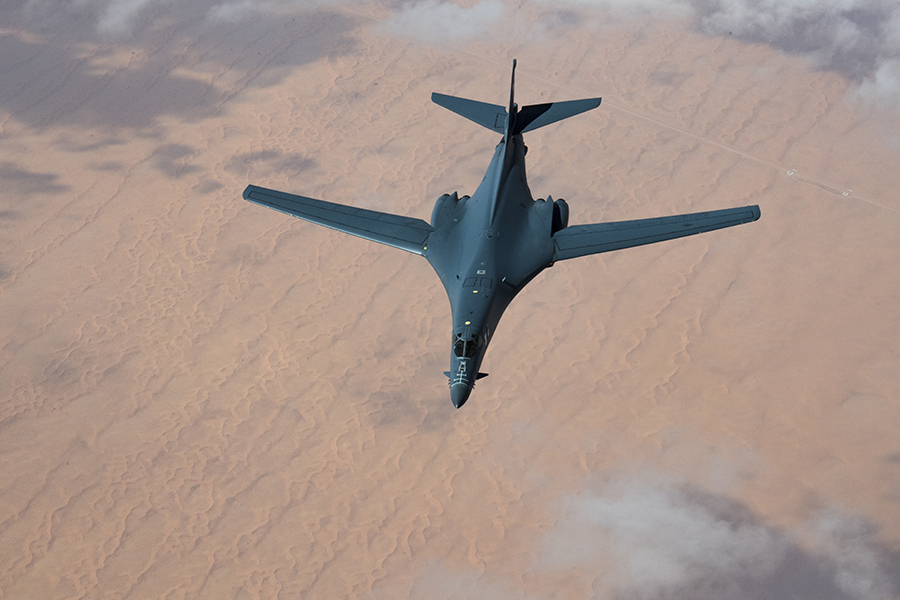
The sharp movement reflects growing anxiety in global markets that fighting between the United States, Israel and Iran could trigger long-lasting disruption across the region, which plays a central role in global oil production and transportation.
Energy analysts warn that any sustained instability in the region could significantly affect global supply chains, pushing prices higher and creating volatility for economies that rely heavily on imported crude.

Apurva Sheth, Head of Market Perspectives and Research at SAMCO Securities, said the current geopolitical environment suggests oil prices could remain elevated for some time.
He noted that the conflict has already unsettled energy markets and intensified concerns about the safety of shipping routes through the Strait of Hormuz, one of the most strategically important oil transit corridors in the world.
Approximately 20 per cent of global oil supply passes through the narrow waterway, which connects the Persian Gulf to international markets. Any disruption to shipping through this route can have immediate consequences for global energy prices.
Sheth said the geopolitical risk surrounding the Strait has made energy traders particularly sensitive to developments in the conflict.
The potential scale of disruption has also drawn attention from global energy research organisations.
Jim Burkhard, Global Head of Crude Oil Research at S&P Global, warned that the ongoing confrontation could lead to one of the most significant oil supply shocks in modern history if tanker traffic through the Strait of Hormuz slows dramatically or comes to a halt.
He noted that early stages of the conflict had largely avoided direct attacks on energy infrastructure, but the situation has changed in recent days.
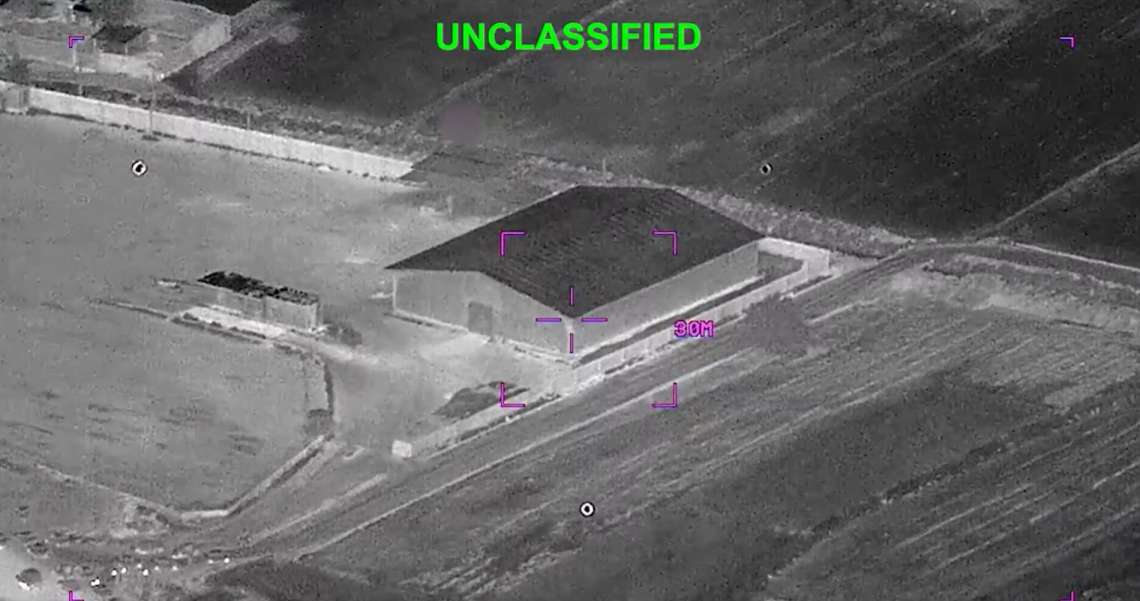
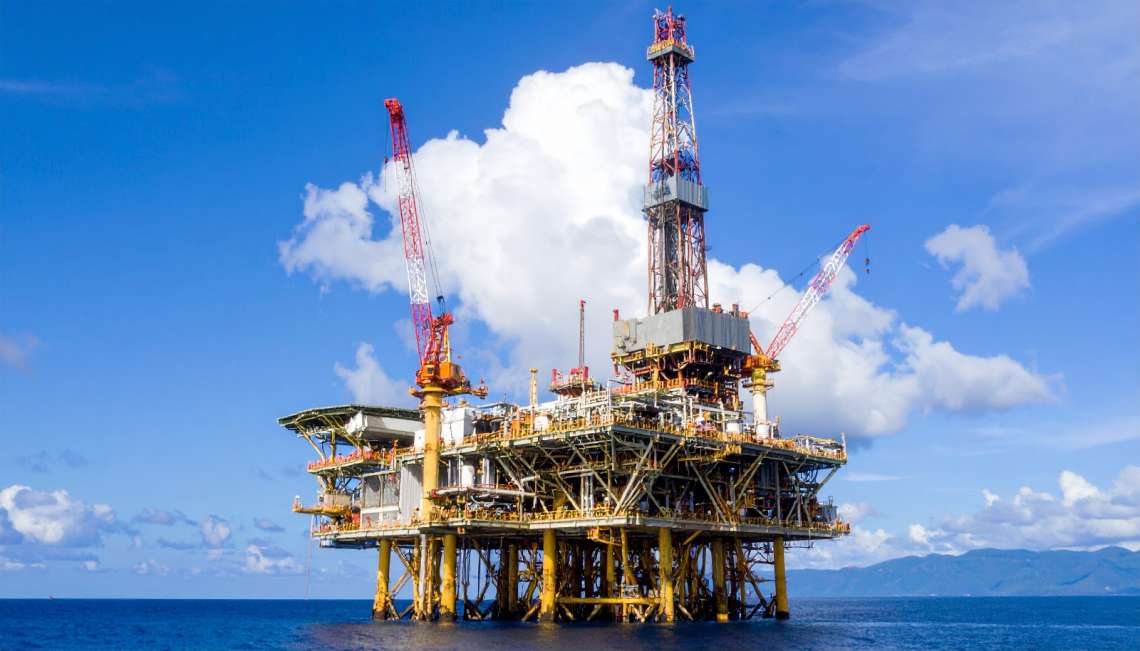
Iranian strikes targeting facilities in Saudi Arabia and Qatar have added a new dimension to the crisis, heightening fears that the energy sector itself could become a central target.
According to analysis from S&P Global Energy, tanker traffic through the Strait of Hormuz has already dropped significantly.
Data from S&P Global Energy Commodities at Sea shows that only five oil tankers passed through the Strait on March 1, compared with roughly 60 tankers per day in recent periods.
The sharp fall in shipping traffic has intensified concerns that supply flows could remain constrained if security risks in the Gulf continue to rise.
Such disruptions would not only affect global markets but could also have significant consequences for major energy importers including India, which relies heavily on crude oil shipments from the Gulf region.
Higher oil prices can quickly translate into rising fuel costs, inflationary pressure and broader economic challenges for energy-dependent economies.