OPEC+ has approved a further increase in crude oil production of around 188,000 barrels per day from September…reports Asian Lite News Desk
OPEC+ has approved a further increase in crude oil production of around 188,000 barrels per day from September, extending its phased reversal of production cuts introduced in 2023 as the group seeks to restore supply to global markets.
The decision was taken on Sunday by seven key OPEC+ producers: Saudi Arabia, Russia, Iraq, Kuwait, Kazakhstan, Algeria and Oman.
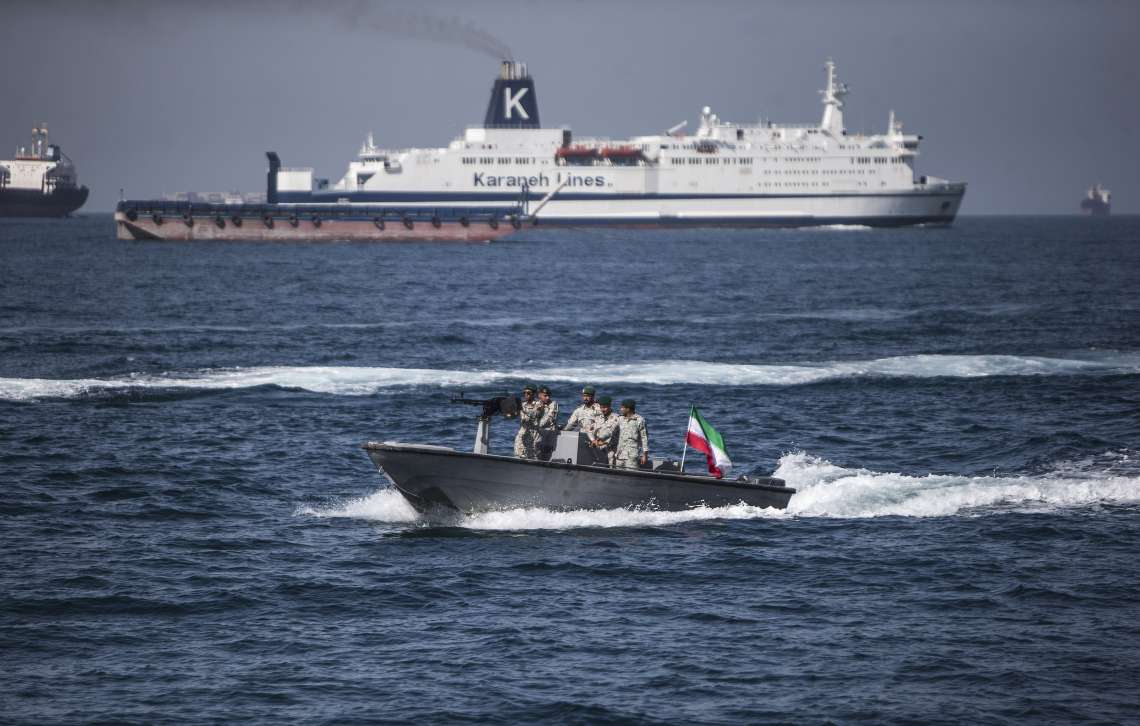
Despite the higher production quota, analysts said the move is unlikely to result in an immediate increase in global oil supplies as continuing conflict in the Middle East has disrupted exports through the Strait of Hormuz, a key shipping route that carries around 20 per cent of the world’s oil and gas exports.
As long as exports through the strategic waterway remain constrained, increased production quotas may not translate into additional crude reaching international markets.
The ability of some producers to raise output also remains limited. Russia, one of the group’s largest producers, is facing mounting pressure on its energy sector following repeated Ukrainian drone attacks targeting oil infrastructure deep inside Russian territory.
Russia’s current oil production is estimated at around 9 million barrels per day, below its OPEC+ target of approximately 9.8 million barrels per day, limiting its capacity to meet the higher quota.
The production increase also comes against the backdrop of changes within the OPEC+ alliance. The United Arab Emirates’ exit from the group in May has fuelled uncertainty over the long-term cohesion of the producer alliance after years of disagreements over production restrictions.
The departure has raised questions about whether other members will remain committed to coordinated output limits as market conditions evolve.
Market analysts expect OPEC+ to adopt a more cautious approach after implementing the September increase.
Rystad Energy has forecast that the group will likely maintain production at steady levels during the fourth quarter before beginning discussions on production quotas for 2027. The pause would allow producers to assess the impact of restored exports, global demand trends and oil prices before deciding on any further increases.
OPEC+ has been gradually unwinding production cuts introduced between late 2022 and 2023, when the alliance reduced combined output by nearly 6 million barrels per day to support prices amid weakening demand and economic uncertainty.
Since 2025, the group has approved several incremental production increases as it seeks to return those barrels to the market in a controlled manner.
The latest decision comes as geopolitical tensions continue to influence oil markets.
US President Donald Trump said on Sunday that he had cancelled planned military strikes against Iran, provided a deal with Tehran could be reached “rapidly”. In a post on Truth Social, Trump said Iran and several Middle Eastern countries had urged Washington to delay military action because “the perimeters of a deal had been agreed”.
His comments followed reports that the United States and Israel were considering intensifying military action against Iran.
However, Iran’s Mehr news agency rejected Trump’s claim that Tehran had requested a delay in military action, describing the assertion as “nothing but a new lie”.